

How to Define Curls: 4 Techniques for Frizz-Free Results
Your curls look fluffy and undefined after every wash. You spend time applying products, scrunching carefully, and waiting for them to dry, but the frizz takes over every time. Defining curls isn't about having the perfect curl pattern or spending hours on your routine. It's about learning how to define curls with simple techniques that actually work for your hair texture and lifestyle.
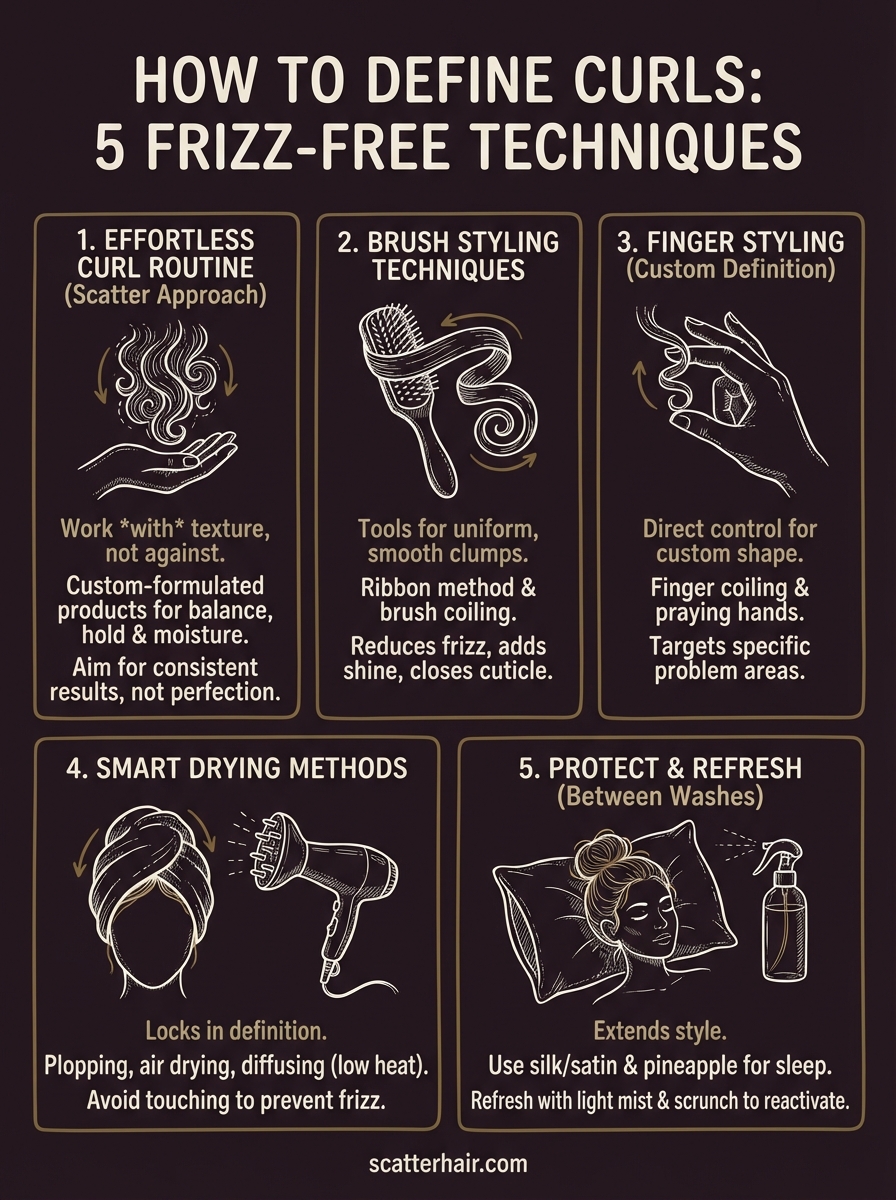
This guide covers 4 proven methods to get frizz-free, defined curls that last. You'll learn brush styling techniques like the ribbon method and brush coiling, finger styling approaches for custom definition, smart drying methods that lock in curl clumps, and practical ways to refresh curls between washes. Each technique includes clear step-by-step instructions, product suggestions, and tips tailored to different curl types. Pick one method or combine several to build your own effortless curl routine.
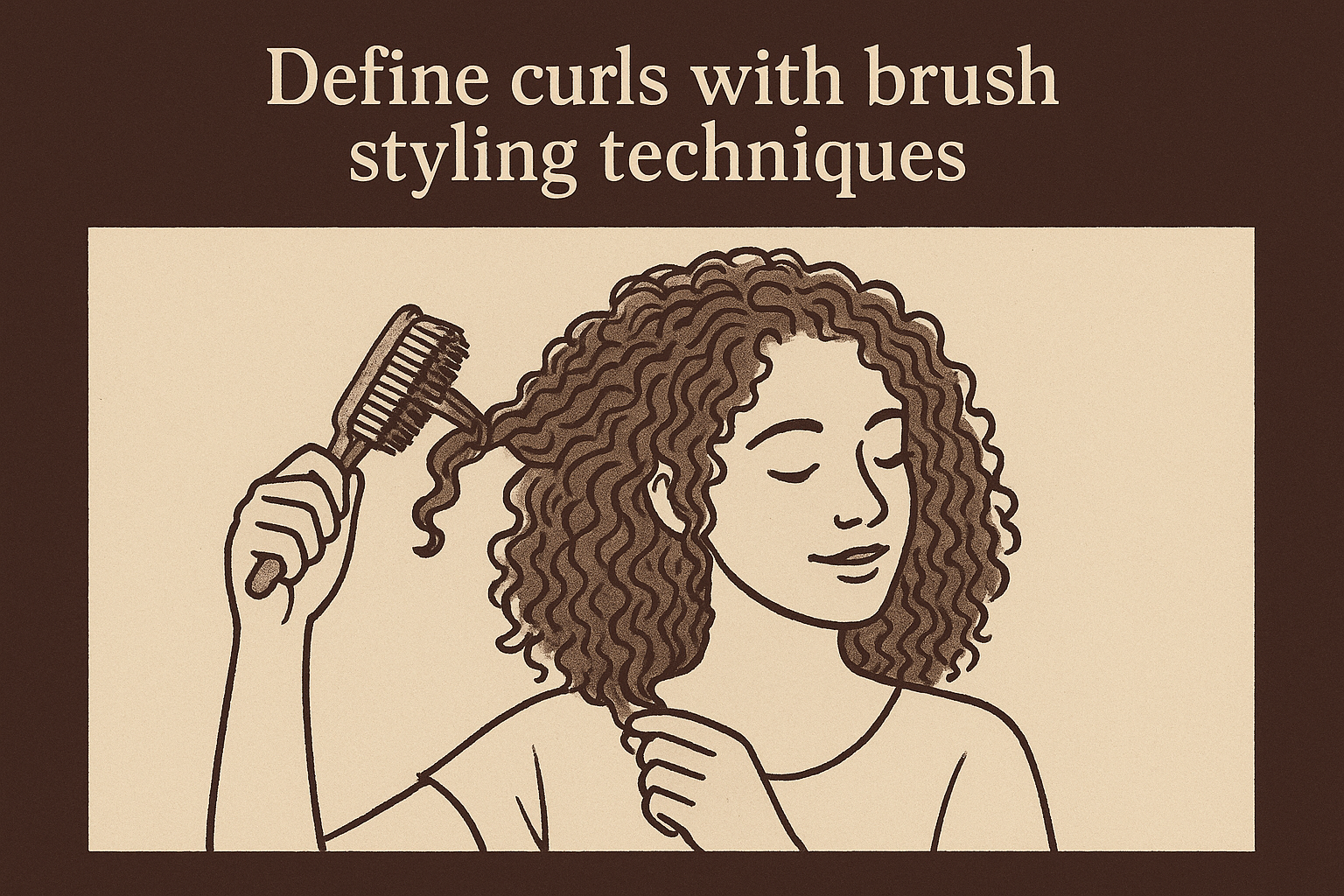
1. Define curls with brush styling techniques
Brush styling gives you control over how your curls form by using tools to smooth each section before it dries. The ribbon method, brush coiling, and rake-and-shake all fall under this category. These techniques work well when you want uniform curl clumps without spending time on each individual ringlet.
Why this defines curls and fights frizz
Brushes distribute product evenly through your hair while creating smooth curl clumps from root to tip. The tension from brushing closes your hair cuticle, which reduces frizz and adds shine. You get consistent definition because the brush shapes each section the same way.
Step by step how to do it
Start with wet, product-coated hair divided into small sections. For the ribbon method, hold a section taut and brush downward while wrapping the hair around your brush. Release and let it spring up. For brush coiling, twist small sections around a Denman brush as you glide down the hair shaft.
Best curl types and hair needs
Wavy to curly hair (types 2B through 3C) responds best to brush techniques. Your hair needs enough natural curl to spring back after brushing. Coarser textures benefit most because the smoothing action tames bulk while defining.
Product suggestions and technique combos
Use a strong-hold gel or curl cream before brushing. Layer a lightweight leave-in conditioner underneath for slip. Combine the ribbon method with diffusing for faster results.
Common mistakes and how to fix them
Brushing sections that are too large creates undefined curls. Work with half-inch sections instead. Applying too much tension while brushing can stretch your curl pattern, so use gentle pressure and let the brush guide the hair.
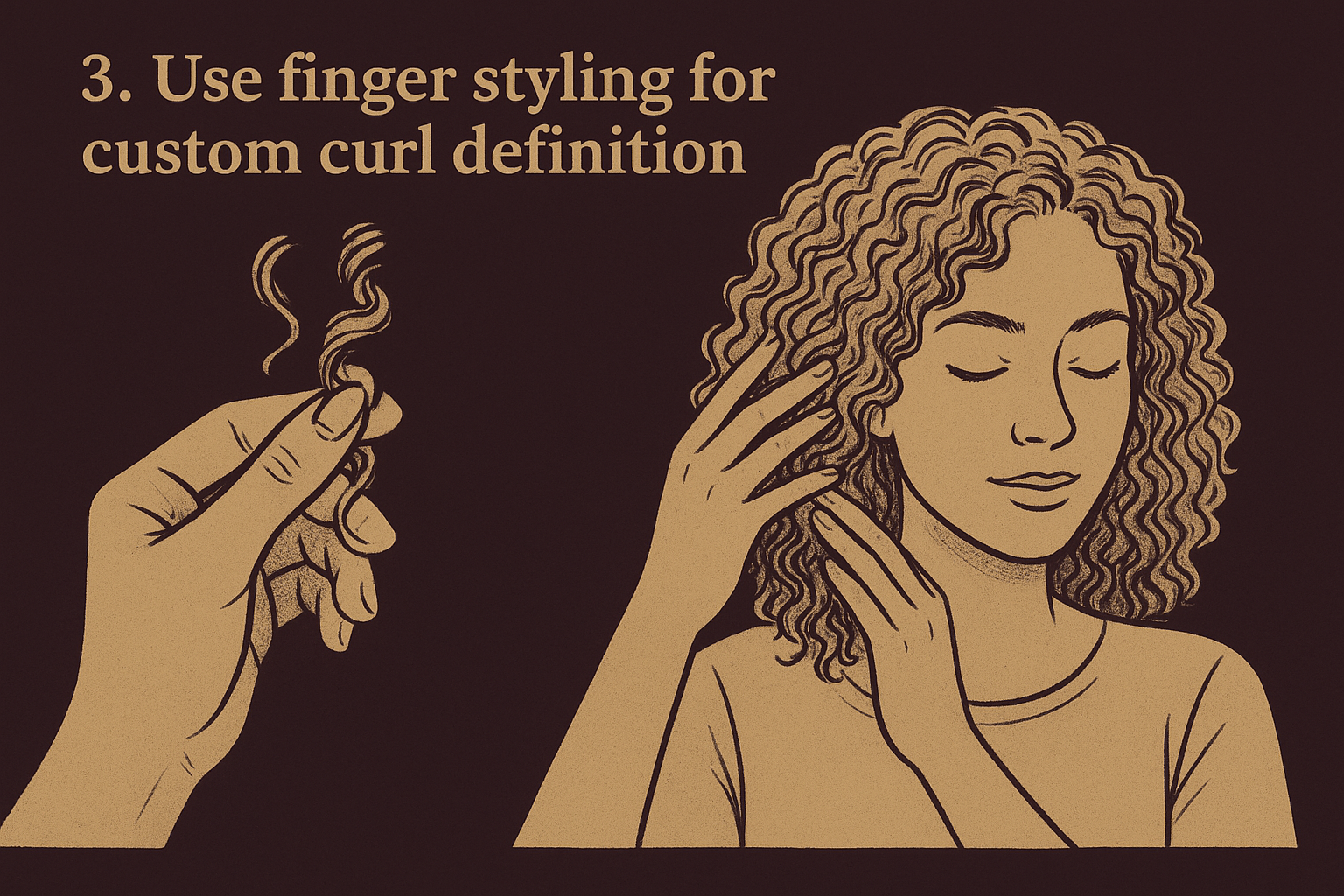
2. Use finger styling for custom curl definition
Finger styling puts you in direct control of each curl's shape. Techniques like finger coiling, shingling, and praying hands let you work with individual sections or curls to create the exact definition you want. This hands-on approach works best when you need to fix specific areas or want maximum curl separation.
Why this defines curls and fights frizz
Your fingers feel where frizz starts and can smooth it immediately. Finger coiling wraps each curl around your finger to create uniform spirals, while the praying hands method smooths product down the hair shaft to seal the cuticle. You target problem areas instead of treating your whole head the same way.
Custom definition means spending time where your curls need it most, not everywhere equally.
Step by step how to do it
Section your damp hair into workable pieces. Apply product to one section, then wrap small pieces around your finger from root to tip for finger coiling. Alternatively, sandwich hair between your palms and smooth downward for the praying hands method. Repeat on sections that need extra definition.
Best curl types and hair needs
Curly to coily hair (types 3A through 4C) benefits most from finger styling. Your hair needs enough length to wrap around your finger. Tighter curl patterns see dramatic improvement because this method creates consistent curl shape throughout.
Product suggestions and technique combos
Layer a curl cream with a strong-hold gel for lasting definition. Try finger coiling your front hairline while using the rake-and-shake method on the rest for faster styling.
Common mistakes and how to fix them
Applying too much product creates buildup. Use small amounts per section and add more only if needed. Wrapping curls too tightly around your finger stretches them, so maintain gentle tension while coiling.
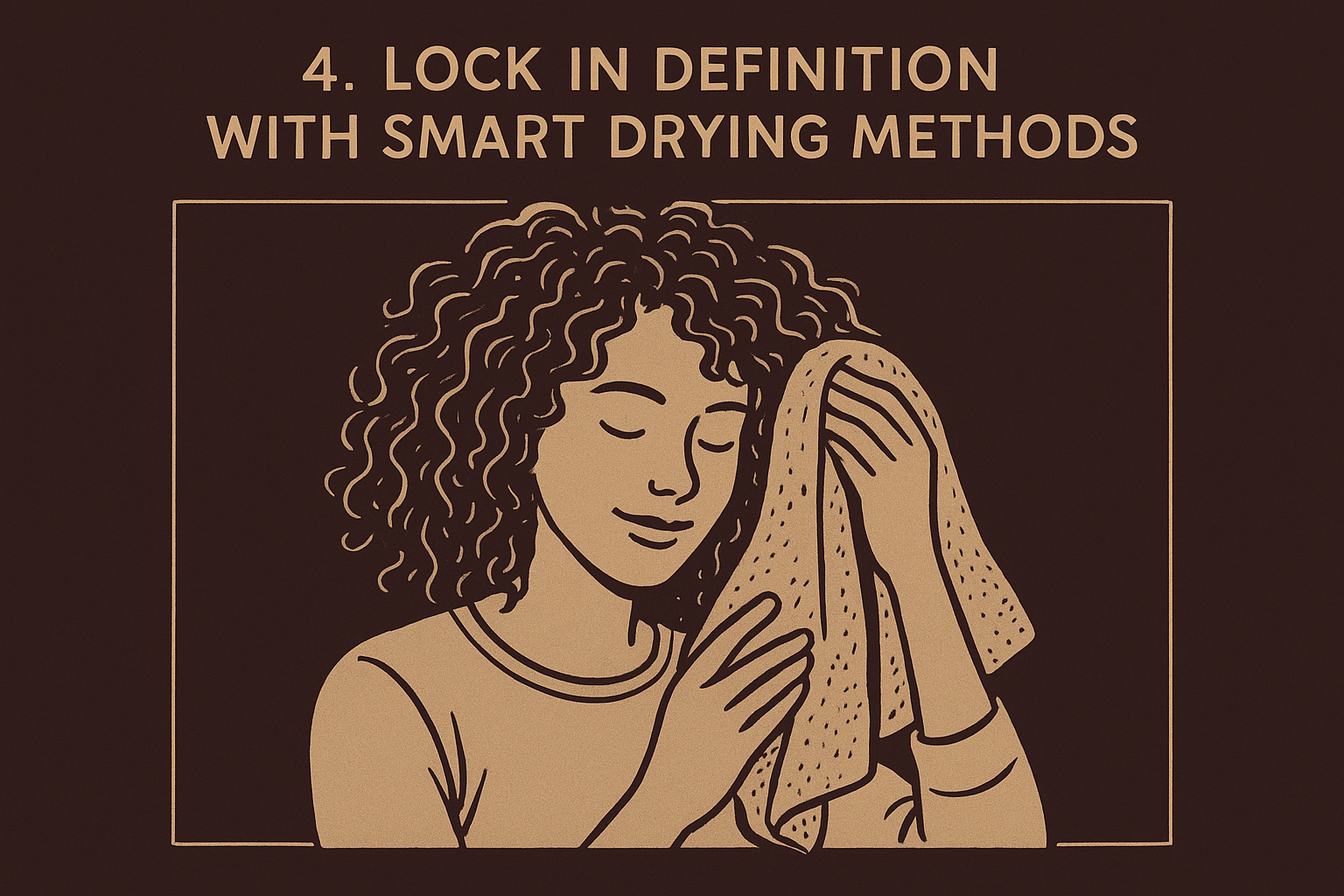
3. Lock in definition with smart drying methods
Drying method determines whether your curl definition survives or falls apart. The way you remove moisture affects frizz levels, curl clumps, and how long your style lasts. Air drying, diffusing, and plopping each create different results based on your hair's porosity and curl pattern.
Why this defines curls and fights frizz
Heat and friction break up carefully formed curl clumps. Air drying keeps curls intact but takes longer, while diffusing speeds up the process without disturbing your curl pattern. Plopping removes excess water without rubbing, which preserves the curl formation you created during styling.
The right drying method protects definition instead of working against it.
Step by step how to do it
After applying your styling products, squeeze excess water with a microfiber towel or cotton t-shirt. For plopping, lay your hair in the center of the towel, then wrap it up for 10 to 20 minutes. Air dry completely or diffuse on low heat with the diffuser held close to your roots without touching.
Best curl types and hair needs
All curl types benefit from smart drying, but wavy hair (2A to 2C) needs more support during drying to maintain pattern. Coily textures (4A to 4C) require longer drying times and should avoid high heat.
Product suggestions and technique combos
Apply a curl-enhancing gel before drying to lock in definition. Combine plopping with diffusing for faster results on thick hair.
Common mistakes and how to fix them
Touching your hair while damp creates frizz. Keep your hands away until completely dry. Using high heat stretches curls and adds frizz, so stick with cool or low settings throughout.
4. Protect and refresh curls between wash days
Curl definition fades naturally as days pass after washing. Your sleeping position, fabric friction, and daily activities disturb curl clumps and create frizz. Protecting and refreshing between washes extends your style without starting over, keeping your curls defined for three to five days instead of just one.
Why this defines curls and fights frizz
Protective techniques prevent friction that breaks up curl patterns overnight. Using a silk or satin pillowcase reduces rubbing that causes frizz while you sleep. Refreshing sprays add moisture back to dried-out curls and reactivate your original styling products, which helps maintain curl clumps without rewetting your entire head.
Step by step how to do it
Gather your hair into a loose pineapple on top of your head before bed using a silk scrunchie. Sleep on a satin pillowcase to minimize friction. In the morning, mist sections lightly with water or refresh spray, then scrunch gently to reactivate curl definition.
Protecting curls while you sleep preserves definition better than any morning refresh technique alone.
Best curl types and hair needs
All curl patterns benefit from protective sleeping methods. Looser waves (2A to 2C) may need more frequent refreshing because they lose shape faster than tighter curls.
Product suggestions and technique combos
Mix water with a small amount of leave-in conditioner in a spray bottle for DIY refresh spray. Layer a curl cream over damp sections that need extra definition after misting.
Common mistakes and how to fix them
Spraying too much water creates frizz. Use light misting only on sections that lost definition, not your entire head.
Love your defined curls
Learning how to define curls comes down to finding techniques that work with your texture instead of against it. You tried brush styling for uniform clumps, finger styling for custom control, and smart drying methods that lock everything in place. Protecting your curls between washes keeps definition lasting longer without constant restyling.
Your routine should make styling effortless, not exhausting. Start with one technique from this guide and build from there. Your curls already have the definition you want, you just need the right method to bring it out.
Scatter's first product is Slip, a 2% hyaluronic acid hair serum. Work it through wet-to-damp hair, then air dry for texture or blow dry for body. It's on pre-order now.