

How to Remove Scalp Buildup: 7 Expert-Approved Ways at Home
How to Remove Scalp Buildup: 7 Expert-Approved Ways at Home
You just washed your hair yesterday but it already feels greasy. Your scalp itches. Your curls look dull and weighed down no matter what products you use. That flaky residue keeps appearing at your roots. Sound familiar? You might be dealing with scalp buildup. This happens when oils, dead skin cells, styling products, and environmental gunk accumulate on your scalp over time. Left unchecked, it can block your hair follicles, make your scalp uncomfortable, and stop your favorite products from actually working.
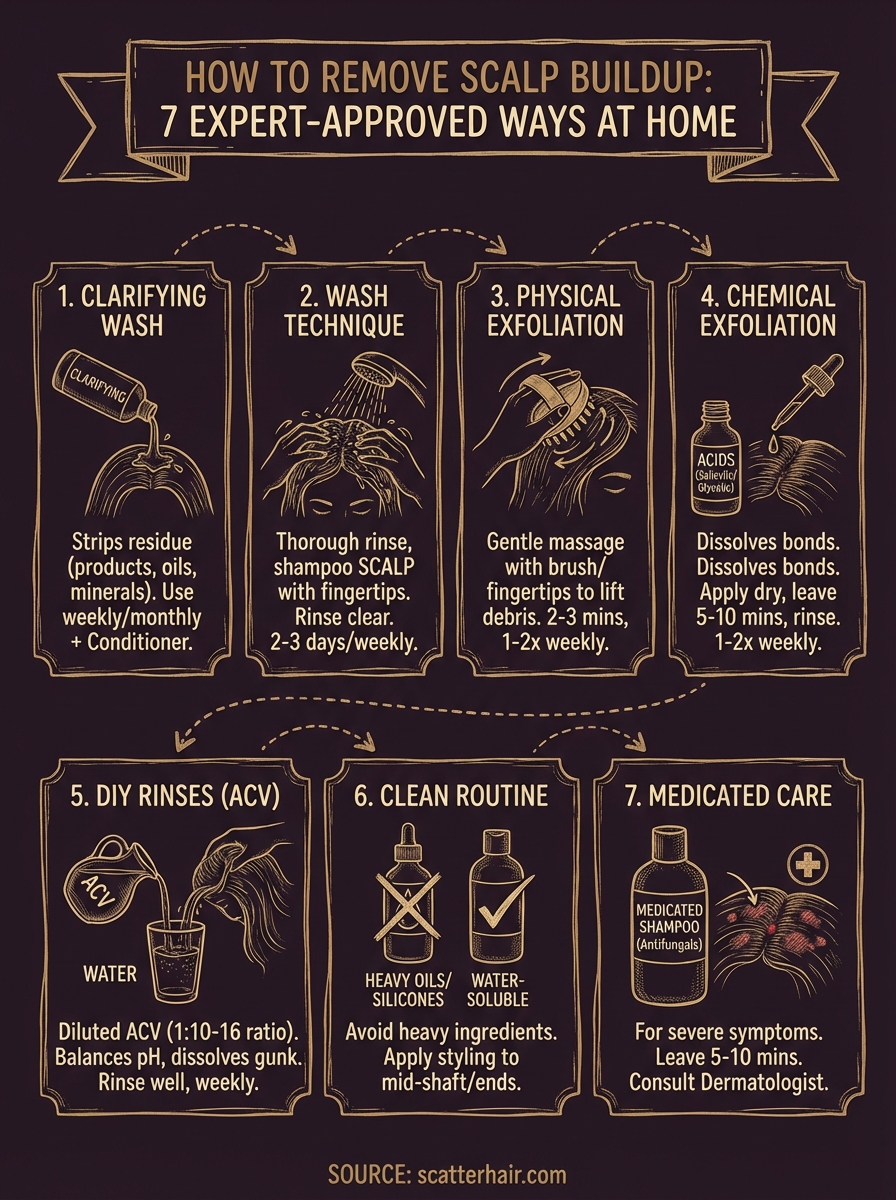
The good news is you can fix this at home without spending a fortune on salon treatments or fancy gadgets. This guide walks you through seven practical methods to remove scalp buildup and keep it from coming back. We cover everything from clarifying washes and exfoliation techniques to simple DIY rinses and routine adjustments that actually make a difference. Each method includes clear instructions on how it works, who benefits most, and how often to use it. By the end, you will know exactly which approaches fit your hair type and lifestyle so you can get back to healthy, clean hair that feels fresh.
1. Reset your scalp with a clarifying wash
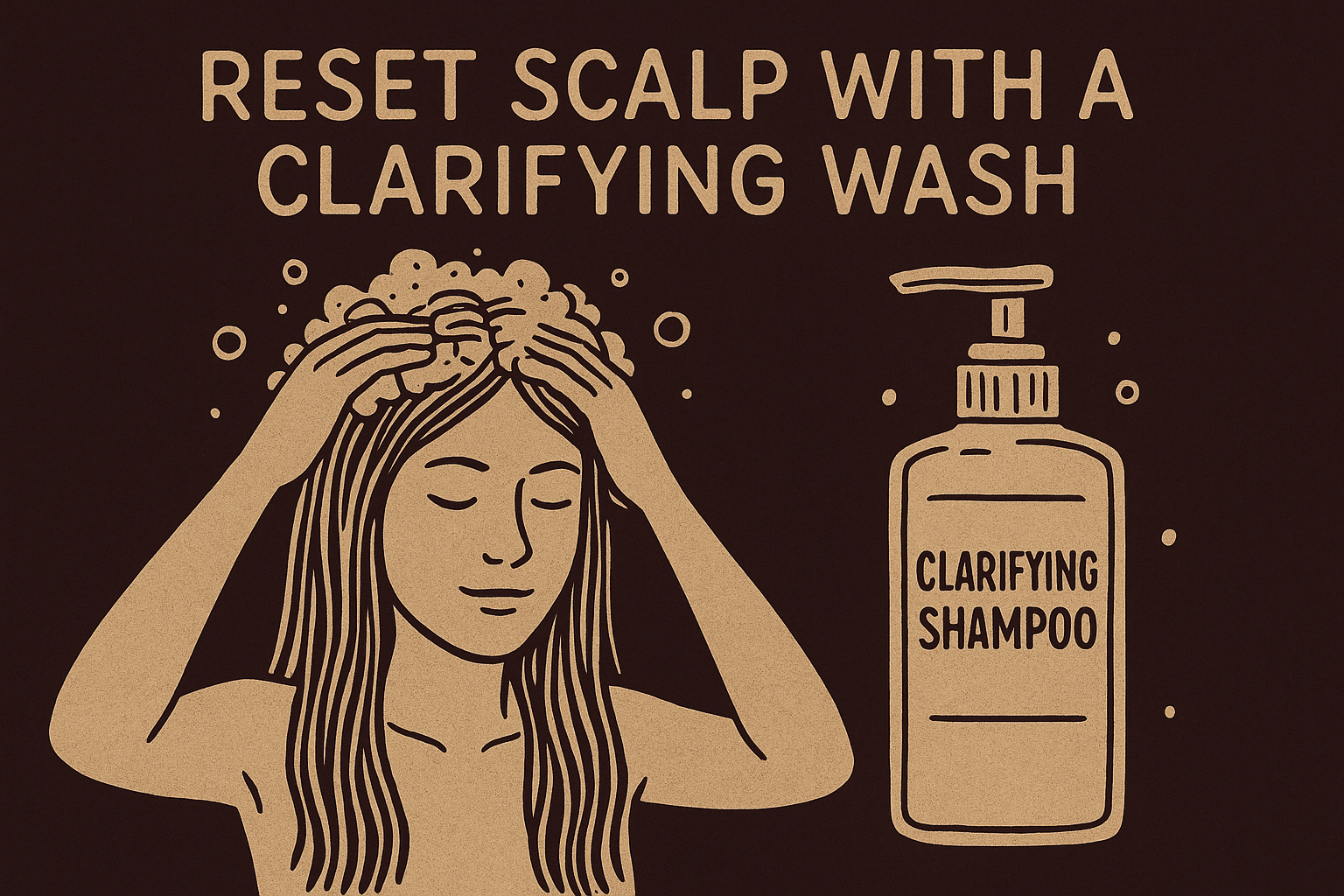
A clarifying wash strips away the layers of buildup that regular shampoo leaves behind. This deep cleaning method targets product residue, excess oils, mineral deposits from hard water, and environmental pollutants that coat your scalp and hair over time. Unlike your everyday shampoo that might contain moisturizing agents or silicones, a clarifying formula uses stronger surfactants to break down stubborn buildup without harsh sulfates that damage your hair.
How this method works
Clarifying shampoos contain ingredients like chelating agents and mild acids that dissolve the bonds holding buildup to your scalp. You apply the product to wet hair, focusing on your scalp and roots where buildup accumulates most. Massage it thoroughly for two to three minutes to let the formula penetrate and lift away residue. The process reveals cleaner follicles and allows your regular products to actually reach your hair strands instead of sitting on top of gunk.
Who should use this
This method works best if you use styling products regularly, live in an area with hard water, or notice your hair feels heavy even after washing. People with fine or oily hair benefit from clarifying washes more frequently. You should avoid this method if you have color-treated hair that fades easily or very dry, brittle strands that need maximum moisture retention.
Clarifying removes the barrier between your products and your scalp, letting treatments work the way they should.
How often and key tips
Use a clarifying wash once weekly if you have product-heavy routines or oily scalps. For drier hair types, limit it to once or twice monthly. Always follow with a hydrating conditioner since clarifying can temporarily dry your strands. Skip clarifying the day before chemical treatments like coloring or relaxing.
2. Fix your wash schedule and technique
Your washing habits directly impact how to remove scalp buildup and prevent it from returning. Many people either wash too frequently, stripping their scalp of natural oils and triggering excess oil production, or wait too long between washes, allowing buildup to accumulate. The right balance depends on your hair type, scalp condition, and lifestyle factors like exercise frequency and product use. Beyond timing, the actual technique you use matters just as much as how often you wash.
How this method works
You need to wash your hair thoroughly enough to remove oil, sweat, and product residue without damaging your scalp's natural protective barrier. Start by completely saturating your hair with warm water before applying any shampoo, since water alone loosens initial debris. Apply shampoo directly to your scalp rather than your lengths, using your fingertips to massage in circular motions for at least two minutes. This mechanical action combined with proper water temperature helps lift buildup from your follicles. Rinse until the water runs completely clear, which takes longer than most people realize.
The difference between clean hair and truly clean hair often comes down to an extra minute of rinsing.
Who should use this
Anyone dealing with buildup benefits from fixing their wash routine, but this approach proves especially critical for people with textured or curly hair who tend to wash less frequently. Those who exercise daily or live in humid climates need more frequent washing to manage sweat and environmental residue. You should reassess your schedule if you notice greasiness, itching, or product not absorbing properly.
How often and key tips
Wash your hair every two to three days if you have normal to oily scalps, or once weekly for very dry or coily hair types. Always use your finger pads instead of nails to avoid damaging your scalp. Focus shampoo on your scalp only and let the suds clean your lengths as you rinse. Double-shampooing removes more buildup than a single wash when you have heavy product use.
3. Physically exfoliate with brushes or massage
Physical exfoliation manually removes dead skin cells, product residue, and flakes from your scalp surface. This hands-on approach to how to remove scalp buildup gives you immediate control over problem areas and increases blood circulation to your hair follicles. You use gentle mechanical action rather than chemical ingredients, making this method accessible with tools you likely already own or can pick up for under ten dollars.
How this method works
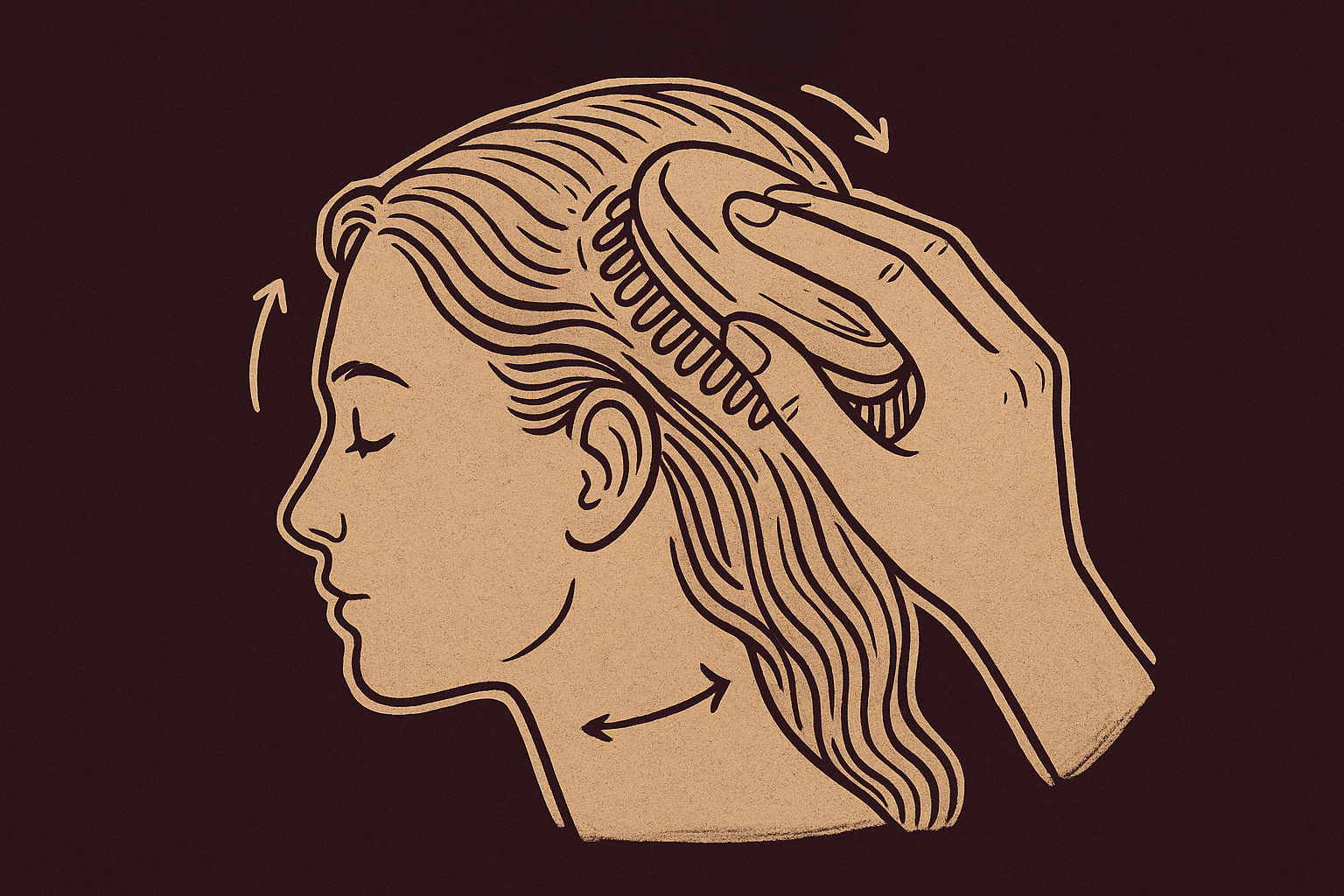
You apply pressure and movement to your scalp using either your fingertips, a silicone scalp brush, or a soft-bristled brush while shampooing. The physical friction loosens and lifts away buildup that water and shampoo alone miss. Massage your scalp in small circular motions, working from your hairline back toward your crown, then down the sides. Spend two to three minutes on this process to effectively dislodge debris without causing irritation. The combination of pressure, movement, and shampoo creates the perfect environment for buildup removal.
Who should use this
This method suits anyone dealing with visible flakes, oily roots, or product heaviness. People with textured or thick hair benefit most since buildup hides more easily in denser strands. Avoid aggressive scrubbing if you have sensitive skin conditions like psoriasis or open sores on your scalp.
Gentle, consistent pressure works better than harsh scrubbing that damages your scalp barrier.
How often and key tips
Physically exfoliate your scalp once or twice weekly during your regular wash routine. Use your finger pads instead of nails to prevent scratching and inflammation. Keep your movements gentle and systematic rather than random. Rinse your scalp brush after each use to prevent bacteria buildup on the tool itself.
4. Try gentle chemical scalp exfoliants
Chemical exfoliation uses active ingredients like salicylic acid, glycolic acid, or lactic acid to dissolve the bonds that hold dead skin cells and buildup to your scalp. This approach to how to remove scalp buildup penetrates deeper than physical scrubbing alone, breaking down debris at a cellular level without requiring manual friction. Chemical exfoliants prove particularly effective for stubborn buildup that regular washing cannot budge, targeting both surface residue and clogged follicles simultaneously.
How this method works
These acids work by loosening the connections between dead skin cells on your scalp surface, allowing them to shed naturally instead of clumping together into visible flakes or oily patches. Salicylic acid cuts through oil and penetrates your pores to clear blockages, while glycolic acid dissolves the uppermost layer of buildup and stimulates cell turnover. You apply these products directly to your scalp, either as a pre-shampoo treatment, a spray, or a leave-in formula depending on the concentration. The acids need time to work, usually five to ten minutes, before you rinse or move to the next step in your routine.
Chemical exfoliants reach buildup that physical methods cannot touch, making them essential for persistent problems.
Who should use this
This method suits you if physical exfoliation causes irritation or you deal with oily scalp conditions and persistent flaking. People with fine hair benefit since chemical exfoliants add no weight or residue. Skip this approach if you have very sensitive skin, active wounds, or use prescription retinoids that already increase skin sensitivity.
How often and key tips
Use chemical exfoliants once or twice weekly to prevent over-exfoliation that damages your scalp barrier. Start with lower concentrations around 2% salicylic acid and increase only if your scalp tolerates it well. Always apply to dry hair before shampooing for better penetration. Discontinue use immediately if you experience burning, excessive redness, or increased flaking.
5. Use simple DIY rinses like ACV
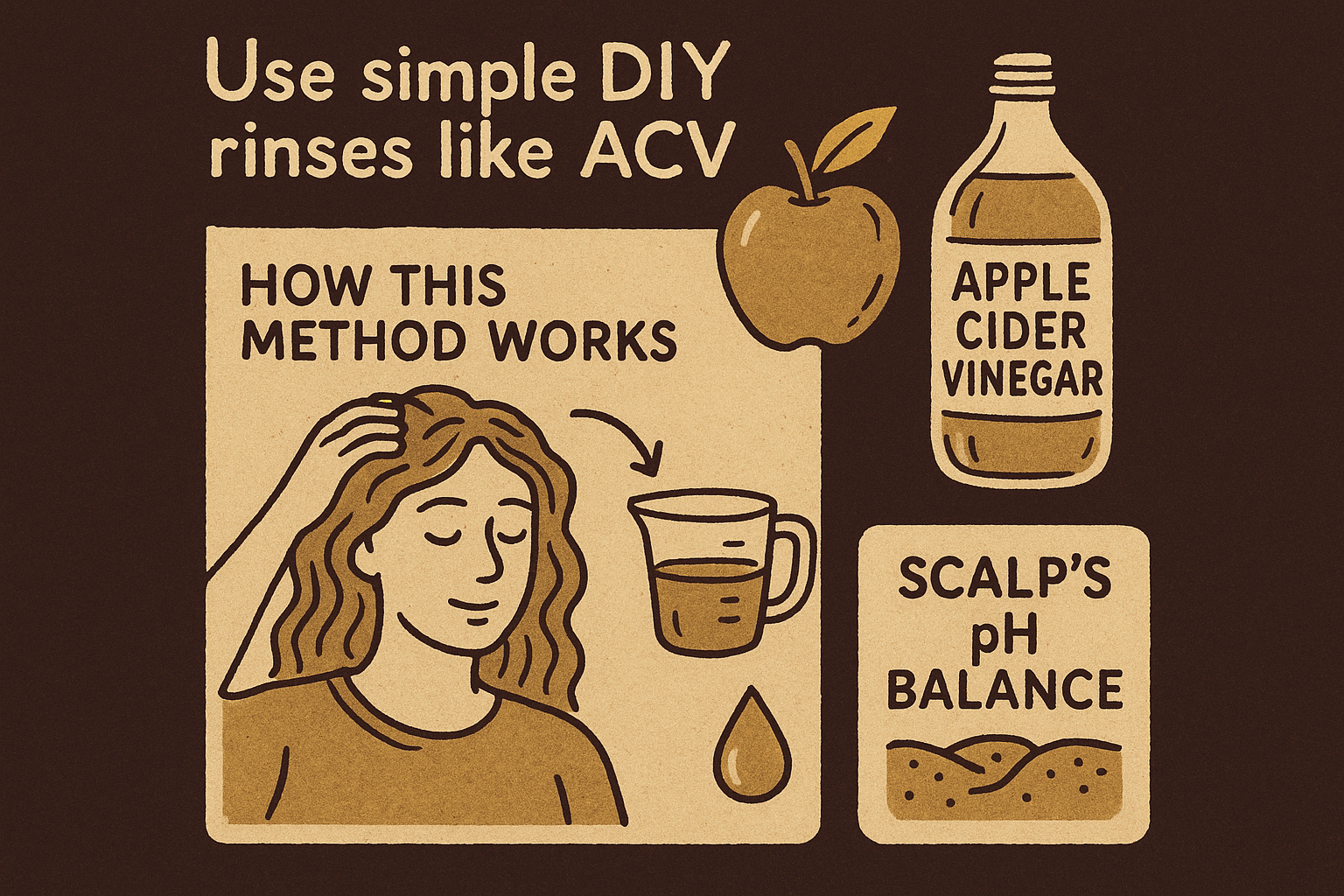
Natural rinses using ingredients from your kitchen offer a gentle way to tackle how to remove scalp buildup without harsh chemicals. Apple cider vinegar stands out as the most effective option because it contains acetic acid that breaks down product residue and balances your scalp's pH level. This method costs pennies compared to specialized treatments and works particularly well for people who prefer natural haircare or want to avoid strong chemical exfoliants.
How this method works
You dilute one part apple cider vinegar with 10 to 16 parts water to create a rinse that dissolves buildup without stripping your hair. The acidic nature of ACV breaks down the mineral deposits, sebum, and product residue that coat your scalp and strands. Pour the mixture over your hair after shampooing, massage it into your scalp for one to two minutes, then rinse thoroughly with cool water. The vinegar smell disappears as your hair dries.
Apple cider vinegar resets your scalp's pH balance while removing layers of accumulated gunk.
Who should use this
This method suits you if you have sensitive skin that reacts poorly to commercial products or deal with dullness from hard water minerals. People with oily scalps benefit from ACV's ability to cut through excess sebum. Avoid this rinse if you have color-treated hair since the acid can accelerate fading.
How often and key tips
Apply an ACV rinse once weekly or after using heavy styling products. Always dilute the vinegar properly since undiluted ACV burns your scalp and damages your hair cuticles. Use raw, unfiltered apple cider vinegar with the mother for maximum effectiveness. Rinse completely to prevent any lingering vinegar scent.
6. Clean up your product and styling routine
The products you use daily create the foundation for either clean hair or persistent buildup. Many styling products contain silicones, heavy oils, and waxes that coat your hair shaft and scalp with each application. These ingredients accumulate faster than your regular shampoo can remove them, especially if you layer multiple products or skip thorough rinsing. Understanding how to remove scalp buildup starts with examining what you put on your hair in the first place and making strategic swaps that reduce residue without sacrificing performance.
How this method works
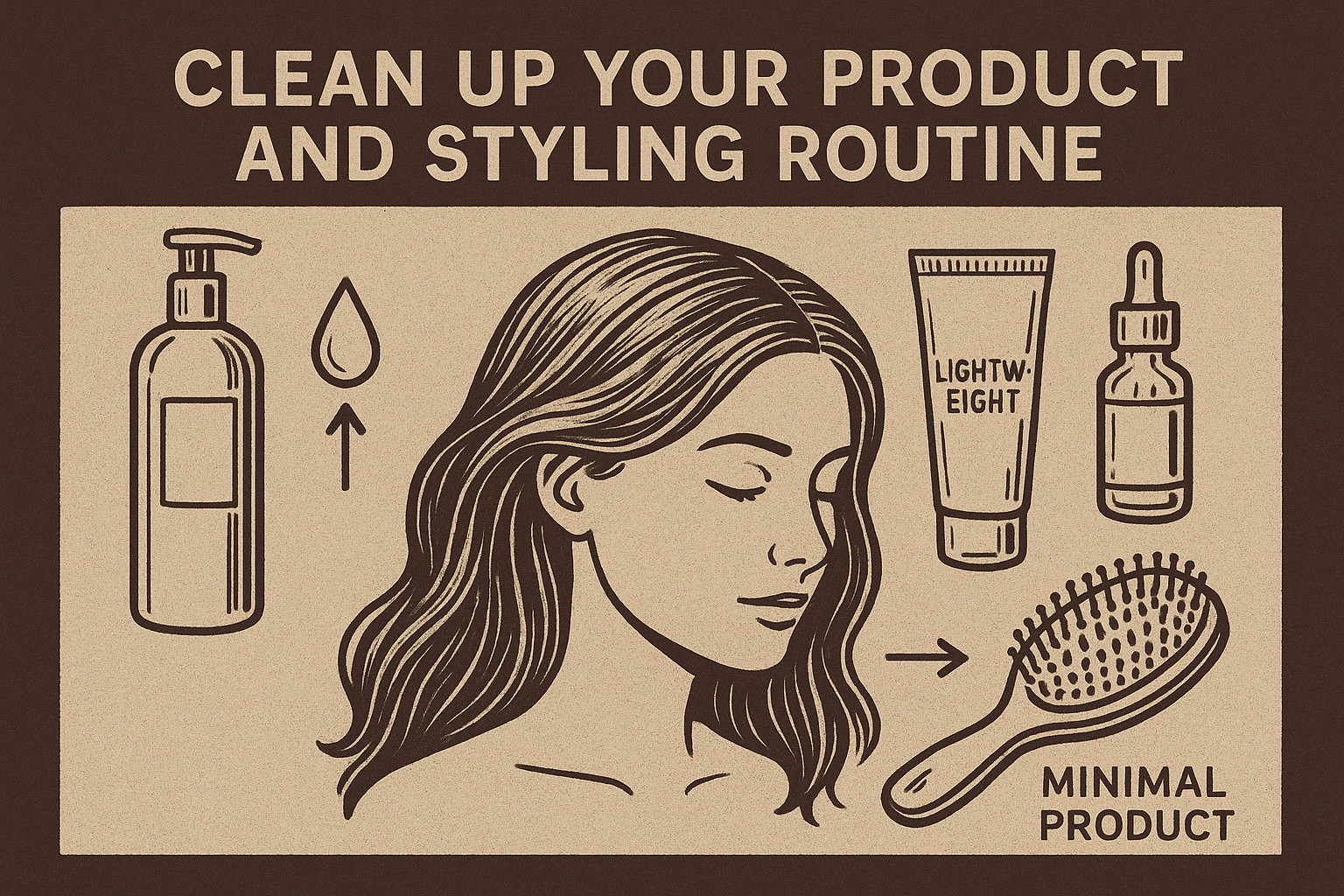
You evaluate your current products by checking ingredient lists for buildup culprits like dimethicone, mineral oil, petroleum, and heavy butters. Replace these with water-soluble alternatives that rinse clean without leaving residue. Switch to lightweight serums instead of thick creams, use less product overall, and avoid applying styling products directly to your scalp. This prevention strategy stops buildup before it forms rather than fighting to remove it later.
Preventing buildup through smart product choices saves you from constant deep cleaning routines.
Who should use this
This approach benefits anyone who uses multiple styling products daily or notices their hair feels coated even after washing. People with fine or oily hair see immediate improvement when they eliminate heavy ingredients. You should prioritize this method if you struggle with persistent buildup despite regular clarifying.
How often and key tips
Review your product lineup monthly and eliminate one problematic product at a time to identify specific triggers. Apply styling products from mid-shaft to ends rather than roots. Rinse thoroughly after each product application during your styling routine to prevent immediate buildup.
7. Spot red flags and try medicated care
Sometimes home remedies cannot solve persistent scalp problems because the buildup stems from an underlying medical condition rather than just product accumulation. Severe itching, burning sensations, large crusty patches, hair loss, or scalp inflammation signal that you need professional intervention beyond typical methods for how to remove scalp buildup. Medicated treatments target specific scalp conditions like seborrheic dermatitis, fungal overgrowth, or psoriasis that cause excessive buildup and discomfort. These prescription or over-the-counter medications contain active ingredients designed to treat the root cause rather than just removing surface debris.
How this method works
Medicated shampoos contain antifungal agents like ketoconazole or zinc pyrithione that control yeast overgrowth on your scalp. These ingredients kill the fungus that accelerates skin cell turnover and creates thick, oily buildup. You apply the medicated shampoo to wet hair, massage it into your scalp, then leave it on for five to ten minutes before rinsing to allow the medication time to penetrate. The treatment reduces inflammation, slows excessive skin cell production, and restores your scalp's healthy balance.
Medical intervention addresses the cause of buildup instead of just treating symptoms that keep returning.
Who should use this
You need medicated care if your scalp shows red, inflamed patches, produces thick yellow or white scales, or causes persistent pain despite regular cleansing. People diagnosed with dandruff, seborrheic dermatitis, or scalp psoriasis require these specialized treatments. Skip medicated options if you have minor flaking that responds to clarifying washes.
How often and key tips
Follow your dermatologist's instructions precisely, typically using medicated shampoo two to three times weekly until symptoms improve. Continue occasional maintenance treatments even after your scalp clears to prevent recurrence. Never mix medicated shampoos with other chemical treatments without medical approval. Schedule a dermatologist appointment if your symptoms worsen or persist beyond four weeks of consistent treatment.
Final thoughts
You now have seven proven methods for how to remove scalp buildup that work at home without expensive salon visits or complicated routines. Start with the approach that fits your current situation best, whether that means trying a clarifying wash, adjusting your washing technique, or switching to lighter products. Most people see noticeable improvement within two to three washes when they combine multiple methods from this guide.
Your scalp deserves the same attention you give your hair styling routine. Clean follicles let your products perform properly, your curls bounce naturally, and your styling efforts actually stick. Healthy scalp care forms the foundation for everything else you do with your hair. If you're ready to embrace textured hair that looks and feels its best, check out Scatter Hair's approach to effortless styling that starts with a healthy, buildup-free foundation.