

7 Scalp Care Tips for Curly Hair That Actually Work
Your curls look fine, but your scalp is a different story. Flaking, itching, and that tight, dry feeling under your curls usually mean your scalp care for curly hair routine is missing a step. Most people spend all their time and money on the strands and forget the skin underneath is what actually grows the hair.
Here's the direct answer: a healthy scalp needs regular exfoliation, the right scalp treatment for curly hair, and product choices that don't clog follicles or leave buildup behind. Curl patterns trap oil, sweat, and product close to the scalp, which is exactly why so many curly-haired people deal with flaking that looks like dandruff but isn't. Fix the scalp, and your curls get easier to style almost immediately.
Below you'll find seven tips that go beyond "just wash more often," including a simple diy scalp treatment for curly hair you can make tonight and what to look for if you're shopping for the best scalp treatment for curly hair on the market. These are the same fundamentals we build into every Scatter formula, because effortless styling starts at the root, not the ends.
1. Cleanse your scalp with a sulfate-free shampoo
How it works
Curly hair traps oil, sweat, and product residue against the scalp far more than straight hair does, because the curl pattern itself slows down how quickly buildup travels down the strand. Sulfate-free shampoo cleans without stripping the scalp barrier the way harsh sulfates do, so you get rid of the gunk without triggering the rebound oil production that makes flaking worse. Traditional sulfates dissolve dirt fast, but they also dissolve the natural lipids your scalp needs to stay calm and hydrated. Swapping to a gentler surfactant base means your scalp stays clean and balanced instead of clean and irritated.
A clogged scalp can't grow healthy curls, no matter how good your styling product is.
Who it's for
Anyone with 2A through 4C curls who notices flaking, tightness, or an itchy scalp within a day or two of washing is a good candidate for this switch. It's especially useful if you've been told you have dandruff but your flakes show up mostly around the crown or hairline, which often points to buildup rather than a fungal issue. People who use a lot of gel, mousse, or curl cream also need this step more than most, since those products leave residue that a mild cleanser has to work harder to remove.
How to do it
Washing correctly matters as much as which bottle you pick. Follow this order to get the scalp clean without disturbing your curl pattern more than necessary:
- Section your hair into four to six parts before you start, so the shampoo actually reaches the scalp instead of just sliding down the strands.
- Apply a sulfate-free, low-lather shampoo directly to the scalp using your fingertips, not your nails.
- Massage in small circles for 60 to 90 seconds per section to lift buildup.
- Rinse with lukewarm water, since hot water strips moisture your scalp needs.
- Repeat once if it's been more than a week since your last wash, twice if you use heavy styling products daily.
Stick to this two to three times a week. Overwashing dries out the scalp even with a gentle formula, while underwashing lets buildup accumulate and undoes the benefit entirely.
2. Exfoliate your scalp to clear away buildup
How it works
Shampoo alone doesn't always break up dead skin, dried product, and sebum that harden into a film on the scalp, especially if you're prone to heavy gel or cream use. A scalp scrub or brush with soft silicone bristles physically lifts that film, so your follicles aren't sitting under a layer of gunk that blocks moisture and slows growth. Chemical exfoliants like salicylic acid work differently: they dissolve the bonds holding dead skin cells together, which is gentler on tight curl patterns where you can't always reach every inch with a brush.
Buildup you can't see is still buildup, and it's usually the real cause of "dandruff" that shampoo alone never fixes.
Who it's for
Exfoliating helps most if you notice a waxy residue when you scratch your scalp, or if flaking persists even after switching to a sulfate-free shampoo. Frequent gel or edge control users tend to need this more than people who mostly wear wash-and-go styles, since styling products are the main source of the buildup in the first place. Skip heavy mechanical scrubbing if you have any open irritation or active flaking that looks red and inflamed; a chemical exfoliant is the safer starting point there.
How to do it
Work exfoliation into your routine every one to two weeks, not every wash day:
- Apply a scalp scrub or a salicylic acid treatment to dry or damp hair before shampooing.
- Section hair the same way you do for washing, so you reach the scalp evenly.
- Massage for one to two minutes per section with a silicone brush or your fingertips.
- Rinse thoroughly, then follow with your regular sulfate-free shampoo.
Overuse can irritate the scalp barrier, so treat this as a periodic reset rather than a daily habit.
3. Massage your scalp to boost circulation
How it works
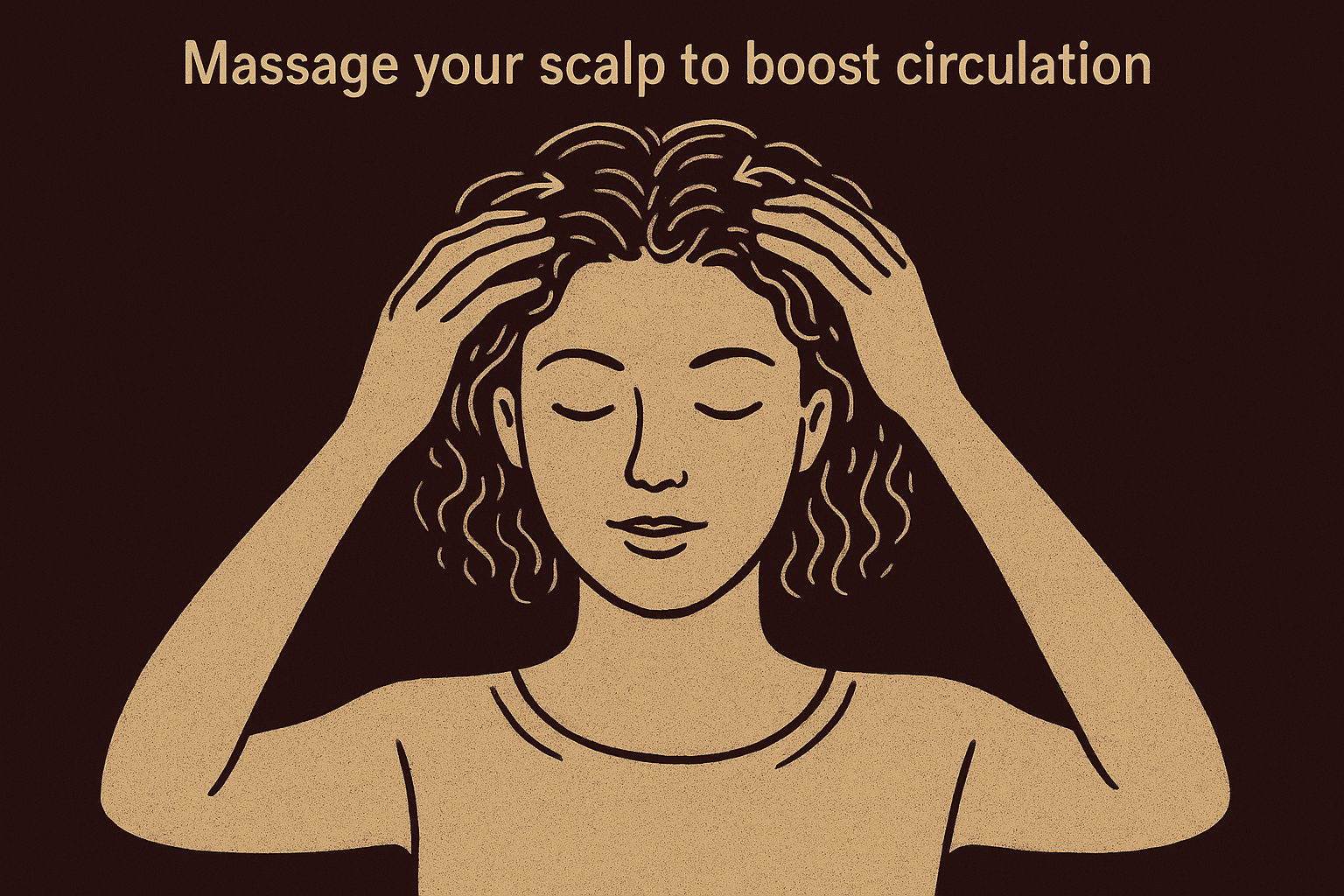
Running your fingertips across your scalp for a few minutes does more than feel good. A scalp massage increases blood flow to the follicles, which delivers more oxygen and nutrients to the cells responsible for growing hair. Better circulation also helps your natural sebum spread more evenly instead of pooling at the crown, so you get less localized greasiness and less dryness at the same time. Some small studies even link consistent scalp massage to thicker-feeling hair over several months, though the bigger everyday win for curly hair is simply loosening the buildup that cleansing and exfoliating leave behind.
A few minutes of scalp massage a day does what expensive growth serums often promise and rarely deliver.
Who it's for
Massage suits almost everyone, but it matters most if your scalp feels tight, tense, or numb, which is common if you wear tight protective styles often. It also helps people managing stress-related shedding, since tension in the scalp muscles can restrict blood flow over time. If you're using a scalp treatment for curly hair like an oil or serum, massaging it in gets the product working instead of just sitting on the surface.
How to do it
Keep it simple and consistent rather than long and occasional:
- Use the pads of your fingers, not your nails, to avoid scratching the skin.
- Press firmly and move in small circles, working from your hairline back toward the crown.
- Spend three to five minutes total, covering every section of your scalp.
- Do this daily, either dry or with a few drops of oil, ideally before bed or before washing.
A silicone massaging tool works too if your hands get tired, but fingers give you better control over pressure.
4. Deep condition and hydrate your scalp
How it works
Most people aim conditioner at their ends and skip the scalp entirely, but a dry scalp underneath curly hair needs moisture just as much as the strands do. A hydrating scalp treatment with humectants like glycerin or aloe pulls water into the skin, while emollients such as squalane or ceramides seal that moisture in so it doesn't evaporate by midday. Curly hair's natural oils have a harder time traveling down the shaft because of the curl pattern, which leaves the scalp drier than a straight-haired person's even when both use the same products.
Dry ends get attention, but a dry scalp is what actually causes the itching and flaking people mistake for dandruff.
Who it's for
This step matters most if your scalp feels tight or flaky in dry winter months, or if you live somewhere with hard water or low humidity. It's also worth adding if you've been focused on a scalp treatment for curly hair that targets buildup but haven't noticed relief from tightness or itching, since that usually means moisture, not cleansing, is the missing piece. People who color-treat or heat-style their hair often need this more too, since those processes dry out the scalp along with the strands.
How to do it
Apply a leave-in scalp serum or a diluted deep conditioner directly to the scalp after washing, focusing on the crown and hairline where dryness shows up first. Massage it in for a minute, then let it absorb before adding any styling product on top. Do this once or twice a week, more often if you notice flaking return between washes.
5. Try a DIY scalp treatment with natural oils
How it works
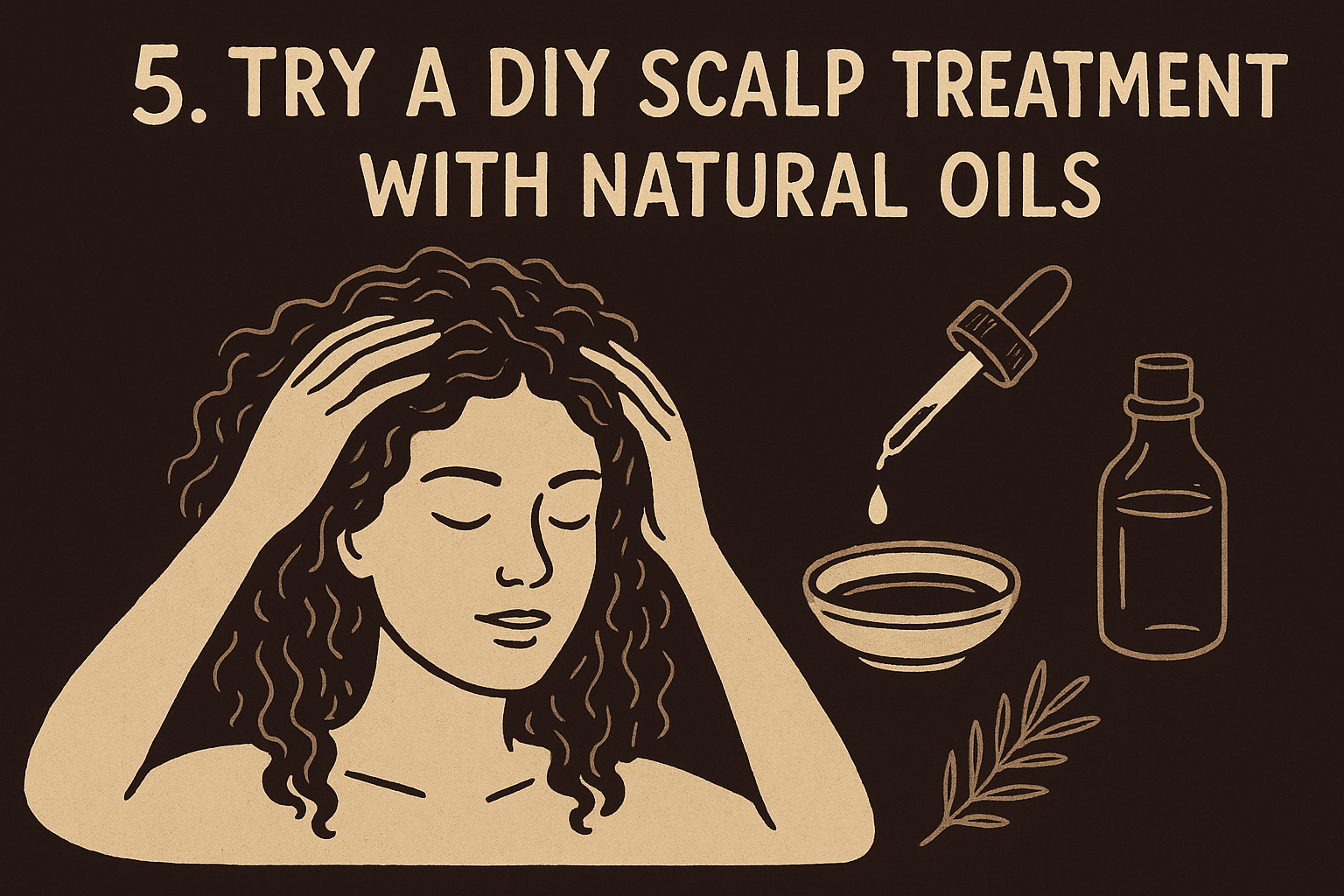
Natural oils like jojoba, castor, and rosemary carry fatty acids that mimic your scalp's own sebum, so they absorb instead of sitting on top like heavier mineral oils do. A diy scalp treatment for curly hair built around these oils softens flakes, calms mild irritation, and gives you a way to nourish the scalp without buying another bottle. Rosemary oil in particular has been studied for its effect on follicle health, and while it's not a miracle fix, it pairs well with the other steps in this routine.
A good oil treatment doesn't replace washing, it just gives your scalp something to work with between wash days.
Who it's for
Budget-conscious curlies who want to test what works before committing to a pricier serum are a good fit here. It also suits people whose scalp responds well to oil already, since some curl types get greasy fast and should skip heavier carrier oils in favor of lighter ones like grapeseed. If you're prone to clogged follicles, patch test first and keep the ratio light rather than pouring on oil straight from the bottle.
How to do it
Mix this in a small dish and apply while hair is dry, before your next wash:
2 tablespoons jojoba oil
1 tablespoon castor oil
3 drops rosemary essential oil
Warm the mixture slightly, section your hair, and apply with a dropper or your fingertips directly to the scalp. Massage for two minutes, cover with a shower cap, and leave it on for 20 to 30 minutes before shampooing out thoroughly. Repeat once a week, and skip it if you notice any new breakouts along the hairline.
6. Soothe irritation with aloe vera and calming serums
How it works
Some scalps stay irritated no matter how gentle your shampoo is, and that's where aloe vera earns its reputation. Fresh aloe gel contains enzymes and polysaccharides that calm inflamed skin and pull moisture in at the same time, so redness and itching fade faster than they would on their own. Calming serums built with ingredients like oat extract, allantoin, or niacinamide work alongside aloe to reduce that raw, tender feeling you get after a scratch session gone too far. Neither ingredient clogs follicles, which makes them a safer daily option than heavier oils if your scalp is already inflamed.
When your scalp is angry, skip the buildup fighters and reach for something that calms first.
Who it's for
This step is for anyone dealing with active redness, tightness, or itching that flares up after color treatments, protective styles, or a new product. It also helps people whose scalp reacts to environmental triggers like sun exposure or chlorine, since aloe has a mild soothing effect on sunburned or chemically stressed skin. Skip strong exfoliants until the irritation calms down, aloe and a calming serum should come first.
How to do it
Apply pure aloe vera gel, ideally straight from the plant or a preservative-free bottle, directly to the scalp on dry or damp hair.
- Massage gently for one minute, avoiding scratching
- Leave on for 15 minutes, then rinse or leave in in small amounts
- Follow with a calming serum on days you skip aloe
- Use daily during flare-ups, then taper to twice a week once calm returns
7. Protect your scalp between wash days
How it works
Even the best routine gets undone if you spend six days sleeping on a cotton pillowcase that pulls moisture out of your scalp and hair while you toss and turn. Friction from rough fabric roughens the cuticle and irritates the scalp skin underneath, which shows up as dryness and flyaways by the time you're due for your next wash. Satin and silk create less drag, so your curls stay in place and your scalp isn't getting scratched and dehydrated every night. Sweat, humidity, and everyday grime also settle into the scalp between washes, and a light barrier keeps that from turning into the kind of buildup you had to fight off in tip one.
Protecting your scalp between washes isn't extra effort, it's what makes the rest of your routine last.
Who it's for
This matters most if you go four or more days between washes, which describes most curly routines built around low manipulation and length retention. Anyone testing out a best scalp treatment for curly hair candidate should also protect it overnight, since rubbing a fresh treatment off on your pillow within hours wastes the product and the benefit.
How to do it
Build these habits into your nightly routine:
- Swap your pillowcase for satin or silk, or wear a satin bonnet or scarf
- Loosely pineapple or braid curls before bed to cut down on friction
- Refresh with a light water and leave-in mix instead of piling on new product
- Keep protective styles loose enough that the scalp can still breathe
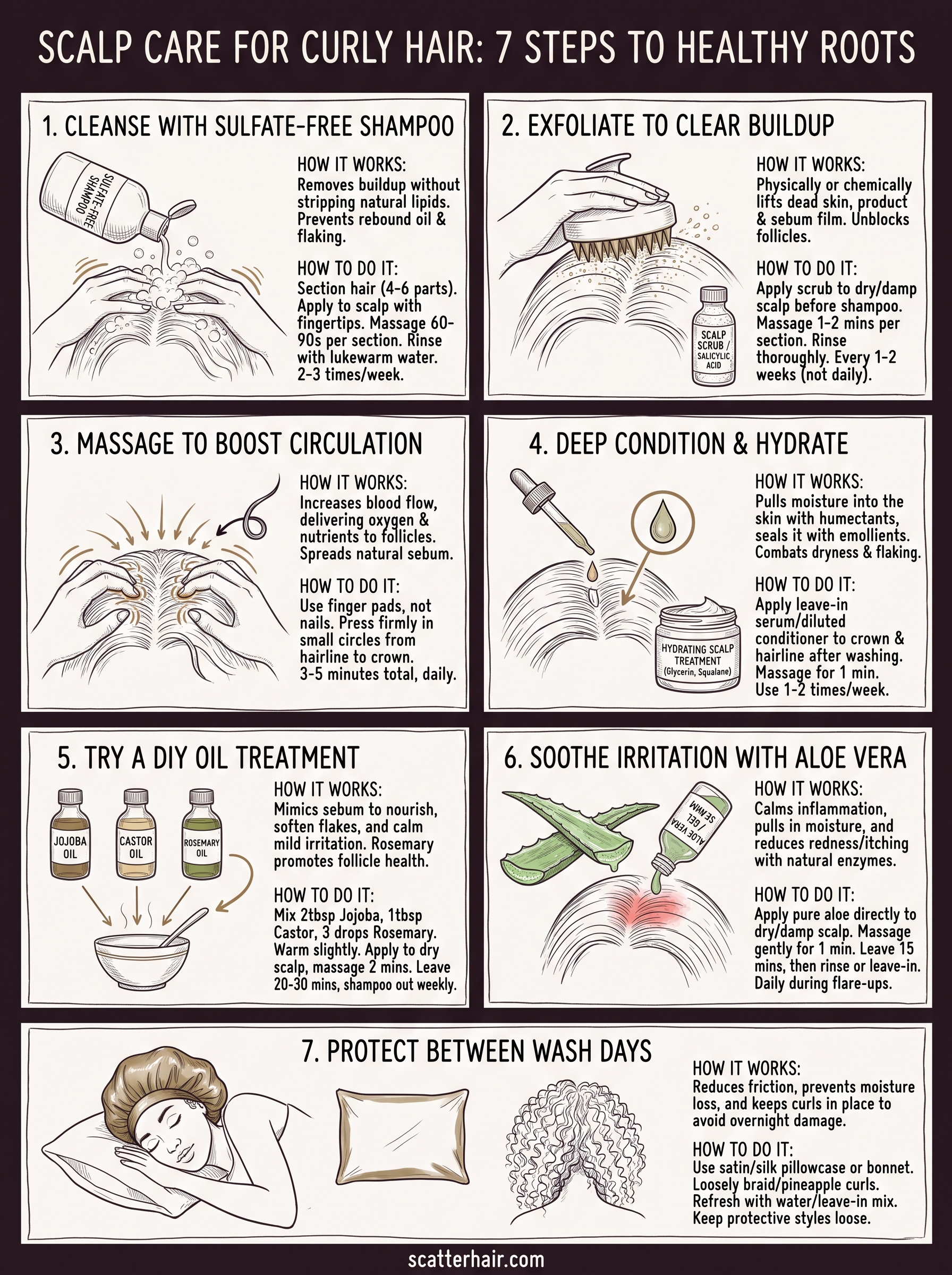
Healthy scalp, happier curls
None of these seven steps work in isolation. Cleansing clears the way for exfoliation, exfoliation makes massage more effective, and hydration keeps everything from tipping into dryness again. Scalp care for curly hair isn't a one-time fix, it's a rotation you build week by week based on what your scalp is telling you through flaking, tightness, or itching. Start with the cleanse and massage steps if you're overwhelmed, then layer in exfoliation and a scalp treatment for curly hair once those basics feel automatic.
Give your scalp the same attention you give your curl pattern, and the frizz, buildup, and flaking you've been fighting start to sort themselves out. Curls styled on a healthy scalp hold shape longer and need less product to look right. If you want styling products actually formulated with scalp health built in, not bolted on, join the Scatter waitlist and get early access when we launch.