

How to Control Frizzy Hair: 6 Tips, Post-Wash to Bedtime
You step out of the shower with smooth, defined curls. Twenty minutes later your hair looks like you stuck your finger in a socket. Frizz happens fast on textured hair because each strand is naturally drier and more porous than straight hair. Add humidity, rough handling, or the wrong products and you get that halo of flyaways that no amount of smoothing can fix. Figuring out how to control frizzy hair means understanding what your texture actually needs and building a routine that works with it instead of against it.
This guide breaks down six practical steps you can take from the moment you wash to the second you hit the pillow. You'll learn how to choose products that actually hydrate textured hair, dry without creating friction, lock in moisture while it's still damp, and protect your curls overnight. Each tip builds on the last to help you maintain control throughout the day. No complicated techniques or fifteen step routines. Just straightforward methods that respect your texture and keep frizz from taking over.
1. Reset your wash day for less frizz
Your wash day sets the tone for how your hair behaves all week. If you start with the wrong products or rough techniques, you create frizz before you even finish styling. Learning how to control frizzy hair begins in the shower with choices that preserve moisture and protect your cuticles from damage. Swapping a few products and adjusting your water temperature makes a bigger difference than any post-wash styling trick.
Choose a sulfate free, frizz friendly shampoo
Sulfates strip natural oils from your scalp and leave textured hair dry and vulnerable to frizz. They create that satisfying lather but damage your cuticle layer in the process. Switch to a sulfate free shampoo that cleans without stripping, and look for ingredients like coconut oil, shea butter, or glycerin that add moisture while they cleanse. Your hair should feel clean but not squeaky tight after washing.
Condition deeply and detangle in the shower
Conditioner does more than soften your hair. It closes the cuticle layer and creates a barrier against humidity. Apply conditioner from mid-shaft to ends, let it sit for at least three minutes, then use your fingers or a wide-tooth comb to detangle while the product provides slip. Deep condition with a moisture rich mask once a week if your hair feels brittle or shows breakage.
Detangling in the shower with conditioner prevents the damage that causes frizz later.
Rinse cooler and stretch the time between washes
Hot water opens your cuticles and strips moisture even after you condition. Rinse with lukewarm or cool water to seal the cuticle flat and lock in the conditioning treatment. Washing too often dries out textured hair and creates more frizz, so stretch your washes to every three to five days using dry shampoo or co-wash between full cleansing sessions.
2. Dry and detangle your hair the gentle way
The way you handle your hair when it's wet determines how much frizz shows up once it dries. Wet hair is weaker and more fragile than dry hair because water temporarily breaks the hydrogen bonds that give your strands structure. Rough drying and aggressive detangling create the surface damage and split ends that turn into frizz later. Switching to gentler methods protects your cuticle layer and keeps your texture smooth from the moment you step out of the shower.
Swap rough towels for microfiber or cotton tees
Regular terry cloth towels have loops that catch on raised cuticles and create friction that roughens your hair surface. Microfiber towels absorb water faster without the rough texture, while old cotton t-shirts work just as well and cost nothing. Wrap your hair gently or scrunch sections to remove excess water without disturbing your curl pattern. The smoother the fabric against your hair, the less frizz you'll see when it dries.
Blot and squeeze out water instead of rubbing
Rubbing your hair with a towel pulls at the cuticle and creates instant frizz even before you style. Instead, press sections of your hair between the towel to blot out moisture, or use a squeezing motion from roots to ends. This removes water without disturbing the cuticle or disrupting your natural curl pattern. Your hair should feel damp but not dripping when you finish.
Squeezing water out preserves the curl pattern that rubbing destroys.
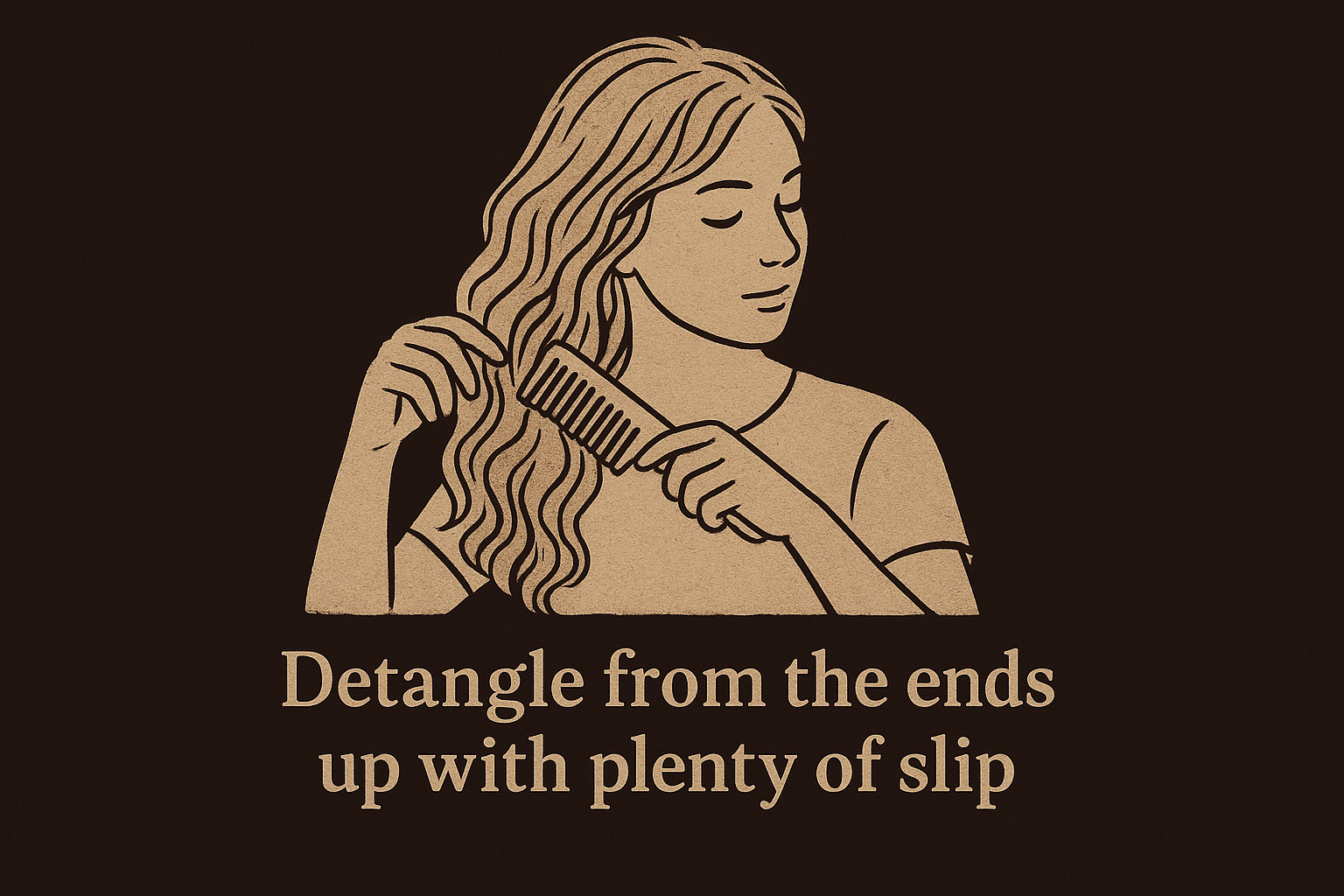
Detangle from the ends up with plenty of slip
Detangling from roots down drags knots toward the ends and causes breakage that leads to frizz. Start at your ends and work up in small sections, using a wide-tooth comb or your fingers to gently separate tangles. Apply a leave-in conditioner or detangling spray first to create slip that lets the comb glide through without catching. This protects your cuticle and prevents the damage that makes learning how to control frizzy hair harder than it needs to be.
3. Layer stylers on damp hair to lock in moisture
Damp hair absorbs products better than dry hair because your cuticles are still open and ready to take in moisture. Applying stylers at this stage lets you seal in hydration before your hair dries and the cuticle closes. The products you layer and the order you apply them determine how well your hair holds onto moisture throughout the day. Understanding how to control frizzy hair with the right product combinations gives you long lasting definition instead of temporary smoothness that disappears by afternoon.
Start with a leave in for lightweight hydration
Leave-in conditioner creates the moisture foundation your other products build on. It hydrates without weighing your hair down and provides the slip you need to distribute heavier stylers evenly. Apply it to soaking wet hair right after you squeeze out excess water, working from ends to roots in sections. Your hair should feel soft and slightly slippery after application. Skip this step and your cream or gel sits on dry strands instead of sealing in moisture.
Layer cream and gel to define and control
Cream adds moisture and definition while gel provides the hold that fights frizz. Apply cream first to clump your curls together, then layer gel on top to lock everything in place. Use the praying hands method or rake products through with your fingers, then scrunch upward to encourage your natural curl pattern. The gel forms a protective cast as it dries that keeps humidity out and moisture in.
Use natural oils and butters sparingly
Oils and butters seal moisture into your hair but too much creates buildup that attracts frizz instead of preventing it. Apply a small amount to your palms, rub them together, then smooth over the surface of your hair or focus on your driest sections at the ends. Lighter oils like argan or jojoba work better for fine hair, while thicker butters suit coarser textures.
Layer products from thinnest to thickest for maximum moisture retention.
Watch for ingredients that can make frizz worse
Some ingredients dry out textured hair even though they appear in popular anti-frizz products. Avoid high amounts of alcohol (isopropyl, ethanol, or denatured alcohol) that strip moisture, and watch out for heavy silicones that create buildup. Glycerin works well in moderate humidity but pulls moisture from your hair in very dry or very humid climates.
4. Style with low heat and low friction
Heat and friction are the two biggest styling threats to textured hair. High heat breaks down the protein bonds that give your hair strength, while friction from brushes and towels lifts your cuticles and creates frizz. Both types of damage happen gradually, so you might not notice the long term effects until your hair feels chronically dry and unmanageable. Choosing styling methods that minimize heat exposure and reduce friction protects your cuticle layer and makes controlling frizz easier every single day.
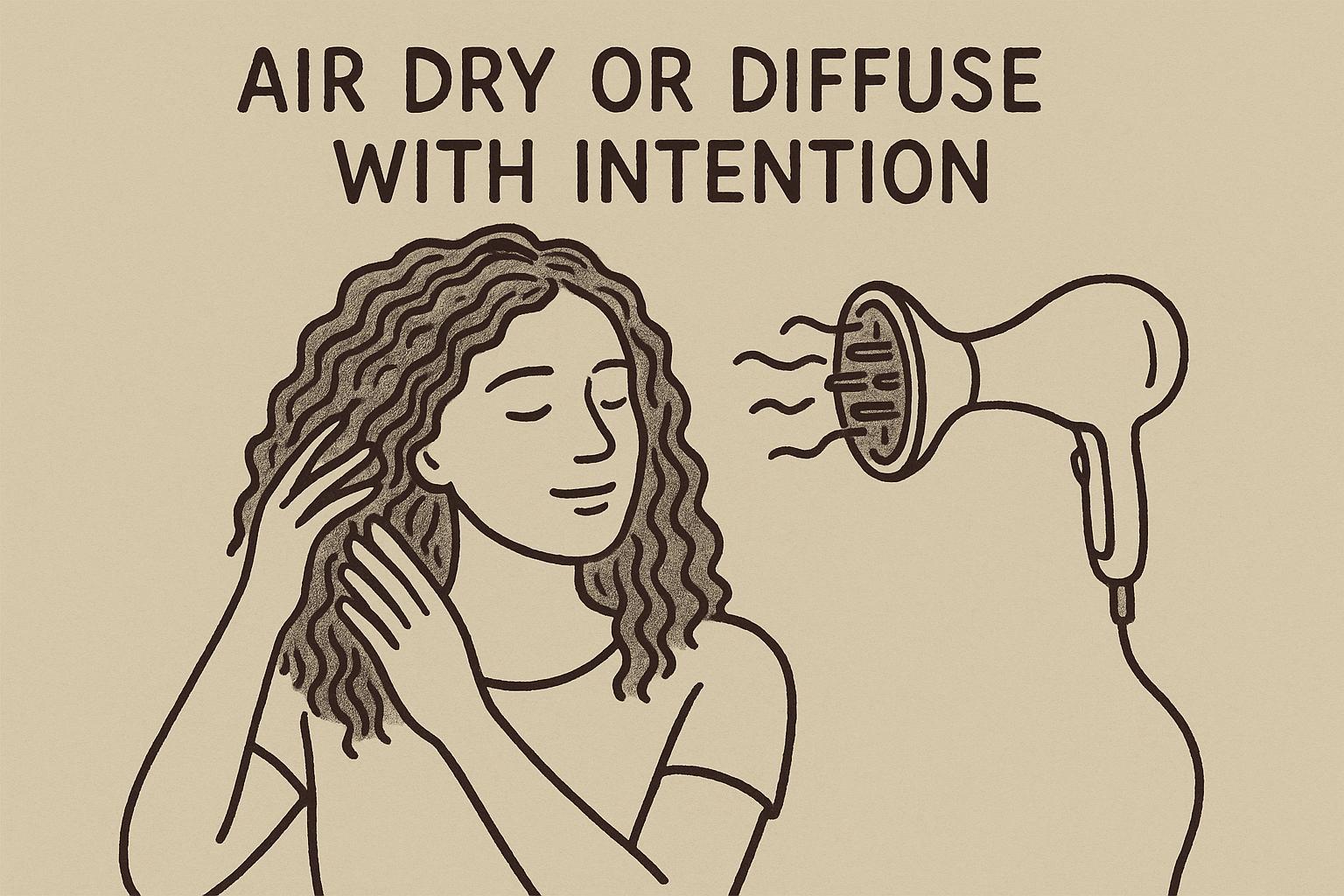
Air dry or diffuse with intention
Air drying eliminates heat damage completely but takes longer and can create inconsistent curl patterns if you don't guide your hair as it dries. Use the praying hands method to smooth sections while they're still damp, then scrunch upward and let gravity do the work. Diffusing speeds up the process without direct heat if you use low or medium settings and hover the diffuser near your hair instead of pressing it against your scalp. Cup sections of hair in the diffuser bowl and pulse air through them to dry evenly.
Blow dry with tension and real heat protection
Blow drying with a brush creates smooth, stretched styles but requires proper heat protection to prevent damage. Apply a heat protectant spray that creates a barrier between your hair and temperatures above 300 degrees. Use the tension method by pulling sections taut as you dry them, which smooths the cuticle without adding extra heat. Point the nozzle down the hair shaft from roots to ends to close the cuticle as you work.
Pick brushes and tools that respect your texture
Metal and plastic brushes with tight bristles snag and tear at textured hair. Choose wide-tooth combs for detangling and boar bristle brushes for smoothing that distribute natural oils without pulling. Satin scrunchies and cloth-covered hair ties prevent the creasing and breakage that create frizz at your ponytail line.
Tools matter as much as products when learning how to control frizzy hair.
Keep up with trims to stop frayed ends
Split ends travel up the hair shaft and create frizz that no product can fix. Trim your hair every eight to twelve weeks to remove damaged ends before they split further. Regular trims keep your texture looking defined instead of letting frayed ends create that fuzzy, unkempt appearance.
5. Fix frizz fast during the day
Frizz doesn't wait for your next wash day. Environmental changes, physical activity, and simple movement can disrupt your carefully styled hair within hours. Knowing how to control frizzy hair throughout the day means having quick fixes ready that refresh your texture without requiring a full restyle. These methods take two minutes or less and work with products you already carry.
Reactivate curls with a water and leave in mist
Mix water and a small amount of leave-in conditioner in a spray bottle and mist sections that look fuzzy or undefined. The water temporarily reopens your cuticles while the leave-in adds moisture and slip. Scrunch the damp sections upward to reform your curl pattern, then let them air dry or use your hands to encourage the shape you want.
Smooth surface frizz with serum or cream
Surface frizz sits on top of your defined curls like a halo. Apply a tiny amount of serum or smoothing cream to your palms, rub them together until the product feels warm, then gently press over the frizzy areas without disturbing your curls underneath. Focus on smoothing rather than scrunching to lay down lifted cuticles without creating new texture.
Quick fixes work best when you use products your hair already recognizes.
Tame flyaways with edge care and spoolie tricks
Spray a clean mascara wand or spoolie with light hold hairspray and brush down stubborn flyaways at your hairline and part. This targets individual hairs without weighing down your entire style. Keep a travel size edge control in your bag for spots that need extra smoothing.
Touch and brush your hair less during the day
Every time you touch your hair, you create friction that lifts your cuticles and invites frizz. Resist the urge to constantly adjust, fluff, or run your fingers through your curls. Let your hair settle naturally and only touch it when you're actively refreshing or restyling.
6. Protect your hair from frizz overnight
Your pillow creates hours of friction against your hair while you sleep. Cotton pillowcases absorb moisture and rough up your cuticles, which means you wake up with frizz even when you styled perfectly the night before. Protecting your hair overnight requires minimal effort but makes a significant difference in how much frizz you deal with the next morning. Learning how to control frizzy hair includes what happens when you're not actively thinking about it.
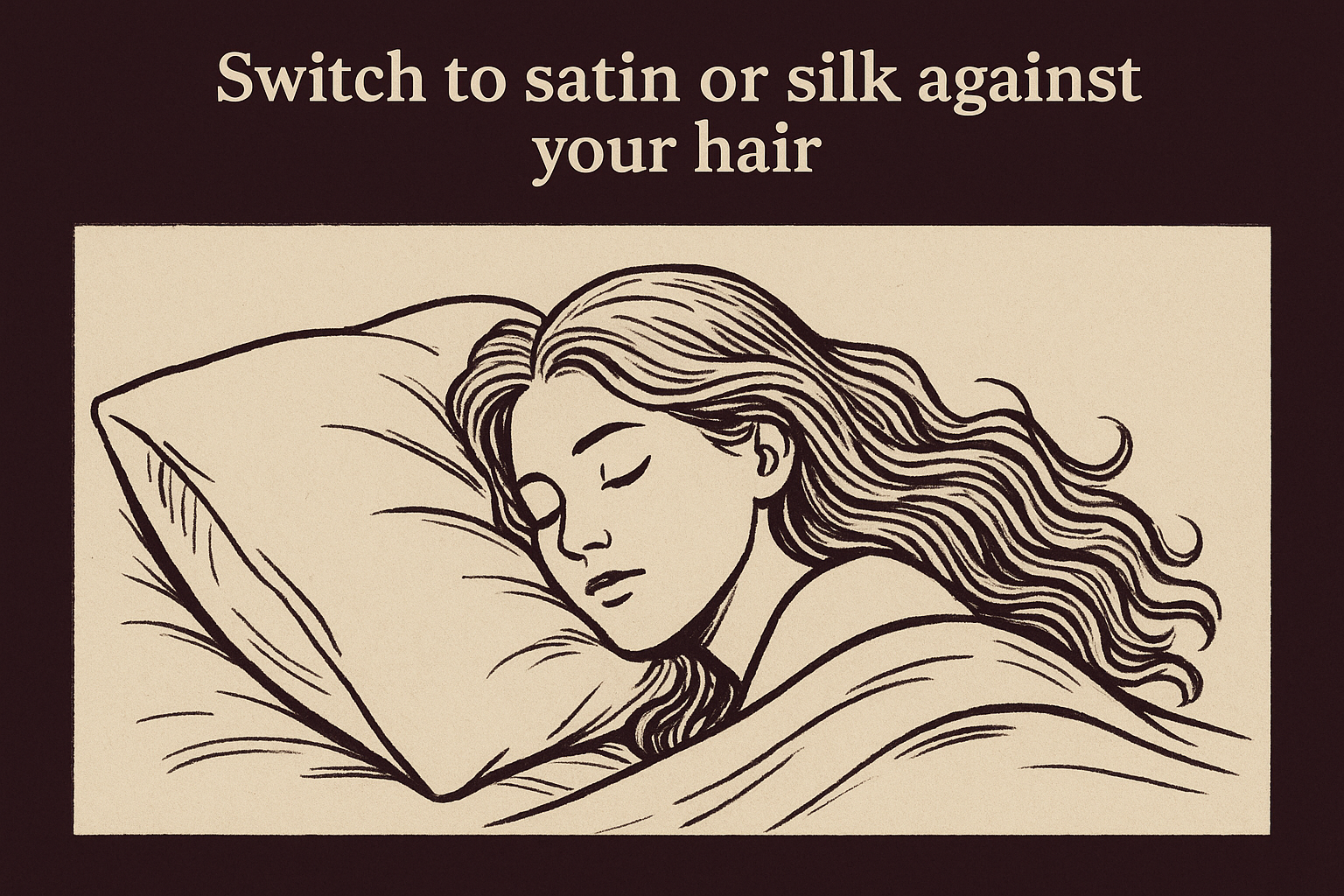
Switch to satin or silk against your hair
Cotton pillowcases create friction and pull moisture from your hair throughout the night. Satin and silk pillowcases let your hair glide smoothly without catching or snagging, which keeps your cuticles flat and your curls intact. Satin bonnets or silk scarves work just as well if you prefer wrapping your hair directly. The smoother surface reduces friction by at least half compared to cotton, which translates to noticeably less frizz when you wake up.
Switching your pillowcase is the easiest overnight change you can make.
Set your hair in loose, protective styles at night
Loose buns, twists, or braids keep your hair contained without creating tension that damages your roots. Use satin scrunchies instead of tight elastics that crease and break your strands. The goal is gentle protection that maintains your curl pattern without pulling or flattening your texture. Avoid styles that put pressure on your hairline or require bobby pins that dent your curls.
Add a light moisture top up before bed if needed
Dry hair before bed means frizzy hair in the morning. Apply a small amount of leave-in conditioner or light oil to your ends if they feel brittle or rough. Focus on sealing in moisture without oversaturating your hair, which can leave residue on your pillowcase and weigh down your curls. This step takes thirty seconds but prevents overnight dehydration.
Stay in control
Controlling frizzy hair doesn't require expensive salon treatments or complicated routines. You need consistent habits that protect your cuticles and lock in moisture at every stage. Start by understanding your specific texture, then build a routine that works with your curl pattern instead of fighting it. Each step from wash day to bedtime matters because frizz prevention happens through small choices that add up over time.
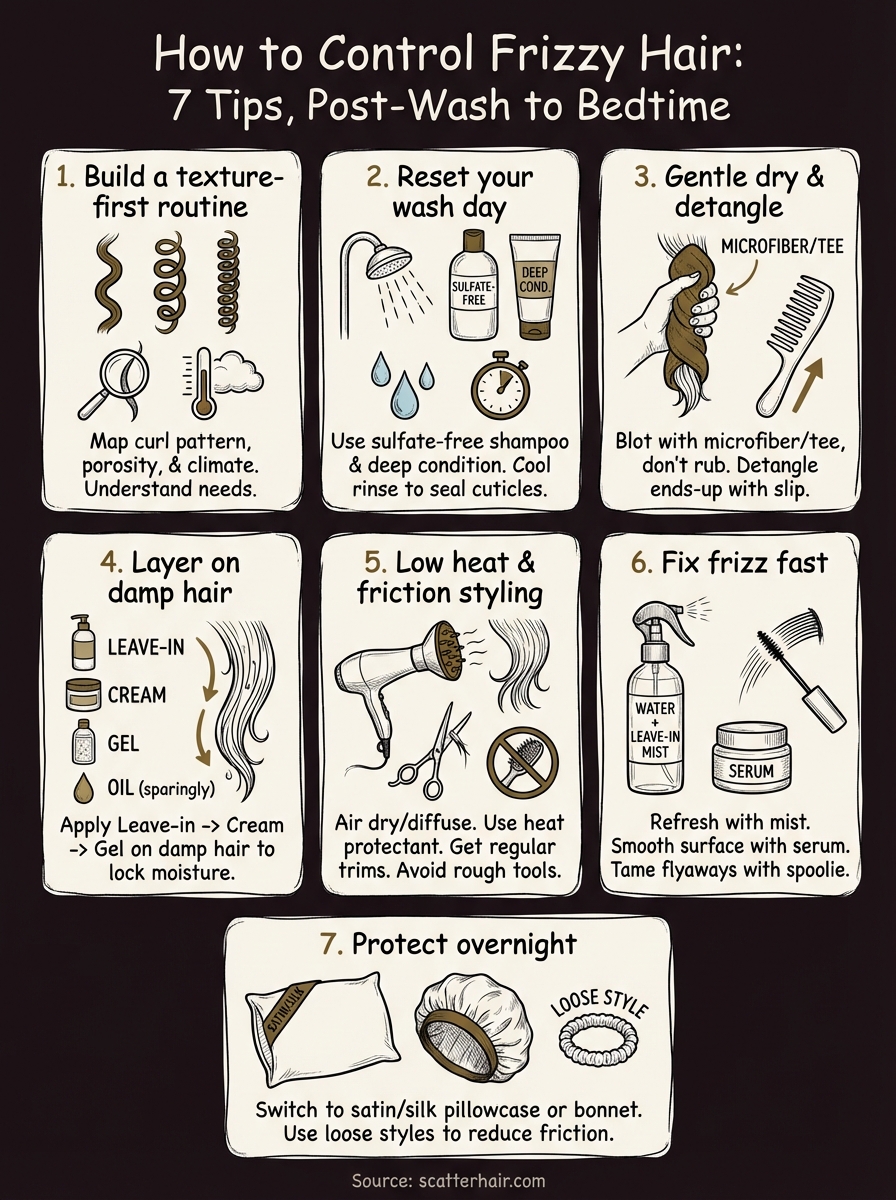
The six tips in this guide give you a complete framework for managing textured hair without guessing. Apply them in order and adjust based on what your hair tells you.
Scatter's first product is Slip, a 2% hyaluronic acid hair serum. Work it through wet-to-damp hair, then air dry for texture or blow dry for body. It's on pre-order now.