

How To Use Leave-In Conditioner: Amount, Wet Vs. Dry Tips
You grabbed a leave-in conditioner because someone swore it would change your hair. Now it's sitting on your shelf and your curls still feel either crunchy or weighed down. Knowing how to use leave-in conditioner correctly, the right amount, on the right dampness level, is the difference between hair that moves freely and hair that looks like it's trying too hard. Most people either use way too much or apply it at the wrong time, and textured hair is especially unforgiving when you get it wrong.
That's exactly why we built scatterhair: to cut through the guesswork for people with textured hair. Our whole thing is making styling effortless, and a solid leave-in routine is the foundation everything else gets built on. Whether you've got coils, waves, or something in between, the technique matters more than you think.
This guide breaks down exactly how to apply leave-in conditioner step by step, including whether wet or dry hair works better for your texture, how much product you actually need, and how to adjust your approach based on your specific hair type. No vague advice. Just clear answers that get you results.
What leave-in conditioner does and when to use it
Leave-in conditioner is a lightweight moisturizing treatment you apply after washing and never rinse out. Unlike your regular rinse-out conditioner, it stays on your strands and keeps working throughout the day. For textured hair especially, the curl pattern makes it harder for your scalp's natural oils to travel down each strand, which means dryness sets in faster. Leave-in fills that gap by sealing moisture into the hair shaft and giving your styling products something to grip onto.
How leave-in conditioner works on textured hair
Your hair shaft has an outer layer called the cuticle, and textured hair cuticles tend to sit more open compared to straight hair. That open cuticle is why your hair absorbs moisture quickly but also loses it just as fast. Leave-in conditioner works by coating the cuticle with humectants and emollients that draw in moisture from the air and seal it inside the strand. The result is softer, more defined hair that holds its shape without going stiff.
A leave-in conditioner is not a styling product on its own; it is a moisture foundation that makes every other product you apply work better.
Most leave-ins also contain ingredients like panthenol, glycerin, or plant-based oils that strengthen the hair over time. Consistent use reduces breakage during detangling and keeps your ends from splitting, which adds up to real length retention if you have a growth goal.
When your hair actually needs leave-in
The clearest sign you need leave-in is dryness within a day or two after washing. If your hair feels rough, looks dull, or tangles easily when you try to run your fingers through it, your strands are not retaining moisture between wash days. Leave-in addresses this directly by adding a hydration buffer that lasts well past the shower.
Knowing how to use leave in conditioner correctly solves these problems at the root rather than masking them with heavier products. Styling creams and gels perform much better when your hair is already moisturized underneath, so skipping leave-in is like painting over dry, cracked wood without priming first. Your curls lose definition faster and frizz takes over quicker when there is no moisture base holding everything together.
When to skip it or scale back
Not every wash day calls for the same amount, and sometimes very fine or low-porosity hair gets weighed down even with a small application. If your roots feel greasy an hour after applying leave-in, you either used too much or chose a formula that is too heavy for your texture. Protein-heavy leave-ins can also cause stiffness or breakage if your hair is already protein-saturated, so if your strands feel brittle after use, switch to a moisture-only formula.
People with fine, wavy hair often do better applying leave-in only to the mid-lengths and ends, skipping the roots entirely. This gives you the hydration where your hair needs it most without the added weight at the scalp that causes limpness and pulls your waves flat.
Choose the right leave-in for your hair
The product you pick matters just as much as how you apply it. Using the wrong formula for your hair type leads to buildup, limpness, or persistent dryness no matter how carefully you follow the steps. Before you learn how to use leave-in conditioner the right way, you need a product that actually matches what your hair needs.
Match the formula to your porosity
Hair porosity describes how easily your strands absorb and hold moisture, and it is the single most useful factor when choosing a leave-in. Low-porosity hair has tightly closed cuticles that resist water and product, so you need a lightweight, water-based leave-in with humectants like glycerin or aloe vera that can penetrate slowly without sitting on top. High-porosity hair has open cuticles that absorb everything fast but lose it just as quickly, so it benefits from richer formulas that include sealing oils like jojoba or castor oil to lock moisture in.
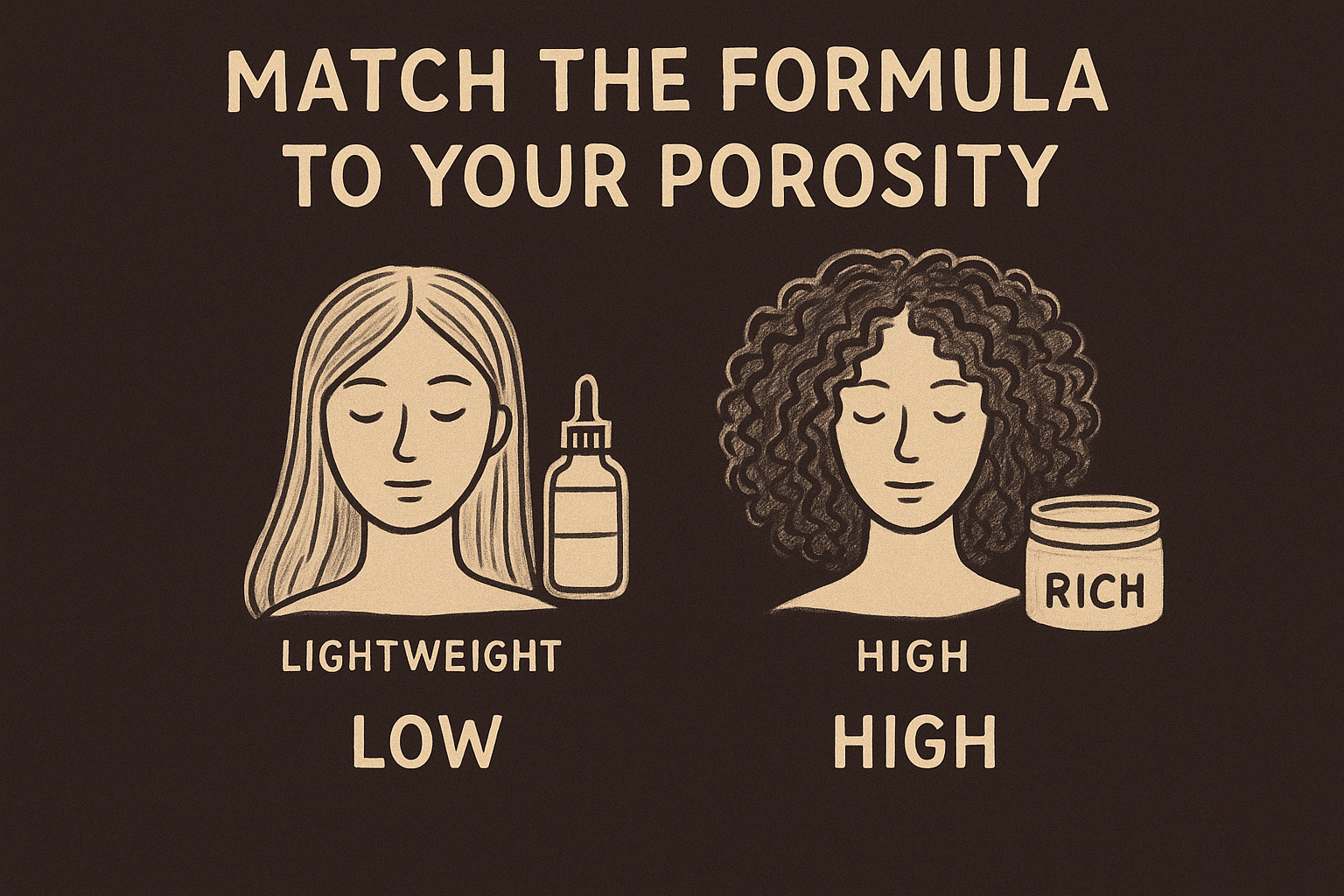
If you are unsure of your porosity, drop a clean strand of hair into a glass of water. Low-porosity hair floats; high-porosity hair sinks quickly.
Medium-porosity hair sits in the middle and tends to be the most forgiving. Most cream or milk leave-ins work well for this type without the risk of overloading your strands. Still check the ingredient list for heavy mineral oils or silicones that can cause buildup with repeated use and leave your hair feeling coated rather than moisturized.
Pick the right texture for your curl type
Curl type and density also shape which leave-in formula performs best for you. Fine or wavy hair does better with a spray or liquid leave-in that distributes evenly without adding weight. These lighter formats let you coat each strand without collapsing your wave pattern or making your roots look greasy by midday.
Thick, coily, or tightly coiled hair needs more slip and moisture, so a cream or butter-based leave-in is the better fit. These denser formulas give your fingers enough glide to detangle without snapping strands and provide a richer moisture base for heavier styling products layered on top. Here is a quick reference:
| Hair type | Best leave-in format |
|---|---|
| Fine or wavy | Spray or liquid |
| Medium or mixed texture | Milk or light cream |
| Thick, coily, or 4C | Cream or butter |
Apply leave-in conditioner on wash day
Wash day is the best time to learn how to use leave-in conditioner because your hair is freshly cleansed and ready to absorb moisture. The key is applying it at the right moment in your routine and working it through your strands with intention rather than just smoothing a little on top and hoping for the best. Getting the timing and technique right here sets up every styling step that follows.
Step-by-step wash day application
Start with freshly washed, towel-blotted hair that feels damp but not dripping. Soaking wet hair dilutes the leave-in before it can absorb, and dry hair does not distribute it evenly. Blot with a microfiber towel or an old cotton t-shirt to remove excess water, then work through each section while your hair is still damp.
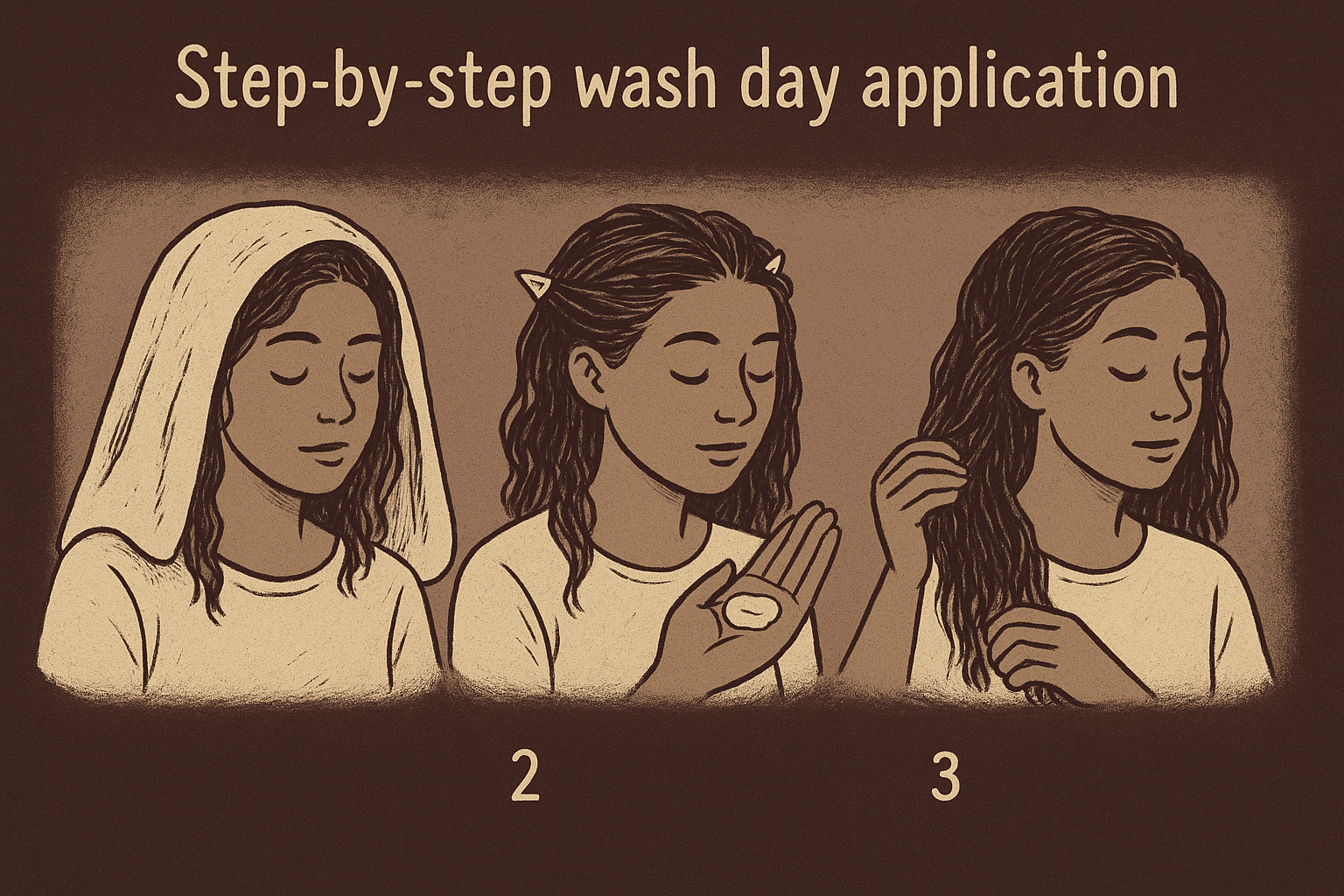
Damp hair, not soaking wet hair, gives leave-in conditioner the best chance to penetrate your strands and actually stay there.
Follow these steps in order for a clean, effective application:
- Divide your hair into 4 sections and clip each one out of the way
- Dispense your leave-in into your palm, then rub your hands together to warm the product
- Start at the ends and work upward toward the roots, coating each strand evenly
- Use a wide-tooth comb or your fingers to distribute the product from root to tip
- Release the next section and repeat the process until all sections are done
- Scrunch gently or smooth the hair depending on your texture, then move into styling
How much leave-in to use
Amount depends on your hair's thickness, density, and length, not on what looks impressive in your hand. For short or fine hair, a dime-to-quarter-sized amount split across two sections is usually enough. Thick, long, or coily hair may need a generous tablespoon or more spread across four sections.
If your hair feels sticky or heavy after drying, you used too much. Cut your next application in half and work up from there until you find the point where your hair feels soft and moves freely without any residue weighing it down.
Refresh hair with leave-in between washes
Wash day does not happen every day, and your hair should not have to suffer through the days in between. Refreshing your hair with leave-in conditioner between washes re-activates moisture, tames frizz, and brings your curls or waves back to life without a full wash cycle. The key difference between a wash day application and a refresh is how damp your hair needs to be and how little product you actually use.
When to refresh your hair
Your hair tells you when it needs a refresh. Dryness, frizz, and loss of curl definition that appear on day two or three are the clearest signals. If your hair feels rough when you touch it or your ends start to catch and tangle, it is time to add moisture back in before the situation gets worse. Refreshing on these days keeps breakage from friction and detangling to a minimum and extends the life of your style by another day or two.
Refreshing your hair between washes is not about adding more product; it is about reactivating the moisture already in your strands.
How to refresh without overloading your hair
The biggest mistake people make on refresh days is using the same amount of product they use on wash day. Your hair does not need a full application between washes, and loading it up leads to buildup that makes your scalp feel grimy and your ends feel coated. Use a fraction of your normal amount, roughly a pea-to-dime-sized amount for short or medium hair, and apply it only where your hair actually feels dry.
Knowing how to use leave-in conditioner on a refresh day comes down to one extra step: lightly mist your hair with water first. Dry hair does not absorb product the same way damp hair does, so spritz each section with plain water until it feels just slightly damp, then work your leave-in through only the mid-lengths and ends. Follow these steps for a clean refresh:
- Mist hair with water until damp, not wet
- Warm a small amount of leave-in between your palms
- Scrunch into ends and mid-lengths only, skipping roots
- Reshape your curl pattern with your fingers or a pick
- Let hair air dry or diffuse on low heat
Fix common leave-in mistakes and issues
Even when you understand how to use leave-in conditioner, small mistakes in technique or product choice can produce frustrating results. Greasy roots, stiff ends, and persistent dryness are all signs that something in your process needs adjusting. Most of these problems come down to one of three things: too much product, the wrong formula, or applying it at the wrong time.
Your hair feels greasy or weighed down
This is the most common complaint, and it almost always means you used too much product or applied it too close to the roots. Leave-in does not need to saturate your scalp. Your roots produce natural oils on their own, so they need the least amount of added moisture. Start your application at the mid-lengths and work down to your ends, then add only a light touch to your roots if they feel dry.
Using less product and focusing on the ends will solve most greasiness problems faster than switching products entirely.
If you have already cut your amount down and the problem continues, your leave-in formula is likely too heavy for your hair type. Swap it for a lighter spray or liquid version and see if that shifts the result. Fine and wavy hair especially reacts badly to cream or butter-based formulas applied at the roots.
Your hair still feels dry after applying leave-in
Dryness after application usually points to low porosity hair or a product with the wrong ingredients. Low-porosity hair resists moisture because the cuticle sits tightly closed. Applying leave-in on soaking wet hair makes this worse, because the water creates a barrier that stops the product from reaching your strands. Blot your hair until it is just damp before you apply anything.
Your ingredient list matters here too. If your leave-in relies heavily on silicones or mineral oil, it may coat the outside of the strand without actually delivering moisture inside. Look for water-listed as the first ingredient and humectants like glycerin, aloe vera, or panthenol near the top. These ingredients draw moisture into the hair shaft rather than just sitting on the surface and creating the illusion of hydration.
Key takeaways and what to do next
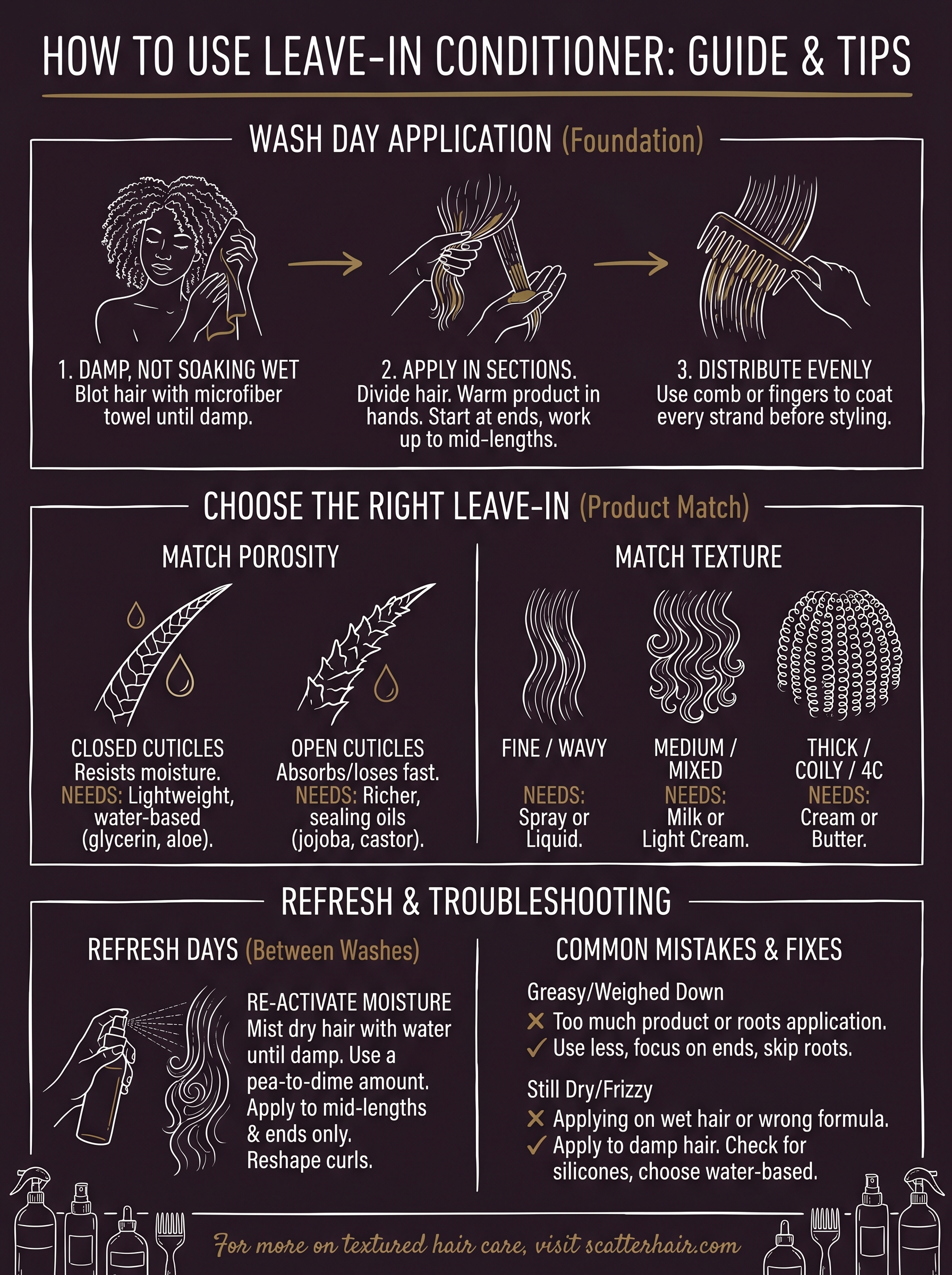
Leave-in conditioner works when you apply it to damp hair, not soaking wet hair, use the right formula for your porosity, and focus product on your mid-lengths and ends rather than your roots. Amount is everything: too much weighs your hair down, too little leaves it dry, and the right amount gives you soft, defined hair that holds its shape through the day. On refresh days, mist with water first, use a fraction of your wash day amount, and skip the roots entirely.
The technique you now have is a solid foundation, but it only goes as far as the products you pair it with. Textured hair needs styling products built specifically for it, not reformulated versions of what works on straight hair. Scatter is building a full lineup designed around that exact gap. Sign up for early access and be the first to know when the products launch.