

What Is Leave In Conditioner? Benefits, Uses, And Tips
If you've ever wondered what is leave in conditioner, here's the short answer: it's a conditioning product you apply to damp or dry hair and don't rinse out. It sits in your strands, delivering moisture, softness, and protection throughout the day. Simple concept, but the impact it can have on your hair, especially textured hair, is anything but simple.
For curls, coils, waves, and everything in between, moisture is the single biggest factor in whether your hair cooperates or fights back. Leave-in conditioner acts as a foundation layer that keeps hair hydrated, reduces frizz, and makes styling far less of a battle. It bridges the gap between washing and styling, and if you skip it, you're essentially asking your hair to perform without a safety net against dryness and breakage.
This article breaks down exactly how leave-in conditioner works, how it differs from the rinse-out kind, who benefits most from using it, and how to apply it correctly. At scatterhair, we're building styling products specifically for textured hair, products designed to work with your texture, not against it. So we know firsthand that great styling starts with proper prep, and leave-in conditioner is a critical part of that equation. Whether you're new to leave-ins or rethinking your current routine, this guide covers everything you need to make a smarter choice for your hair.
Why leave-in conditioner matters
Hair with texture, whether it's curly, coily, or wavy, has a structural characteristic that makes moisture retention harder than it is for straight hair. The natural oils from your scalp struggle to travel down the length of each strand because of the twists and bends along the shaft. That means the ends of your hair, which are the oldest and most fragile part, are also the driest. Without something working actively to seal in hydration, your hair is fighting a losing battle against dryness every single day.
Textured hair needs consistent hydration
Dryness in textured hair doesn't just feel uncomfortable, it shows up visibly in your style. Frizz, shrinkage, and brittle ends are almost always tied back to a lack of moisture inside the hair shaft. When your hair is dry, the cuticle layer lifts and makes each strand rough, porous, and harder to manage. A leave-in conditioner smooths that cuticle layer down, fills in the gaps along the strand, and gives your hair the water content it needs to stay flexible and strong throughout the day.
Consistently hydrated hair is also far more resistant to breakage, which means you hold onto length and see healthier strands over time.
Your hair also faces daily stress from friction, environmental exposure, and styling manipulation. Without a protective base layer, every brush stroke or style change pulls at dry, brittle strands and speeds up breakage. Leave-in conditioner acts as a buffer between your hair and those everyday stressors, reducing the wear that accumulates between wash days.
It makes your styling routine actually work
Once you understand what is leave in conditioner and start applying it correctly, you'll notice that everything else in your routine performs better. Styling creams, gels, and curl enhancers all grip and distribute more evenly on hair that's already been primed with moisture. Without a leave-in base, you're applying those products onto a dry, thirsty surface, and they'll either absorb too quickly, sit unevenly, or leave your hair feeling stiff and coated.
Think of it as prep work before the main event. A painter primes a wall before applying color, and you lay down a moisture foundation before layering your styling products. That sequence matters more than most people realize, and skipping it explains why so many people feel like their products aren't delivering the results they see others get.
Your wash day results also improve significantly. Defined curl patterns and reduced frizz aren't only about which curl cream you use. They depend on whether your hair had the hydration it needed before that product ever touched it. For a lot of people, leave-in conditioner is the missing step in a routine that otherwise seems fine on paper.
What leave-in conditioner is
At its core, leave-in conditioner is a lightweight conditioning product designed to stay in your hair after application rather than be rinsed away. Unlike traditional conditioners that you apply in the shower and wash out after a few minutes, a leave-in stays on your strands and keeps working well beyond your wash routine. Understanding what is leave in conditioner helps clarify why it belongs as its own dedicated step rather than a substitute for the rinse-out conditioner you already use. Both products serve different purposes, and removing one from your routine doesn't cover what the other does.
What goes into it
Leave-in conditioners are typically built around a base of water and humectants, which are ingredients that draw moisture into the hair shaft and hold it there. Common humectants include glycerin and panthenol, and most formulas also carry conditioning agents like cetyl alcohol or behentrimonium methosulfate that smooth the cuticle and reduce friction between strands. These ingredients work together to keep your hair soft, manageable, and less prone to tangling without leaving a heavy residue behind.
The goal of a leave-in is not to coat your hair heavily, but to replenish what your hair naturally loses between wash days.
The forms it comes in
Leave-in conditioners come in several formats, and the right one depends on your hair's density and porosity. Here's a quick breakdown of the most common options:
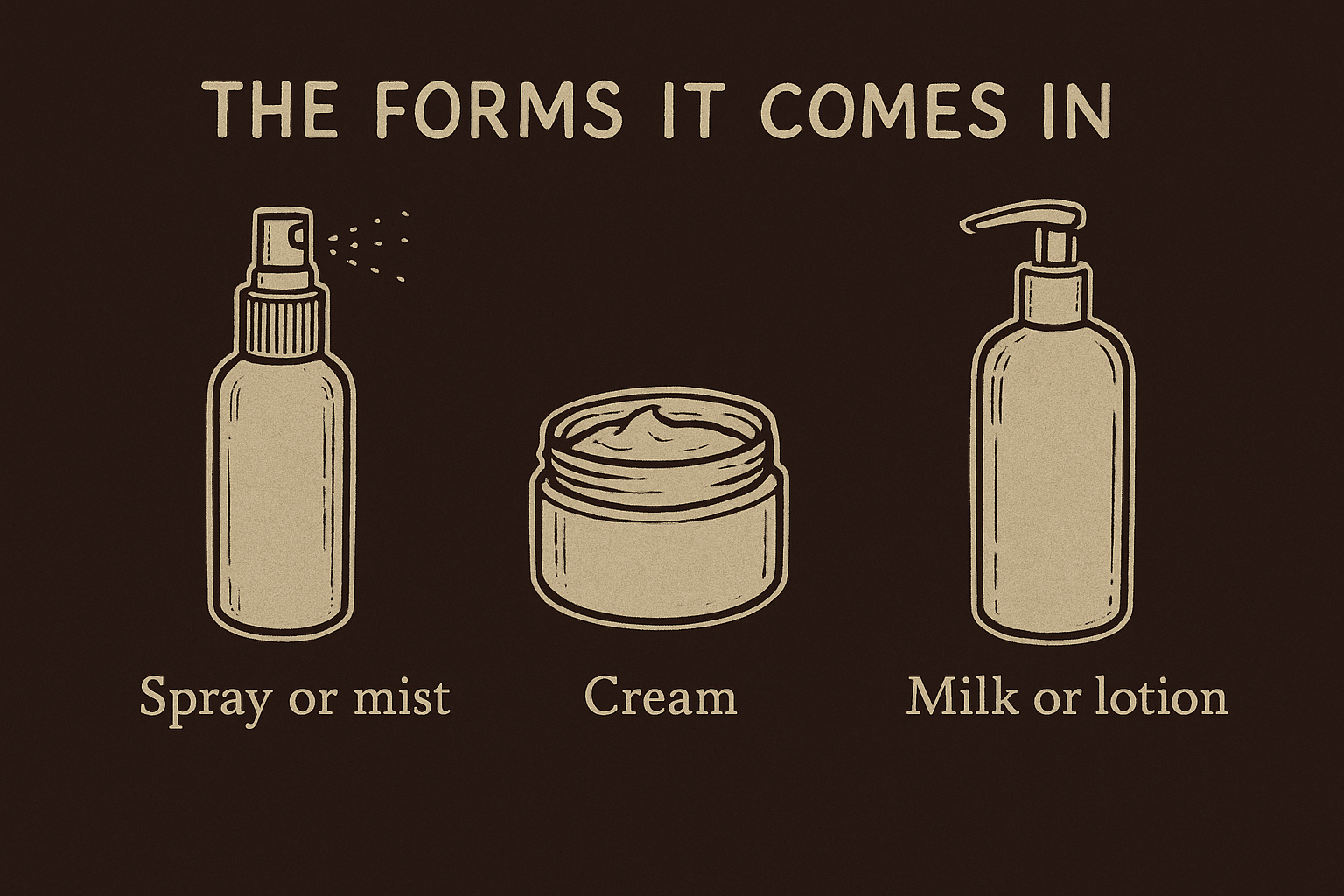
- Spray or mist: lightweight, best for fine or low-porosity hair that gets weighed down easily
- Cream: thicker and richer, ideal for medium to thick textured hair that needs deeper moisture
- Milk or lotion: sits between spray and cream, works well for wavy or loosely curly hair that needs balance without heaviness
Each format delivers the same core function. Your hair type and how much product it can absorb without feeling heavy will point you toward the right one.
Leave-in vs rinse-out conditioner
Both products condition your hair, but they work at different stages and for different purposes. Treating them as interchangeable is one of the most common mistakes people make, and it usually leads to hair that's either under-moisturized or overwhelmed by product. Knowing what each one does helps you use them together the right way.
What rinse-out conditioner does
Rinse-out conditioner works inside the shower and in a short window of time, usually two to five minutes. During that window, it softens the cuticle, temporarily replenishes lost moisture, and adds slip so detangling doesn't damage your hair. When you rinse it out, most of that conditioning effect goes with it. Your hair feels better immediately after washing, but that softness fades quickly, especially for textured hair that loses moisture fast once exposed to air and friction.
Rinse-out conditioner handles the immediate effects of washing; leave-in conditioner handles everything that comes after.
Why you need both
Once you understand what is leave in conditioner at its core, it becomes clear that the two products aren't competing, they're continuing the same job at different points. Rinse-out conditioner prepares your hair while it's in the shower, and leave-in conditioner extends that benefit through the rest of the day. Skipping the leave-in means your hair starts drying out the moment you step out of the shower, which undoes a lot of the work your rinse-out conditioner just did.
For textured hair specifically, one product alone isn't enough. Your hair's structure, with its bends, coils, and curl patterns, makes it harder to stay moisturized compared to straight hair. Layering both products gives your strands a stronger hydration foundation, reduces frizz before it starts, and sets you up for a style that actually holds throughout the day without falling apart by mid-afternoon.
How to use leave-in conditioner
Knowing what is leave in conditioner and knowing how to apply it correctly are two different things. Many people buy a leave-in, apply it the wrong way, and then assume the product isn't working for them. The application method matters just as much as what's in the bottle, and a few small adjustments can completely change your results.
Start with damp hair
Your hair needs to be damp, not dripping wet, when you apply a leave-in conditioner. Soaking wet hair dilutes the product and spreads it unevenly before it has a chance to absorb. Towel blot or scrunch out the excess water first so your strands are wet enough to absorb moisture but not so saturated that the leave-in slides off without penetrating the shaft.
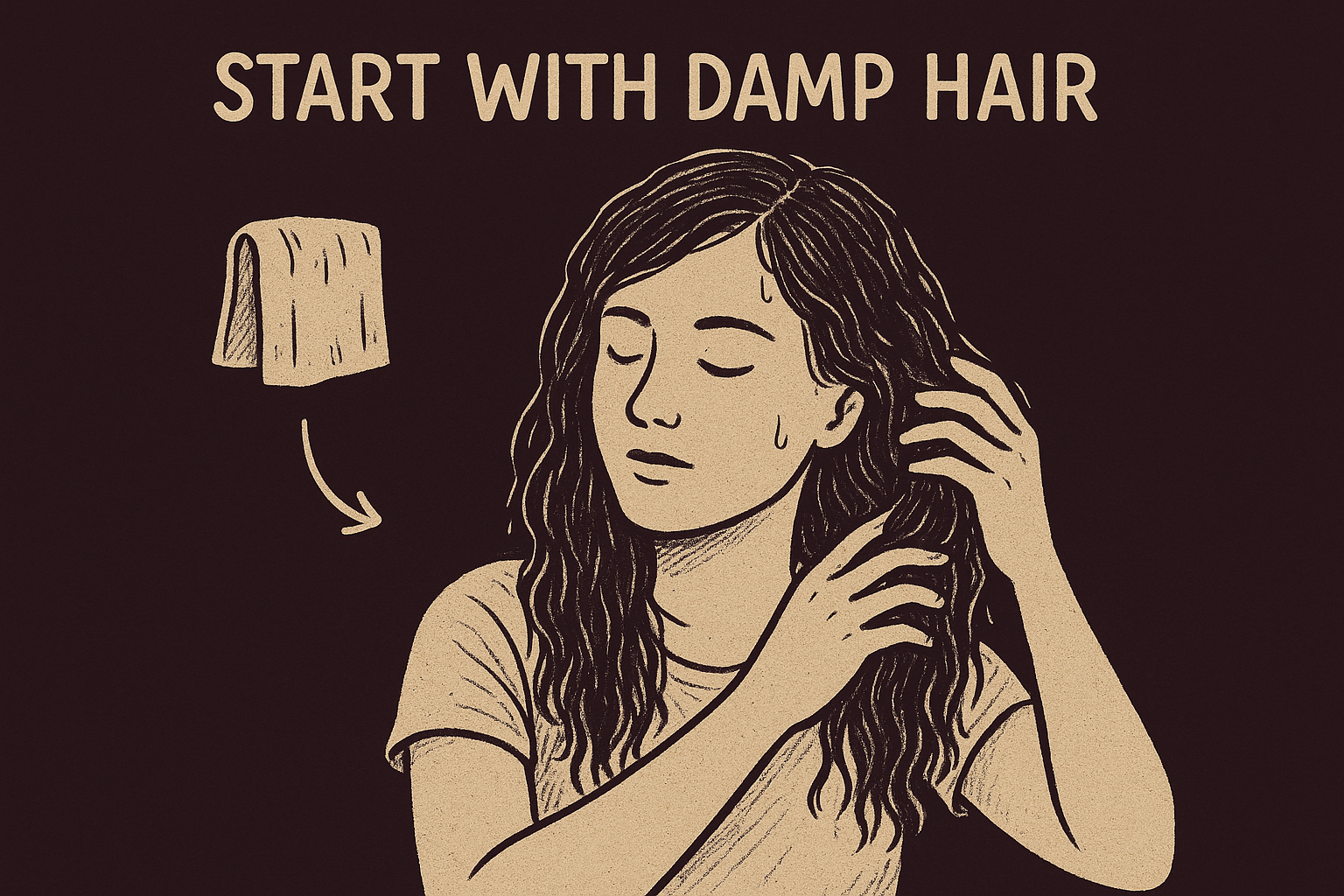
Apply your leave-in during that window immediately after washing when your hair cuticle is still open and most receptive to absorbing hydration. Waiting until your hair is already dry means the product sits on top of the strand rather than absorbing into it, which limits how much benefit you actually get.
The few minutes right after washing, while your hair is still damp, give you the best absorption window for any conditioning product.
Apply from mid-length to ends
Your ends are the driest and most fragile part of your hair because they're the oldest and furthest from your scalp's natural oils. Dispense a small amount into your palm, rub your hands together, and work it through your hair from the mid-lengths down to the tips. Avoid applying it directly to your roots, which can leave your scalp feeling greasy and weighed down without adding any real benefit.
Once the product is distributed, use your fingers or a wide-tooth comb to work through tangles while the product is still wet and slippery. This step reduces friction and breakage during detangling. From there, layer your styling products on top and continue your routine as normal.
How to pick the right leave-in
Once you understand what is leave in conditioner and how it works, the next step is matching the right product to your hair. Not every leave-in works well for every hair type, and picking the wrong one often leads to buildup, greasiness, or hair that still feels dry no matter how much product you apply. Two factors point you toward the right choice faster than anything else: your hair's porosity and its texture.
Match the formula to your porosity
Porosity describes how easily your hair absorbs and retains moisture. Low-porosity hair has a tightly packed cuticle that resists absorption, so heavy creams tend to sit on top of the strand and cause buildup. If your hair is low porosity, go with a lightweight spray or mist formula that absorbs quickly without weighing your hair down.
High-porosity hair absorbs moisture fast but loses it just as quickly, which means it needs a richer, thicker leave-in to hold hydration in place longer.
If your hair falls somewhere in between, a milk or lotion formula usually delivers the right balance of moisture and weight without tipping either way.
Factor in your hair's density and curl pattern
Thicker, denser hair with tight coils or kinks needs more product and a heavier formula to reach every strand. A light spray won't cut through the volume, and you'll end up with dry patches and uneven moisture distribution throughout your hair. Richer creams work better here because they penetrate through layers of dense curls more effectively.
Finer or loosely wavy hair sits at the other end of the spectrum. Too much product pulls the wave pattern down and leaves hair limp. A lightweight spray gives you the hydration benefit without sacrificing volume and natural movement. Start with a small amount and build up only if your hair still feels dry after the first application.
Quick recap
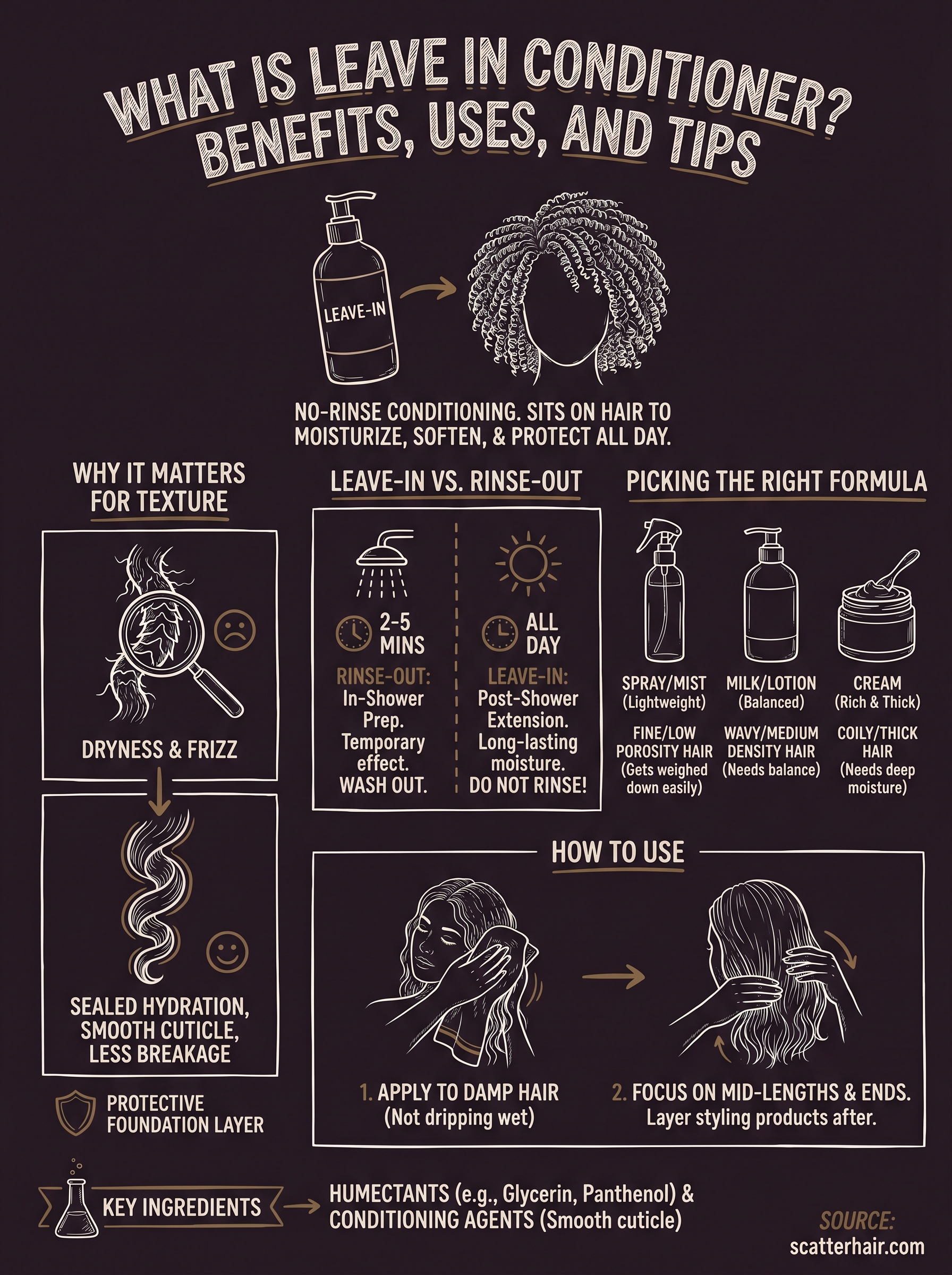
Now you know what is leave in conditioner and exactly why it earns a permanent spot in your routine. It's a no-rinse conditioning product that stays in your hair to deliver hydration, smooth the cuticle, and protect your strands between wash days. It works differently than your rinse-out conditioner and complements it rather than replacing it. Your hair's porosity and density point you toward the right formula, whether that's a lightweight spray, a lotion, or a rich cream. Apply it to damp hair, focus on your mid-lengths and ends, and let your styling products layer on top from there.
For textured hair, this step isn't optional. Consistent moisture is what keeps your curls, coils, and waves looking defined and feeling strong. If you're building a routine that works with your texture instead of against it, explore what Scatter is building for textured hair and get early access before the 2026 launch.