

What Is Scalp Care? Routines and Tips for Textured Hair
What Is Scalp Care? Routines and Tips for Textured Hair
Your hair feels dry. Your scalp itches. You see flakes on your shoulders or notice buildup after a few days. These problems frustrate people with textured hair because most mainstream haircare advice ignores the unique needs of coils, curls, and kinks. Your scalp deserves better attention than a quick wash and some product.
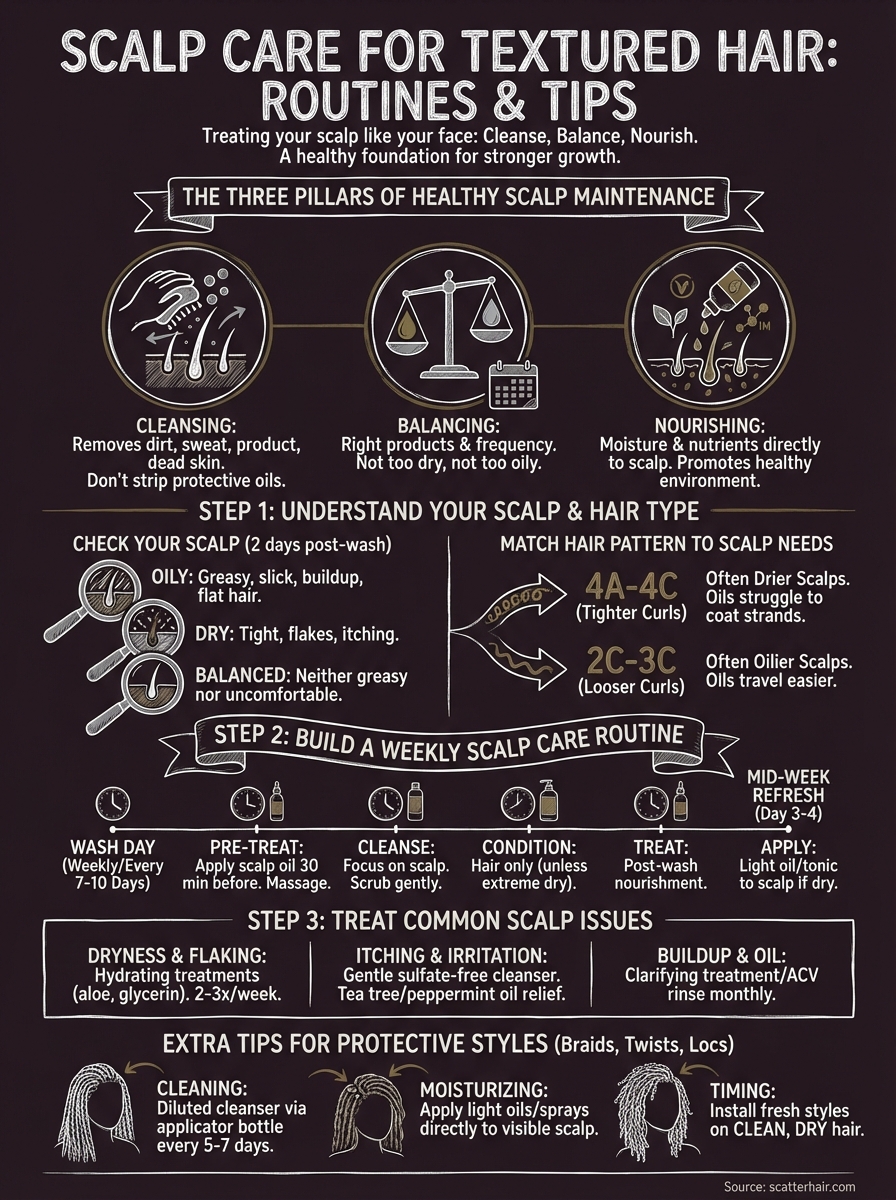
Scalp care means treating your scalp like you treat your face. Clean it properly. Keep it balanced. Nourish it. A healthy scalp grows stronger hair and holds styles longer. When you care for your scalp, you solve problems like dryness, irritation, and weak growth before they start. This matters even more for textured hair because your natural oils take longer to travel down each strand.
This guide breaks down what scalp care actually involves and how to build a routine that works. You'll learn how to identify your scalp type, create a weekly care schedule, fix common issues, and maintain your scalp through protective styles. No complicated steps or expensive treatments. Just practical advice you can use starting today.
What scalp care really is
Scalp care means maintaining the health of your scalp skin through regular cleansing, exfoliation, hydration, and treatment. Your scalp contains hair follicles, oil glands, and skin cells that need attention just like any other part of your body. When you ask what is scalp care, think of it as a dedicated routine that removes buildup, balances oil production, and creates the right environment for hair growth.
The three pillars of healthy scalp maintenance
Cleansing removes dirt, sweat, product residue, and dead skin cells that clog your follicles. You need to wash your scalp thoroughly without stripping away protective oils. Balancing keeps your scalp neither too dry nor too oily by using the right products and washing at the right frequency. Nourishing delivers moisture and nutrients directly to your scalp through treatments, oils, or targeted products.
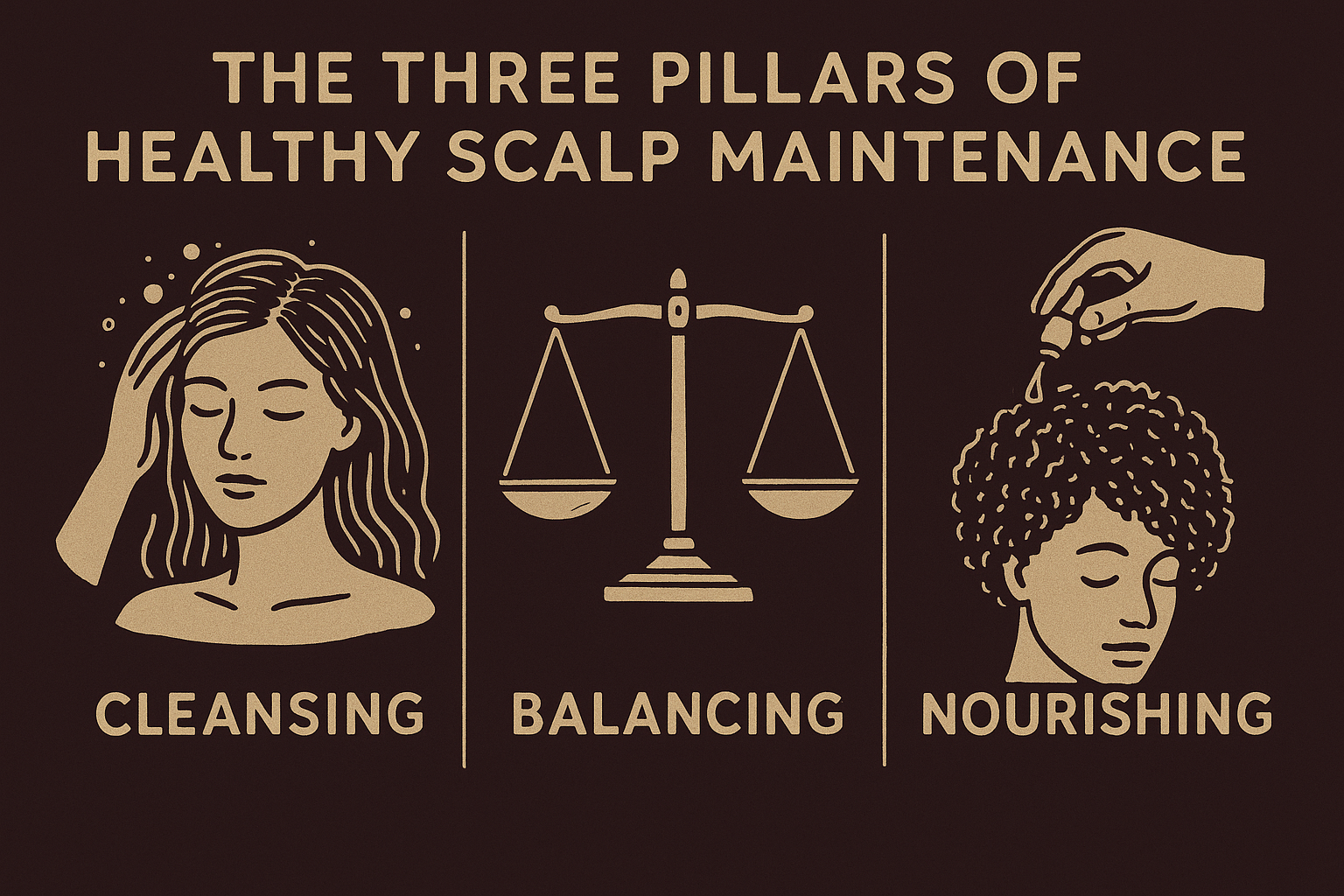
A healthy scalp grows stronger hair because your follicles work best when they're clean, balanced, and well-fed.
People with textured hair need scalp care even more because natural oils struggle to coat tighter curl patterns. This creates dryness at your scalp while your ends stay brittle. Regular scalp care fixes this imbalance and helps your hair retain length and strength.
Step 1. Understand your scalp and hair type
You cannot care for your scalp properly without knowing what type you have. Your scalp falls into one of three categories: oily, dry, or balanced. Identifying your type determines which products work and how often you need to wash. This step takes five minutes but saves you from wasting money on the wrong treatments.
Check your scalp between wash days
Touch your scalp two days after washing to feel the oil level. An oily scalp feels greasy and slick to the touch. You might see buildup around your hairline or notice your hair looks flat. A dry scalp feels tight, shows flakes, and often itches. Balanced scalps feel neither greasy nor uncomfortable and show no flaking or excessive shine.
Your scalp type can change with seasons, stress levels, and product use, so reassess every few months.
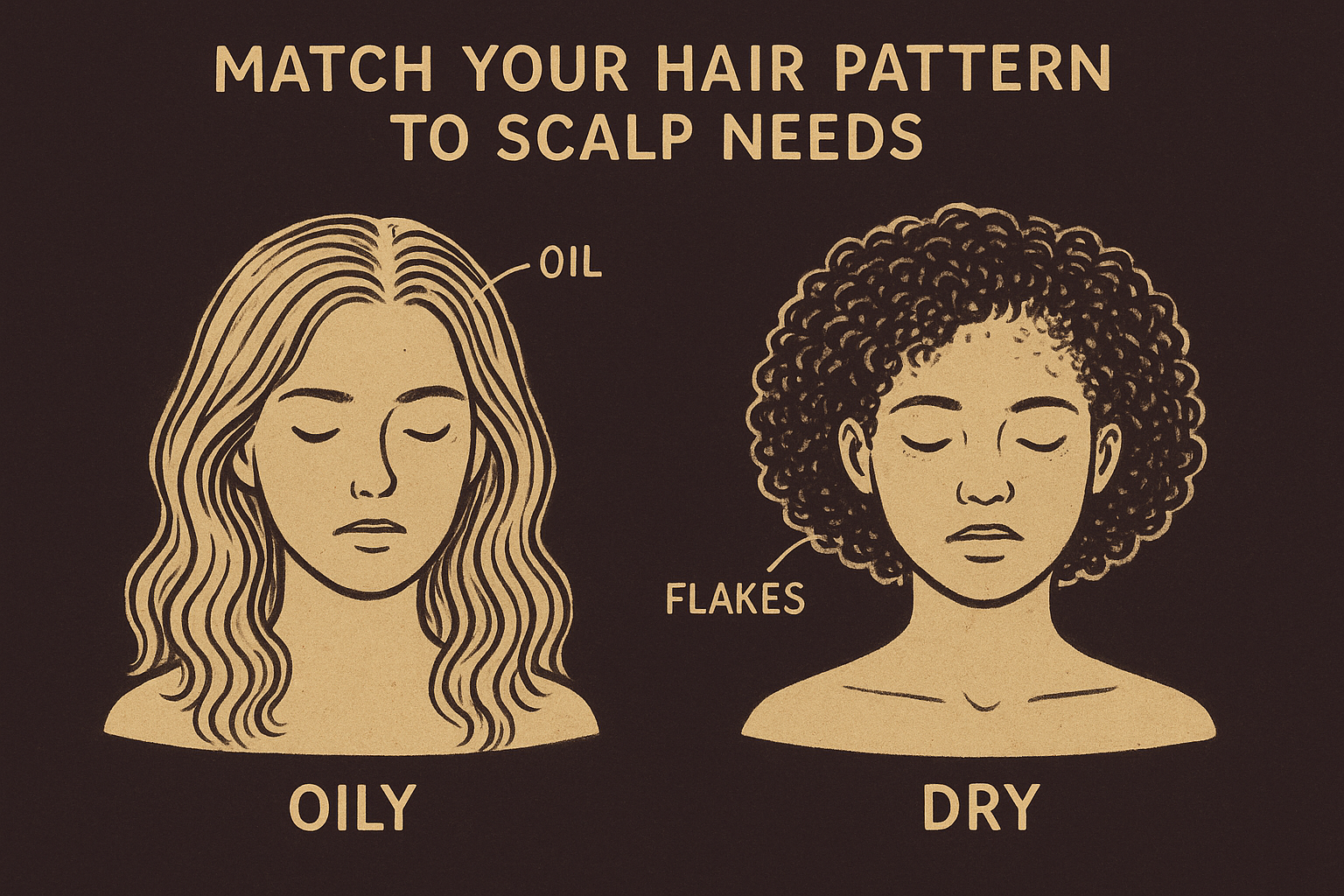
Match your hair pattern to scalp needs
Tighter curl patterns like 4A through 4C hair typically pair with drier scalps because natural oils struggle to coat each coil. Your scalp might produce enough oil, but it never reaches your ends. Looser curl patterns (2C through 3C) often deal with oilier scalps since oils travel down waves more easily. This mismatch means you need products that hydrate your scalp while keeping your roots from getting greasy. Understanding this connection helps you choose the right cleansers and treatments for both your scalp and your hair texture.
Step 2. Build a weekly scalp care routine
A weekly routine keeps your scalp healthy without overwhelming your schedule. Most people with textured hair benefit from washing once per week or every 7 to 10 days, depending on your scalp type and activity level. This frequency allows natural oils to coat your strands while preventing buildup that clogs follicles. Your routine should include pre-wash treatments, thorough cleansing, and post-wash nourishment spread across your wash day.
Create your wash schedule
Pick one consistent day each week for your full scalp care routine. Sunday or Saturday works well because you have more time for thorough cleaning and treatments. Between wash days, refresh your scalp with dry scalp treatments or light oils if you notice dryness or itching. Follow this weekly schedule for best results:
| Day | Action | Time Required |
|---|---|---|
| Wash Day | Pre-treatment, cleanse, condition, treat | 45-60 minutes |
| Day 3-4 | Apply light oil or tonic to scalp if dry | 5 minutes |
| Day 6-7 | Next wash day | 45-60 minutes |
Pre-wash preparation and treatment
Apply a scalp oil or pre-wash treatment 30 minutes before shampooing. Part your hair into four sections and apply the treatment directly to your scalp with fingertips or an applicator bottle. Massage gently for 2 to 3 minutes using circular motions to stimulate blood flow and loosen buildup. This step makes cleansing more effective and prevents your scalp from drying out during the wash process.
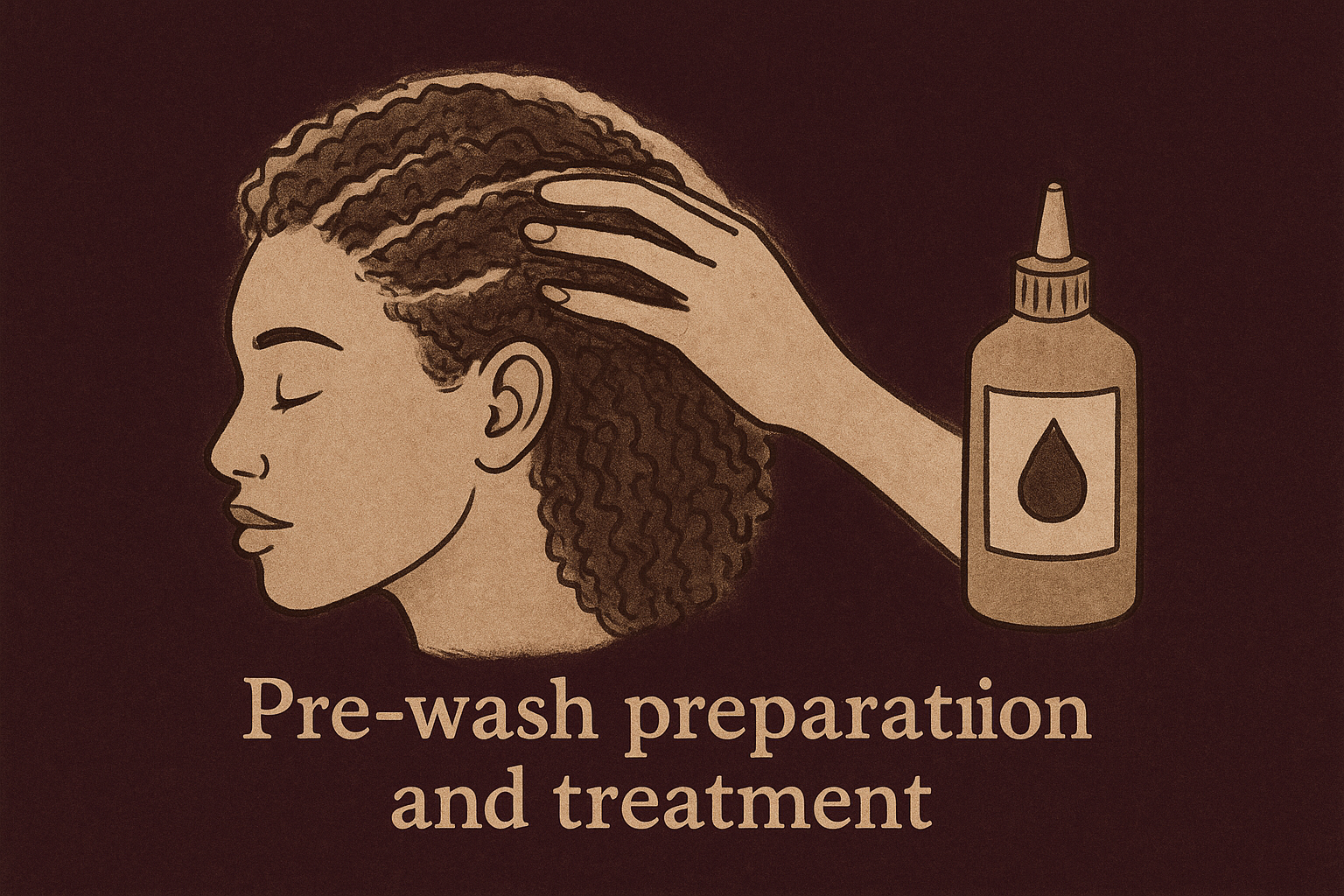
Pre-treating your scalp before washing removes stubborn buildup and protects your skin from harsh cleansing.
When you shampoo, focus on your scalp, not your hair. Use your fingertips to scrub in small circles across your entire scalp. Rinse thoroughly with warm water, then follow with a lightweight conditioner on your hair only. Skip conditioning your scalp unless you have extreme dryness.
Step 3. Treat common scalp issues
Your scalp shows specific symptoms when something needs attention. Dry scalp, itching, buildup, and flaking are the most common problems for textured hair. Each issue requires a different approach. You can fix most scalp problems at home using targeted treatments and adjusting your routine.
Address dryness and flaking
Dry scalp causes white flakes that easily brush off and often feels tight or uncomfortable. Apply a hydrating scalp treatment with ingredients like aloe vera, glycerin, or hyaluronic acid directly to your scalp between wash days. Use these treatments two to three times per week until symptoms improve. Mix equal parts water and coconut oil in a spray bottle and apply to dry areas daily for quick relief.
Dry scalp needs moisture added directly to the skin, while dandruff needs antifungal treatment with ingredients like tea tree oil or zinc pyrithione.
Stop itching and irritation
Itching signals inflammation, dryness, or product sensitivity. Switch to a gentle, sulfate-free cleanser and rinse thoroughly to remove all product residue. Apply diluted tea tree oil or peppermint oil to irritated areas for instant cooling relief. If itching persists beyond two weeks, check for signs of scalp conditions like seborrheic dermatitis that need stronger treatment.
Remove buildup and control oil
Product buildup creates a waxy layer on your scalp that blocks moisture and causes odor. Use a clarifying treatment or apple cider vinegar rinse once monthly to strip away residue. Mix one part apple cider vinegar with three parts water, apply to your scalp after shampooing, wait five minutes, then rinse completely.
Extra tips for protective styles and wash days
Protective styles like braids, twists, and locs keep your hair safe but can trap dirt and product on your scalp. Your scalp still needs regular cleaning and moisture even when your hair stays tucked away. Apply diluted cleanser or dry shampoo directly to your scalp using an applicator bottle with a nozzle tip every five to seven days between full washes.
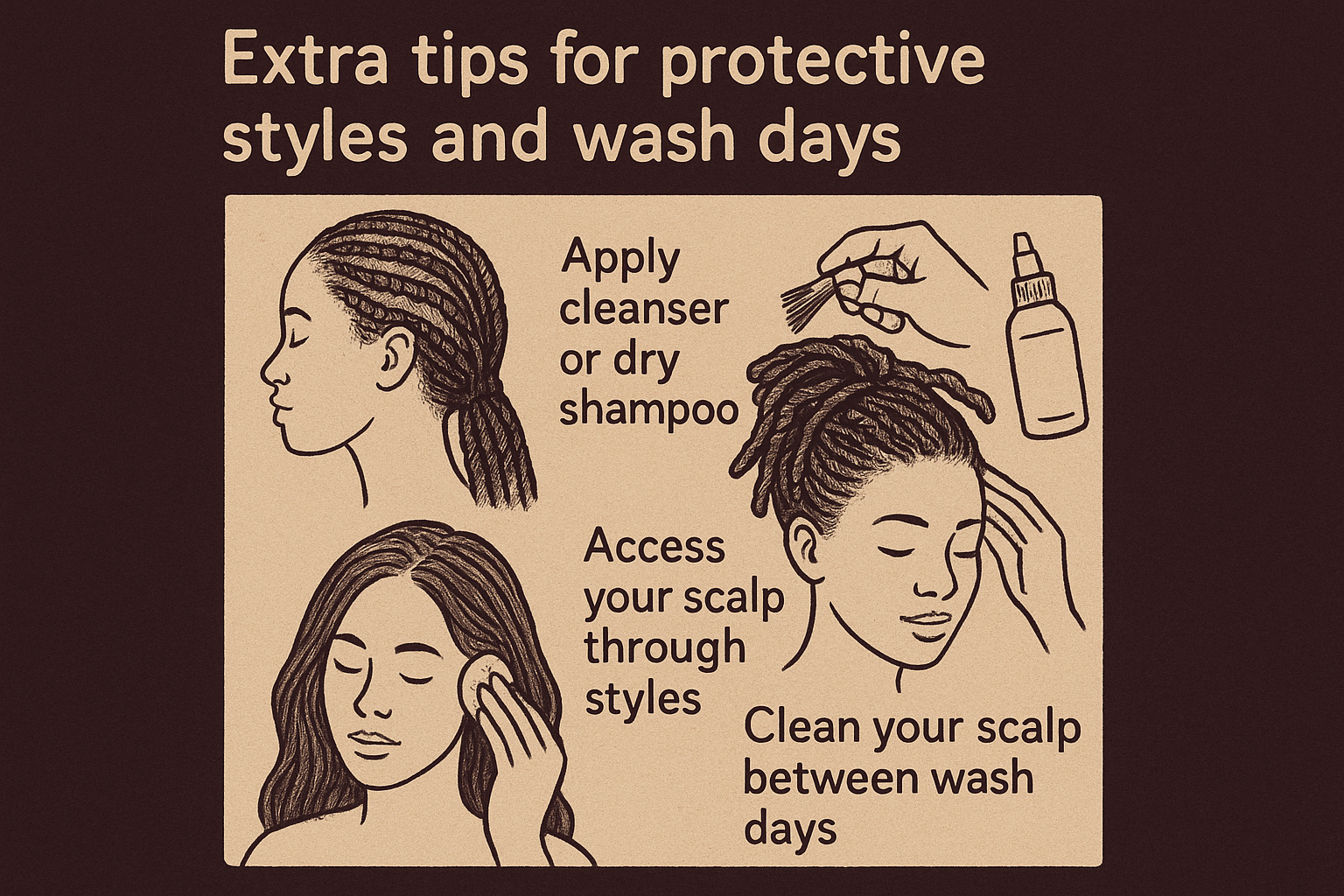
Access your scalp through styles
Part your braids or twists to reach your scalp with light oils or scalp sprays that contain water and aloe. Apply product directly to visible sections of your scalp, not over your style. Use a cotton pad soaked in witch hazel or rose water to clean your scalp between wash days without disturbing your protective style.
Keeping your scalp clean under protective styles prevents buildup that causes odor and blocks hair growth.
Time your wash days right
Install fresh protective styles on clean, dry hair to prevent mildew and odor. Wash your hair thoroughly before adding any style that lasts longer than two weeks. Plan to cleanse your scalp at least once every seven to ten days even while wearing protective styles.
Bring it all together
Now you know what is scalp care and why it matters for your textured hair. Start with these three actions: identify your scalp type, pick one weekly wash day, and address any current issues like dryness or buildup. Your scalp responds quickly when you give it consistent attention. Most people see improvements in two to four weeks once they establish a regular routine.
Remember that healthy hair starts at the scalp. When you clean, balance, and nourish your scalp properly, you create the foundation for stronger growth and easier styling. Your texture works with you instead of against you. Scatter Hair focuses on making styling effortless for textured hair, bringing you products designed for your unique needs. Take control of your scalp health today and watch your hair transform.