

14 Best Curly Hair Products for Defined, Frizz-Free Curls
You've bought the curl cream everyone raves about, followed the routine exactly, and still ended up with frizz by noon or curls so weighed down they barely move. That's usually not a technique problem. It's a product problem. Finding real curly hair hair products means matching formulas to your actual curl pattern and porosity instead of grabbing whatever has the biggest "curl girl approved" sticker on the label.
This list cuts through the noise and gets specific about what actually works. We're covering moisturizing products for curly hair that hydrate without leaving buildup, plus the gels, creams, and foams that give you defined curls that hold their shape through humidity, workouts, and long days. Whether your curls run loose and wavy or tight and coily, you'll find options built for your texture rather than a one-size-fits-all approach.
Below, you'll get 14 tested picks broken down by what they do best, from deep frizz control to lightweight everyday styling. We'll tell you which ones deliver on moisture, which hold curl memory the longest, and which are worth skipping so you can stop guessing and start building a routine that actually rewards your texture instead of fighting it.
1. Best leave-in conditioner for defined curls
A quality leave-in is the backbone of any curl routine, and it's the first product worth getting right before you touch gel or cream. Look for a lightweight, water-based formula loaded with slip agents like behentrimonium methosulfate or cetrimonium chloride, since these coat each strand without the greasy film that weighs curls down by afternoon. The best hair care products for curly hair in this category skip heavy silicones and mineral oil, relying instead on glycerin and panthenol to pull moisture into the hair shaft and keep it there through the day.
What it does
Think of a leave-in as the hydration layer that everything else builds on. It detangles wet hair, softens the cuticle, and creates the moisture base that curl cream or gel needs to actually define your ringlets instead of just gripping frizz. Without this step, most styling products curly hair users reach for tend to clump or flake because there's nothing underneath holding water in the strand.
Skipping the leave-in is the single biggest reason curl creams fail to define anything.
Who it's for
Anyone with curl patterns from loose waves to tight coils benefits from a leave-in, but it matters most for curly hair moisturizing products users battling dryness or porosity issues. High-porosity hair, which absorbs and loses moisture fast, needs a leave-in with humectants and a light protein boost to patch gaps in the cuticle. Low-porosity curls do better with thinner, water-based formulas that won't sit on top of strands and cause buildup.
How to use it
Apply the leave-in on soaking wet hair right after you step out of the shower, since curls absorb product best when the cuticle is open.
- Section hair into four to six parts for even distribution
- Apply a coin-sized amount per section, working from ends to roots
- Rake through with fingers or a wide-tooth comb
- Follow immediately with a curl cream or gel while hair is still dripping
Owning this order of operations matters more than the specific brand you pick.
Price range
Expect to pay somewhere between $12 and $28 for a full-size bottle, with drugstore lines sitting at the lower end and salon-quality formulas pushing closer to $30. A little goes a long way here, so even a modest bottle should last six to eight weeks with regular use. If you're testing hair styling products for curly hair for the first time, starting with a smaller travel size around $8 to $10 lets you check compatibility with your curl pattern before committing to the bigger bottle.
2. Best shampoo for curly hair
Most curl shampoos on shelves still lean on sulfates that strip the scalp and leave strands feeling like straw by the second day. A proper sulfate-free formula uses gentler surfactants like cocamidopropyl betaine or decyl glucoside, which lift dirt and product buildup without stripping the natural oils curly hair depends on to stay soft. If you're hunting for good hair products for curly routines, the shampoo step is where most people sabotage themselves before they even reach for a cream.
What it does
A curl-specific shampoo cleanses the scalp without disturbing the moisture balance further down the strand. It removes sweat, product residue, and environmental grime while keeping the cuticle smooth enough that your leave-in and cream can actually absorb afterward. Skipping this step or using a stripping formula undoes the work every other product in your routine is trying to do.
A shampoo that strips your scalp cancels out everything else in your curl routine.
Who it's for
Anyone building a serious routine around curly hair moisture products needs a gentle cleanser as the foundation. This matters most for color-treated curls or high-porosity strands, both of which lose moisture fast and can't afford a harsh sulfate wash stripping what little hydration they've retained.
How to use it
Wash once or twice a week, not daily.
- Focus the shampoo on your scalp, not the ends
- Massage gently with fingertips for 60 seconds
- Let the lather rinse down through the length naturally
- Follow immediately with conditioner while hair is still wet
Price range
Expect $10 to $25 for a full-size bottle, with most reliable sulfate-free options landing around $15 to $18.
3. Best conditioner for extra slip and moisture
Rinse-out conditioner does the heavy lifting that shampoo can't, coating strands in slip agents that let you comb through knots without snapping curls in the process. Look for a formula built around fatty alcohols like cetearyl alcohol paired with emollients such as shea butter or coconut oil, since this combination softens the cuticle and locks moisture into the shaft before you even step out of the shower. For anyone assembling curly hair moisture products into a real routine, this step matters as much as the leave-in that follows it.
What it does
Conditioner smooths the cuticle layer, reduces friction between strands, and replaces the moisture the shampoo step just stripped away. Good curly hair style products in this category leave hair feeling slick rather than coated, which tells you the formula absorbed instead of just sitting on top of the strand.
If your fingers can't glide through wet hair without catching, the conditioner isn't doing its job.
Who it's for
Curls with medium to high porosity see the biggest difference here, since they lose moisture fast and need that extra layer of slip to stay pliable between wash days. Thicker or coarser textures also benefit from a richer formula that can penetrate density without leaving hair limp.
How to use it
- Apply generously section by section on soaking wet hair
- Detangle with a wide-tooth comb before rinsing
- Rinse with cool water to help seal the cuticle
- Leave a light film behind if your curls run dry
Price range
Most quality conditioners run $10 to $22 for a full-size bottle, with richer, butter-based formulas sitting closer to the top of that range.
4. Best deep conditioning mask for dry curls
A weekly mask is where you fix damage that leave-in conditioner and rinse-out formulas can't touch on their own. Look for deep penetrating oils like avocado or babassu alongside hydrolyzed proteins that patch gaps in the cuticle, since curly strands are naturally more porous and lose moisture faster than straight hair ever does. Anyone searching for real hair treatment products for curly hair should treat this step as non-negotiable, not optional pampering.
What it does
A deep conditioning mask sits on the hair for an extended period, giving actives time to penetrate the cortex instead of just coating the surface the way a quick rinse-out does. It rebuilds elasticity in strands that have gone brittle from heat, color, or just dry air, and it restores the bounce that lets curls spring back into shape after a wash. This is the step that separates curly hair products for moisture that actually work from ones that only mask dryness temporarily.
A weekly mask fixes what daily conditioner can only patch over.
Who it's for
High-porosity curls and anyone dealing with heat or color damage will notice the biggest shift here. Coarser, denser textures also benefit since they need more product and more time for actives to reach the strand's core.
How to use it
- Apply to clean, damp hair in sections
- Cover with a shower cap and add gentle heat for 15 to 20 minutes
- Rinse thoroughly with cool water
- Use once weekly, or every other week for lower-porosity curls
Price range
Masks typically run $15 to $30 for a jar that lasts two to three months with weekly use, though salon-grade formulas with concentrated proteins can climb toward $35.
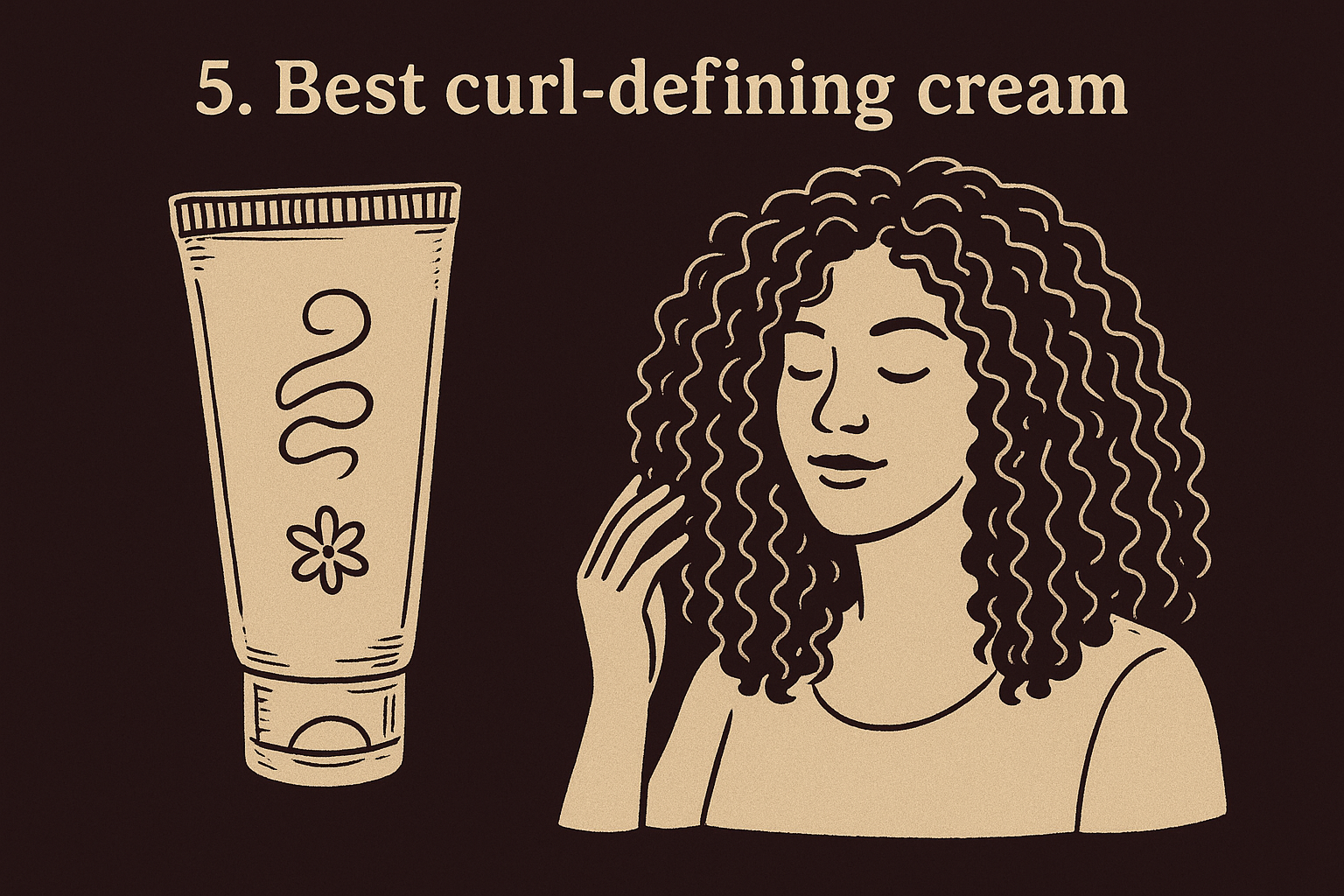
5. Best curl-defining cream
Curl cream is where most people finally get the shape and hold they've been chasing since they started building a routine. Look for a formula anchored by shea butter or mango butter combined with a light film-forming agent like flaxseed extract, since this pairing coats each curl without gluing strands together into stiff clumps. The best curly hair style products in this category strike a balance between hold and softness, giving you definition that still moves and feels touchable by hour two.
What it does
Cream defines the individual curl pattern by grouping strands together and smoothing the cuticle so each ringlet forms cleanly instead of splitting into frizz. It seals in the moisture your leave-in already deposited, acting as a protective layer between your curls and the humidity trying to undo your work. Applied correctly, it's the difference between separated, bouncy curls and a frizzy halo by midday.
Curl cream defines the shape; it doesn't create moisture that isn't already there.
Who it's for
Medium to coarse curl patterns get the most out of a rich cream, since finer or looser waves can end up weighed down. If your curls fall into the loose spiral category, look for a lighter version of this formula so you're not fighting flatness by afternoon.
How to use it
- Apply to soaking wet, leave-in-treated hair
- Rake through in sections using fingers or a comb
- Scrunch gently from ends toward roots to encourage clumping
- Avoid touching curls again until fully dry
Price range
Expect to pay $14 to $26 for a full-size jar, with most solid options landing around $18 to $20. A jar typically lasts six to ten weeks depending on curl length and density.
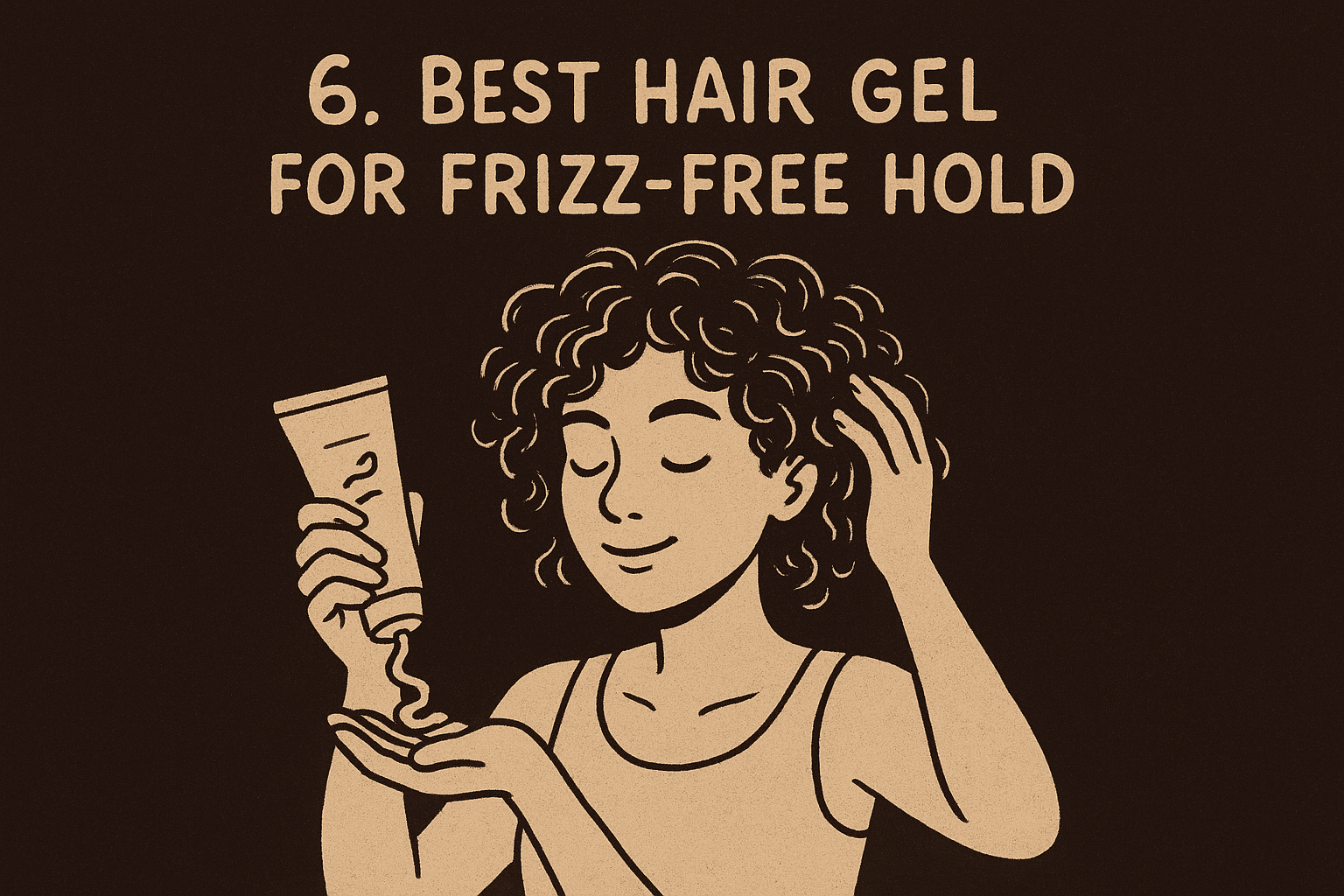
6. Best hair gel for frizz-free hold
Gel gets a bad reputation for crunch and stiffness, but a well-formulated one is what actually locks your curl pattern in place through humidity, workouts, and long shifts. Look for a formula built on polyquaternium polymers or flaxseed gel rather than harsh alcohol-based holds, since these create a flexible cast that cracks away into soft, bouncy curls once you scrunch it out. If you've tried other hair styling products for curly hair and still ended up with frizz by lunch, gel is usually the missing piece, not the cream.
What it does
Gel forms a temporary cast around each curl that holds its shape while the strand dries, which stops humidity and friction from puffing it out into frizz. Underneath that cast, moisture from your leave-in and cream stays locked in rather than evaporating out as the hair sets. Once dry, breaking the cast with your palms reveals defined, separated curls instead of a stiff, sticky clump.
The cast is doing the work; scrunching it out is what reveals the curl underneath.
Who it's for
Anyone battling frizz in humid climates or gym-goers who need curls to survive sweat and movement will get the most mileage from gel. Looser wave patterns should stick to a thin layer, while tighter coils can layer gel generously without weighing curls down.
How to use it
- Apply on top of cream while hair is still wet, working section by section
- Use enough to feel slightly stiff or tacky once dry
- Air dry or diffuse without touching
- Scrunch out the cast once hair is 100% dry, never before
Price range
Most solid gels run $10 to $22 for a full-size bottle, and a bottle typically lasts two to three months with regular use.
7. Best mousse for volume and bounce
Mousse solves a problem gel and cream can't fix on their own: flat roots and curls that clump into heavy, rope-like sections instead of staying light and separated. Look for a formula whipped with air-based propellants and a touch of polymer hold, since this structure lifts hair at the root while still letting individual curls spring rather than fall under their own weight. If you're stacking hair styling products for curly hair and still ending up with a flat crown by afternoon, mousse is usually the layer you're missing.
What it does
Mousse adds lift and body without the density that heavier creams bring to the table. It works by distributing a light, airy foam through the strand that dries into a soft, flexible hold, giving curls volume at the root and bounce along the length instead of weighing everything down toward the scalp. Paired underneath gel, it also helps prevent that clumped, wet-look flatness some curl types fall into by day's end.
Volume comes from the root, and mousse is the only product built to lift it there.
Who it's for
Fine to medium curl patterns benefit the most, especially anyone whose curls tend to fall flat or clump into thick sections rather than staying separated. Thicker, denser textures can still use mousse, but usually as a root-lifting step rather than an all-over product.
How to use it
- Shake the can and dispense a golf-ball amount into your palm
- Apply at the roots first, then work through mid-lengths
- Flip hair upside down while diffusing for extra lift
- Layer under, not over, cream or gel
Price range
Expect $9 to $20 for a full-size can, with most reliable options landing around $12 to $15. A can typically lasts two to three months with regular root application.
8. Best hair oil to seal in moisture
Oil is the final lock on everything you've already applied, not a replacement for the water-based steps before it. Look for lightweight oils like jojoba or grapeseed that mimic your scalp's natural sebum, since heavier oils like coconut can penetrate the shaft but often weigh down finer curl patterns when used all over. For anyone chasing curly hair moisture products that actually hold up through the day, oil is what keeps the hydration from earlier steps from evaporating out by noon.
What it does
Oil creates a barrier on the outside of the strand that slows water loss, which matters because curly hair's raised cuticle structure lets moisture escape faster than straight hair ever does. Used sparingly on top of cream or gel, it also adds shine and softens any crunch left behind from the styling cast. This is a sealing step, not a moisturizing one.
Oil traps the moisture you already put in; it can't add moisture that isn't there.
Who it's for
Dry ends, low-porosity curls prone to buildup, and anyone in a dry climate benefit most from a daily light application. Fine or loose wave patterns should stick to a few drops on the ends only, since oil applied at the root tends to flatten volume fast.
How to use it
- Warm a few drops between your palms first
- Smooth over ends and mid-lengths, avoiding the scalp unless treating dandruff
- Apply after styling is fully dry, not before
- Reapply lightly on day two or three between washes
Price range
A bottle typically runs $8 to $20 depending on the oil blend, and a small 2-ounce bottle can last three to four months since a little goes a long way.
9. Best co-wash for gentle cleansing
Co-washing swaps traditional shampoo for a conditioner-based cleanser that removes light dirt and sweat without stripping the scalp's natural oils. Look for a formula built around cleansing conditioners with mild surfactants like cocamidopropyl betaine blended into a moisturizing base of glycerin or aloe, since this combination lifts grime while still coating strands in slip. If your search for curly hair moisture products keeps leading back to dryness complaints, swapping in a co-wash between full shampoo days often solves it.
What it does
A co-wash cleans without the harsh detergent action of shampoo, which means it leaves behind a thin conditioning film instead of a squeaky-clean scalp. It's not a deep clean, and it won't remove heavy product buildup or oil-based styling residue on its own. What it does well is refresh curls between wash days while keeping moisture levels intact.
A co-wash refreshes curls; it doesn't replace the deep clean shampoo provides.
Who it's for
High-porosity and dry curl types get the most benefit here, since they can't afford the moisture loss that comes with frequent sulfate washing. Anyone stretching wash days to twice a week or less will find a co-wash extends that gap comfortably.
How to use it
- Apply generously on wet hair, focusing on the scalp
- Massage gently with fingertips for a full minute
- Rinse thoroughly, then follow with a rinse-out conditioner
- Use between full shampoo washes, not as a total replacement
Price range
Expect $10 to $20 for a full-size bottle, and a bottle typically lasts one to two months when used two to three times weekly alongside your usual shampoo rotation.
10. Best detangler for knot-free wash days
Detangling is where most curl breakage actually happens, usually from dragging a brush through dry, tangled curls instead of working with wet, slip-coated strands. Look for a formula built around slip-boosting emollients like marshmallow root extract or slippery elm, paired with a light conditioning base, since these ingredients let knots slide apart instead of snapping strands as you comb. For anyone stacking hair care products for curly hair into a real routine, a dedicated detangler earns its spot by preventing the split ends that heavier styling products can't fix afterward.
What it does
A detangler coats each strand in a slick film that reduces friction between overlapping curls, which is exactly where knots form in the first place. It softens the hair enough that a wide-tooth comb or your fingers can glide through without catching, cutting down on the mechanical damage that adds up over months of rough wash days. Used before your leave-in, it also preps the strand to absorb moisture more evenly.
Most curl breakage happens during detangling, not styling.
Who it's for
Dense, coily textures with a lot of shrinkage benefit most, since tighter curl patterns tangle fastest and snap easiest under dry combing. Anyone with fine or fragile strands prone to breakage should also keep a detangler in rotation year-round, not just on wash day.
How to use it
- Spray or apply generously on soaking wet hair before shampoo or conditioner
- Finger-detangle first to loosen major knots
- Follow with a wide-tooth comb from ends to roots
- Rinse or leave in depending on the formula's instructions
Price range
Expect $8 to $18 for a full-size bottle, with most reliable formulas landing around $12. A bottle typically lasts two to three months with weekly use.
11. Best heat protectant for curly hair
Diffusing on high or straightening curls occasionally still means exposing strands to heat they weren't built to handle. Look for a formula built around heat-activated polymers like PVP or cyclomethicone, since these create a thin barrier that shields the cuticle from temperatures above 300°F without leaving behind the greasy residue that heavier silicones cause. If you're adding hair styling products for curly hair to your diffusing routine, skipping this step is how curl elasticity quietly disappears over a few months.
What it does
A heat protectant forms a molecular shield around each strand that slows heat transfer into the cortex, which is where the actual protein damage happens. It reduces moisture loss during blow drying or diffusing, keeping curls from coming out crispy or over-dried even after direct heat exposure. Without it, repeated diffusing sessions gradually strip elasticity, and curls stop bouncing back the way they used to.
Skip the heat protectant enough times, and your curl pattern loses its bounce for good.
Who it's for
Anyone diffusing regularly or reaching for a flat iron on occasion needs this in rotation, especially fine or color-treated curls that damage fastest under direct heat. Curls that already run dry or high-porosity should treat this as mandatory, not optional, since they have the least moisture reserve to lose.
How to use it
- Apply to damp hair after leave-in, before cream or gel
- Focus on mid-lengths and ends, where damage shows first
- Use before any diffusing, blow drying, or flat ironing
- Reapply if re-styling with heat on day two
Price range
Expect $10 to $20 for a full-size bottle, with most reliable sprays landing around $14. A bottle typically lasts two to three months with regular diffusing use.
12. Best clarifying scalp rinse
Buildup from co-washes, gels, and oils piles up on the scalp faster than most curl routines account for, and a monthly clarifying rinse is what actually clears it out. Look for a formula built around apple cider vinegar or salicylic acid, since these gently dissolve product residue and mineral deposits from hard water without the harsh stripping a full clarifying shampoo causes. Anyone chasing real curly hair moisturizing products results but still seeing flat, dull curls is often dealing with buildup, not dryness.
What it does
A clarifying rinse resets the scalp by dissolving the waxy film that gels, creams, and oils leave behind over weeks of layering. Once that film lifts, every product applied afterward absorbs better, since strands aren't fighting through a barrier of old residue to reach the cuticle. It also balances scalp pH, which cuts down on itchiness and flaking that regular shampoo can miss.
Buildup blocks moisture from reaching the strand, no matter how good the product underneath actually is.
Who it's for
Heavy product users and anyone dealing with hard water mineral buildup need this most, especially if curls feel coated or dull despite a solid moisture routine. Low-porosity curls, which are already prone to product sitting on top of strands rather than absorbing, benefit from a rinse every two to four weeks.
How to use it
- Apply to wet hair before shampoo, focusing on the scalp
- Massage for one to two minutes, letting it sit briefly if using acid-based formulas
- Rinse thoroughly, then follow with a moisturizing shampoo and conditioner
- Limit use to once every two to four weeks to avoid over-drying
Price range
Expect $8 to $18 for a full-size bottle, and a bottle typically lasts four to six months given how infrequently it's used.
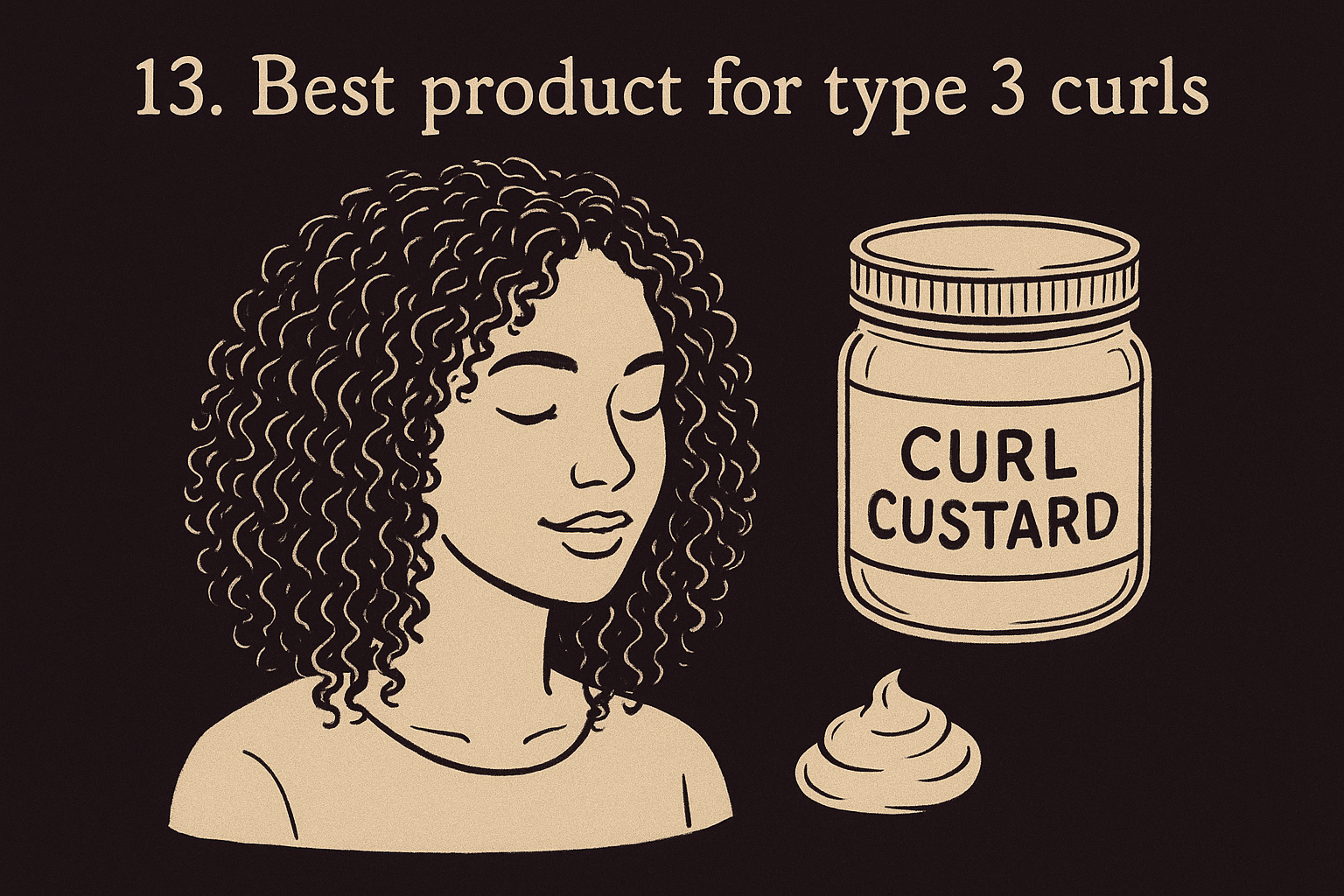
13. Best product for type 3 curls
Type 3 curls, the springy S-shaped ringlets that range from loose 3A waves to tighter 3C corkscrews, respond best to a lightweight curl custard built around a lighter ratio of butters to water than what tighter textures need. Look for a formula anchored by aloe vera juice and a touch of flaxseed gel, since this combination defines the curl without the heavier shea concentration that can drag 3A and 3B patterns flat by afternoon. Anyone searching for curly hair style products that actually match this texture should skip anything marketed as "intense hold," since type 3 curls usually need definition more than a stiff cast.
What it does
This custard clumps individual ringlets into tight, springy sections while keeping enough flexibility that the curl still bounces with movement instead of setting into a helmet shape. It controls frizz along the shaft, which is where type 3 patterns tend to puff first, without smothering the natural shine this texture already carries.
Type 3 curls need definition, not density, and a heavy cream works against that every time.
Who it's for
This suits anyone with visible, well-formed ringlets that hold their shape on their own but frizz easily in humidity or after sleeping on them. It's not the right pick for tighter 4A or 4B coils, which need a richer, more emollient formula to combat shrinkage and dryness.
How to use it
- Apply to soaking wet hair after leave-in
- Scrunch upward in small sections to encourage clumping
- Diffuse on low heat or air dry without touching
- Refresh day two with a water and leave-in spritz
Price range
Expect $14 to $24 for a full-size jar, with most solid custards landing around $18. A jar typically lasts eight to ten weeks with regular use.
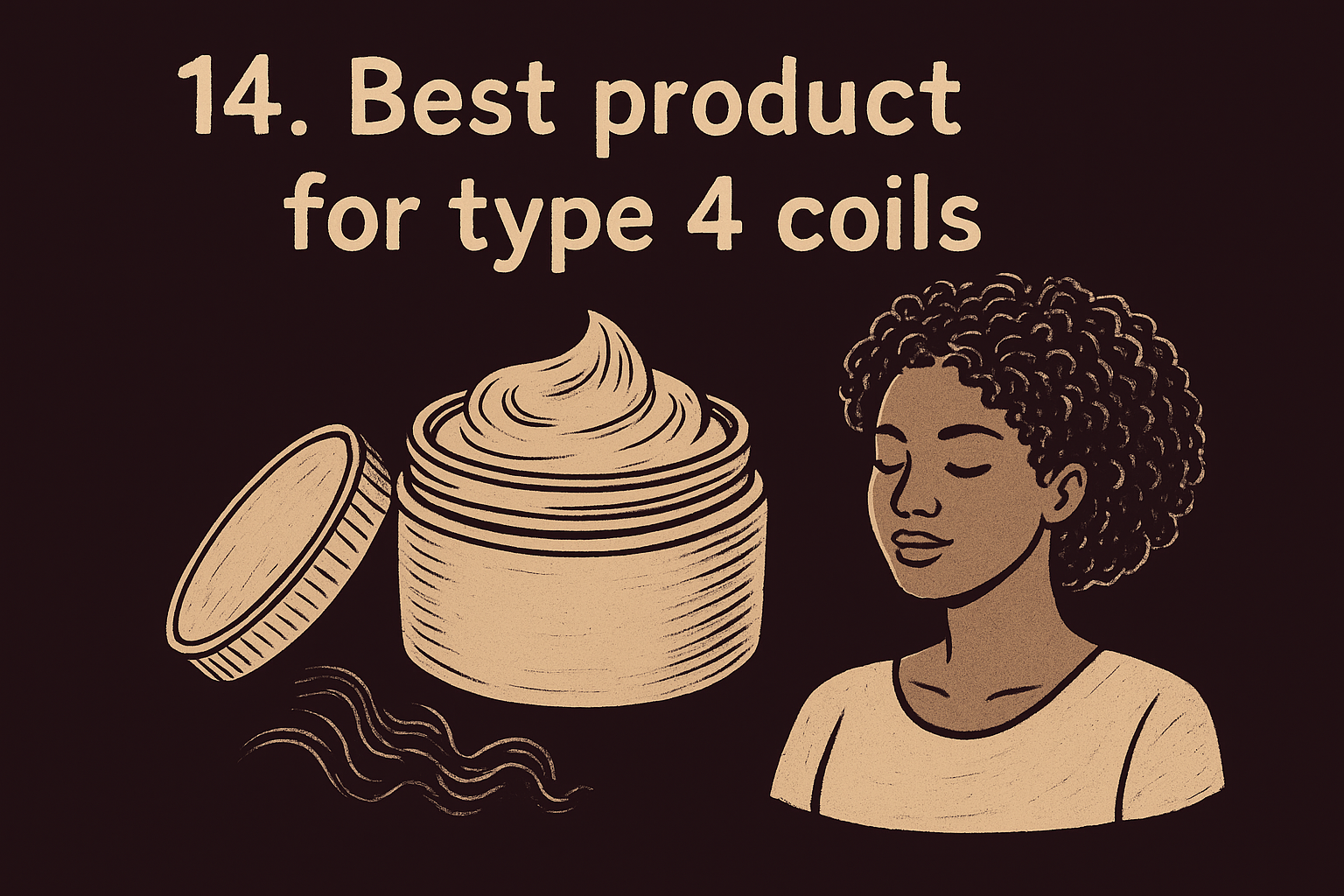
14. Best product for type 4 coils
Type 4 coils, the tightest curl pattern ranging from springy 4A ringlets to the densely packed zigzags of 4C, need a rich butter cream built around a higher ratio of shea or mango butter to water than any other texture on this list. Look for a formula that layers in castor oil or cocoa butter alongside the base, since coils shrink up to 70% from their stretched length and need serious slip and emollience to stay elongated and moisturized instead of coiling into a tight, dry knot. If you've tried lighter curly hair moisturizing products and watched them disappear into thin air on 4C strands, this is the texture where richness actually earns its place.
What it does
This cream coats each tightly wound coil in a heavy, moisture-sealing layer that slows the rapid water loss coily hair is prone to, thanks to a cuticle structure that's more open and porous than looser curl types. It elongates shrinkage temporarily during styling, giving coils definition and stretch that would otherwise curl up into a compact, undefined puff within minutes of drying.
Type 4 coils lose moisture faster than any other curl pattern, which is exactly why they need the richest formula on the shelf.
Who it's for
This suits anyone with 4A through 4C coils dealing with dryness, shrinkage, or breakage at the ends, where coily hair is oldest and most fragile. It's not necessary for looser 3A or 3B waves, which will look weighed down and greasy under this much butter.
How to use it
- Apply generously to soaking wet, leave-in-treated hair in small sections
- Use the praying-hands method to smooth and elongate each section
- Twist or braid for stretch if you want extra length retention
- Seal ends separately with an extra dab of cream or oil
Price range
Expect $16 to $28 for a full-size jar, with most solid options landing around $20. A jar typically lasts six to eight weeks given how much product dense coils require per application.
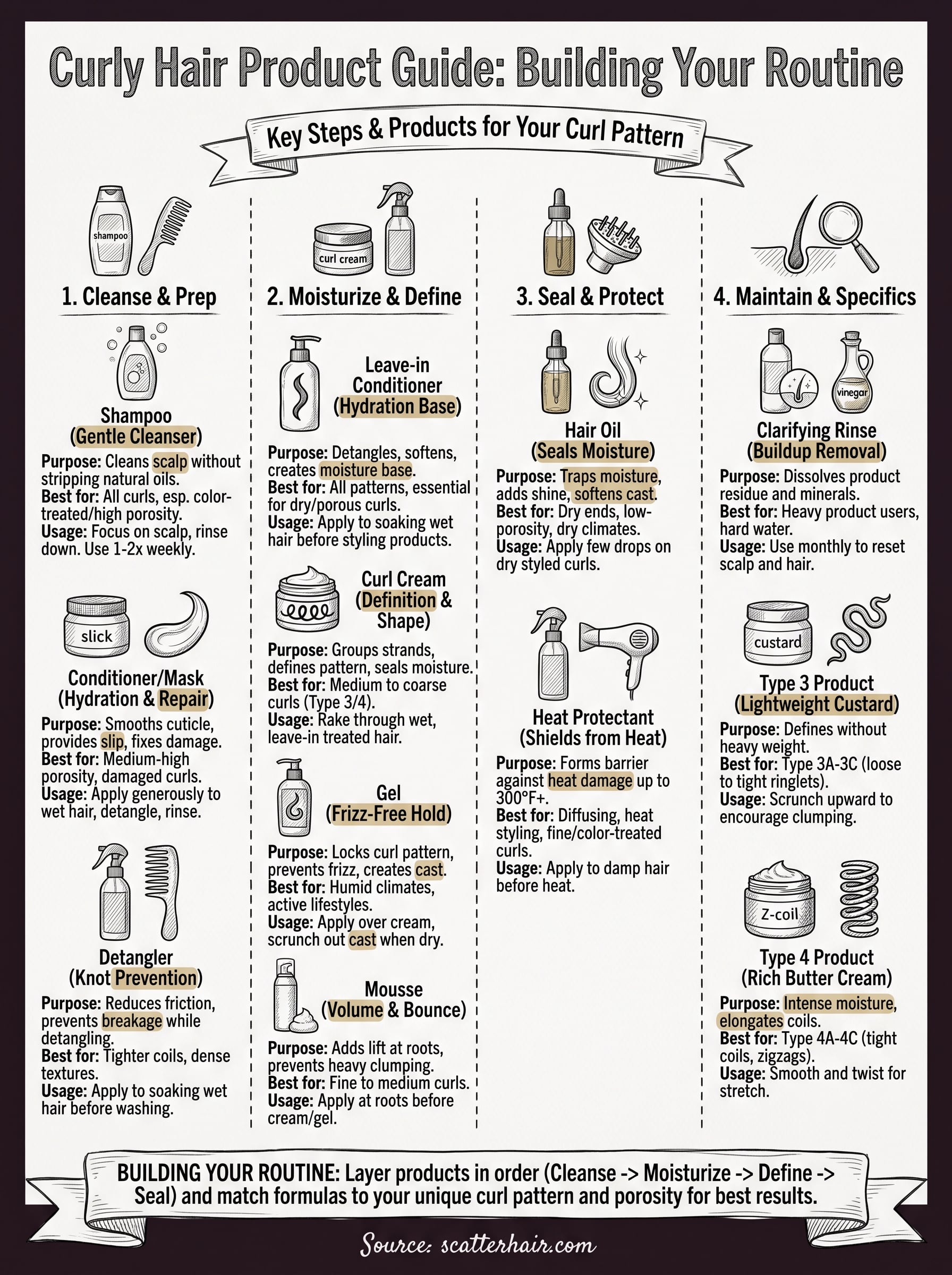
Building a routine that works for your curls
Great curls come down to layering the right products in the right order, not chasing whatever's trending this month. Start with a gentle cleanser, build moisture with your leave-in and conditioner, then seal it all in with cream, gel, or oil suited to your specific curl pattern and porosity. Skip a step, and the whole routine falls apart no matter how good each individual bottle is.
Once you've matched formulas to your texture, the guesswork disappears. Frizz control and definition stop feeling like luck and start feeling like a system you can repeat every wash day. Give any new product three to four washes before judging it, since curls need time to adjust to a changed moisture balance.
Still hunting for products actually built around textured hair instead of adapted from straight-hair formulas? Sign up for early access at Scatter and get first pick when the line launches in 2026.