

What Is Hair Porosity? Tests, Types, And What It Means
What is hair porosity? It's how well your hair absorbs and holds moisture. Think of your hair strands as having tiny scales on the outside, kind of like roof shingles. When those scales lay flat and tight, moisture has trouble getting in. When they're raised or damaged, moisture flows in easily but also escapes just as fast. This simple concept explains why your friend's hair routine works perfectly for them but leaves your hair looking like a frizzy mess.
You're about to learn how to identify your porosity type and what it actually means for your daily styling routine. We'll walk you through simple at-home tests you can do right now, break down the three porosity levels, and show you how to adjust your products and techniques based on your results. By the end, you'll understand exactly why your hair behaves the way it does and how to work with it instead of against it.
Hair porosity in plain English
Your hair strand has three layers, but the outermost one is the only one that matters when we talk about what is hair porosity. This outer layer, called the cuticle, consists of overlapping cells that look like scales or shingles on a roof. When these scales sit tight and flat against the hair shaft, you have low porosity. When they lift up and spread apart, you have high porosity. The space between is medium porosity, where the scales are slightly raised but not completely open.
The cuticle layer explained
Picture a pine cone. When it's closed, water barely gets inside. When it opens up, water soaks right through. Your hair cuticle works the same way. Each strand has between six and ten layers of these overlapping cuticle cells, and their position determines how easily water and products penetrate your hair. Genetics decides your natural porosity level, but heat styling, chemical treatments, and even harsh weather can damage these scales and change your porosity over time.
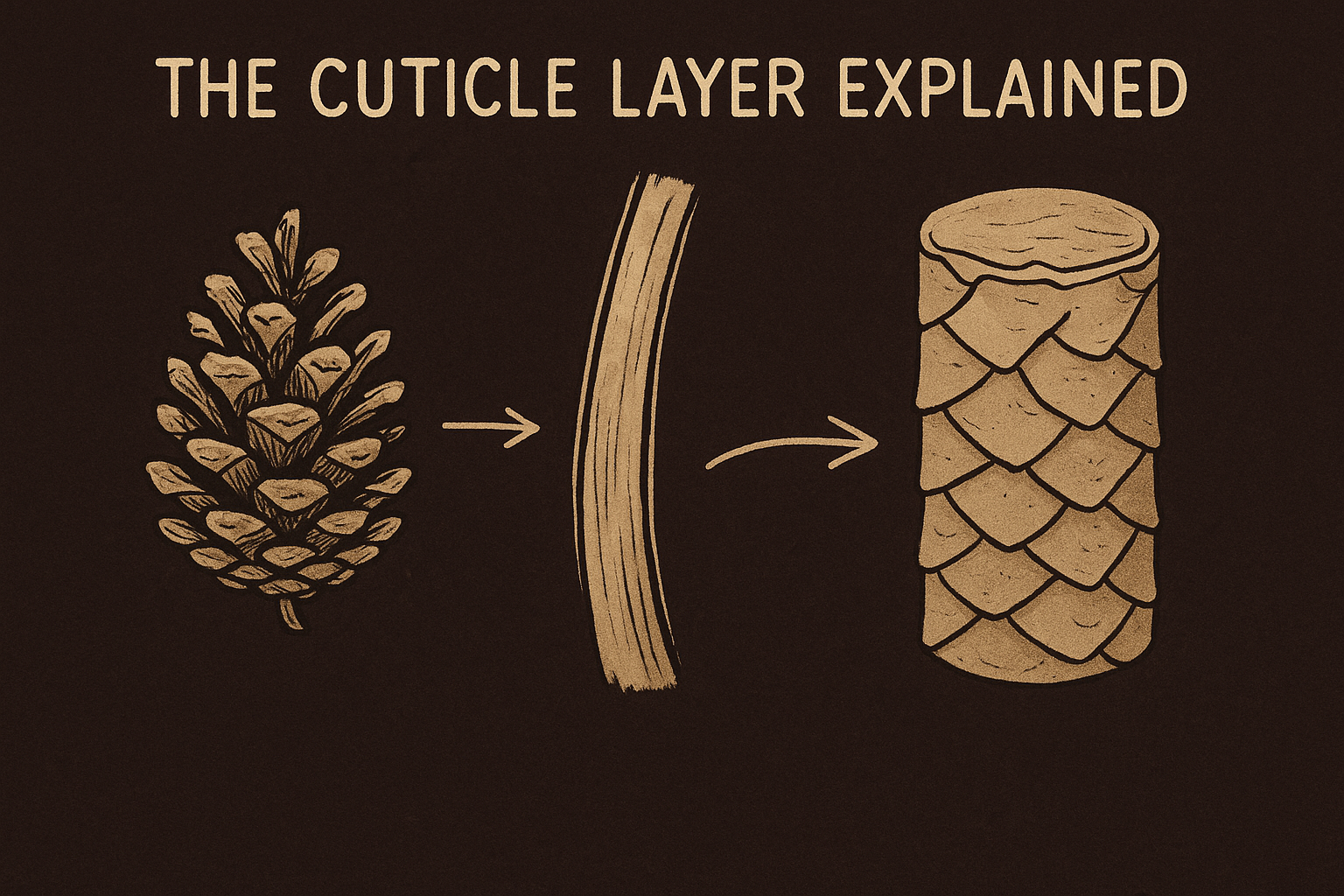
Healthy cuticles create a protective barrier that keeps your hair strong and prevents excessive moisture loss.
What opens and closes the cuticle
Temperature and pH levels directly affect your cuticle position. Hot water opens the cuticle, which is why you'll hear people recommend rinsing with cold water to seal it back down. Alkaline products (like some shampoos and chemical treatments) also force the cuticle open, while acidic products (like apple cider vinegar rinses) help close it. This is why your hair might feel different after swimming in a pool versus the ocean, or why a deep conditioning treatment with heat works better than one at room temperature.
Reading your hair's signals
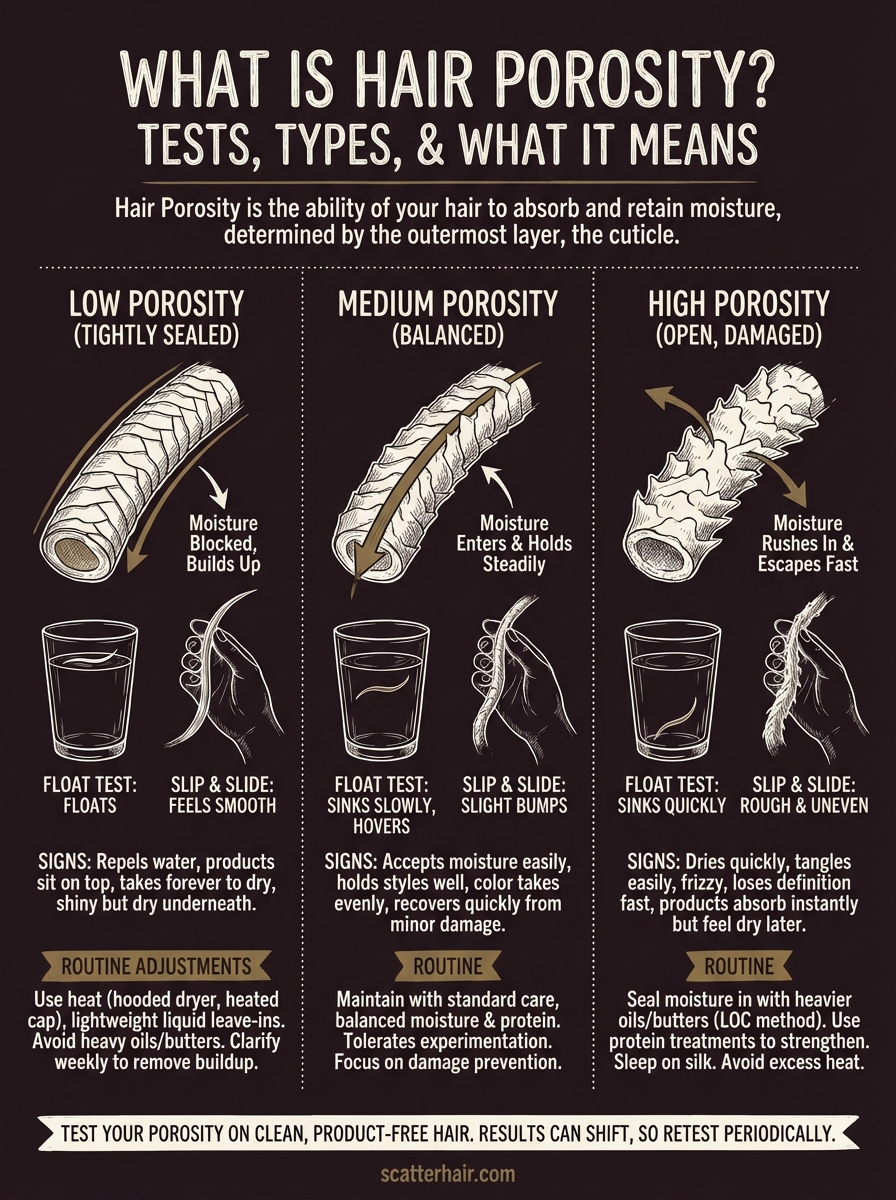
You can spot porosity clues without any tests. High porosity hair dries quickly, tangles easily, and looks frizzy even right after styling. It soaks up products fast but also loses moisture within hours. Low porosity hair takes forever to get wet in the shower, products sit on top instead of absorbing, and styles can last for days without much effort. Medium porosity hair falls somewhere in the middle, accepting moisture at a normal rate and holding styles reasonably well without constant touch-ups.
Why porosity changes how your hair behaves
Understanding what is hair porosity matters because it controls how your hair responds to everything you put on it. The cuticle's position determines whether products penetrate your strands or sit on the surface, whether moisture stays locked in or evaporates within hours, and why certain styling techniques work for some people but fail completely for others. Your porosity level acts like a gatekeeper for your hair, deciding what gets in, what stays out, and how long anything lasts once it's inside.
Product absorption and moisture retention
When you apply conditioner to high porosity hair, the raised cuticles let it sink in immediately, but those same open scales also allow moisture to escape just as fast. Your hair might feel soft right after conditioning, then turn dry and brittle by afternoon. Low porosity hair creates the opposite problem. Products pool on the surface because the tightly sealed cuticles block entry, leaving you with greasy-looking hair that still feels dry underneath. Medium porosity hair absorbs products at a normal rate and holds onto moisture for a reasonable amount of time without constant reapplication.
Your porosity determines whether your hair care routine works with your natural structure or fights against it.
Styling outcomes and damage patterns
Heat styling affects each porosity type differently. High porosity hair shows damage faster because the already-open cuticles lift even more under heat, leading to breakage and split ends. Low porosity hair resists styling changes initially but holds curls and straightened sections longer once you get them to set. This explains why your sister's beach waves last all week while yours fall out in two hours, even when you use the exact same products and tools.
The three porosity types and their signs
Each porosity category shows distinct patterns in how your hair looks, feels, and responds to products. Knowing where your hair falls on this spectrum helps you choose the right techniques and ingredients. Your porosity type isn't good or bad, it's just different, and each one needs a specific approach to look its best.
Low porosity hair
Your cuticles sit completely flat and tightly sealed, creating a smooth surface that repels water. Products build up on your strands instead of soaking in, and your hair takes forever to dry after washing. You'll notice water beading on the surface when you spray it, and deep conditioners seem to sit on top doing nothing. Heat helps products penetrate, but without it, your hair often looks shiny yet feels dry underneath.
Medium porosity hair
This balanced type accepts moisture at a normal, steady rate and holds onto it for decent periods. Your hair doesn't require extreme measures or complicated routines. Color treatments take evenly, styles hold without excessive product, and you can switch between different hair care approaches without major problems. Most people with undamaged, chemically untreated hair fall into this category.
Medium porosity hair maintains its health with standard care routines and recovers quickly from minor styling damage.
High porosity hair
Raised and damaged cuticles create gaps and openings that let moisture rush in and escape just as quickly. Your hair dries fast after washing, tangles constantly, and loses definition within hours of styling. Chemical treatments, heat damage, or environmental stress typically cause this condition. Products absorb instantly but your hair feels dry again by midday, and frizz appears even in low humidity.
How to test your hair porosity at home
You don't need a lab or expensive equipment to figure out what is hair porosity for your specific hair type. Three simple tests use items you already have around your house and take less than five minutes each. The most reliable results come from testing clean, product-free hair, so wash your hair without conditioner and let it dry completely before you start. These tests work best when you try at least two of them, since single-strand results can vary.
The float test
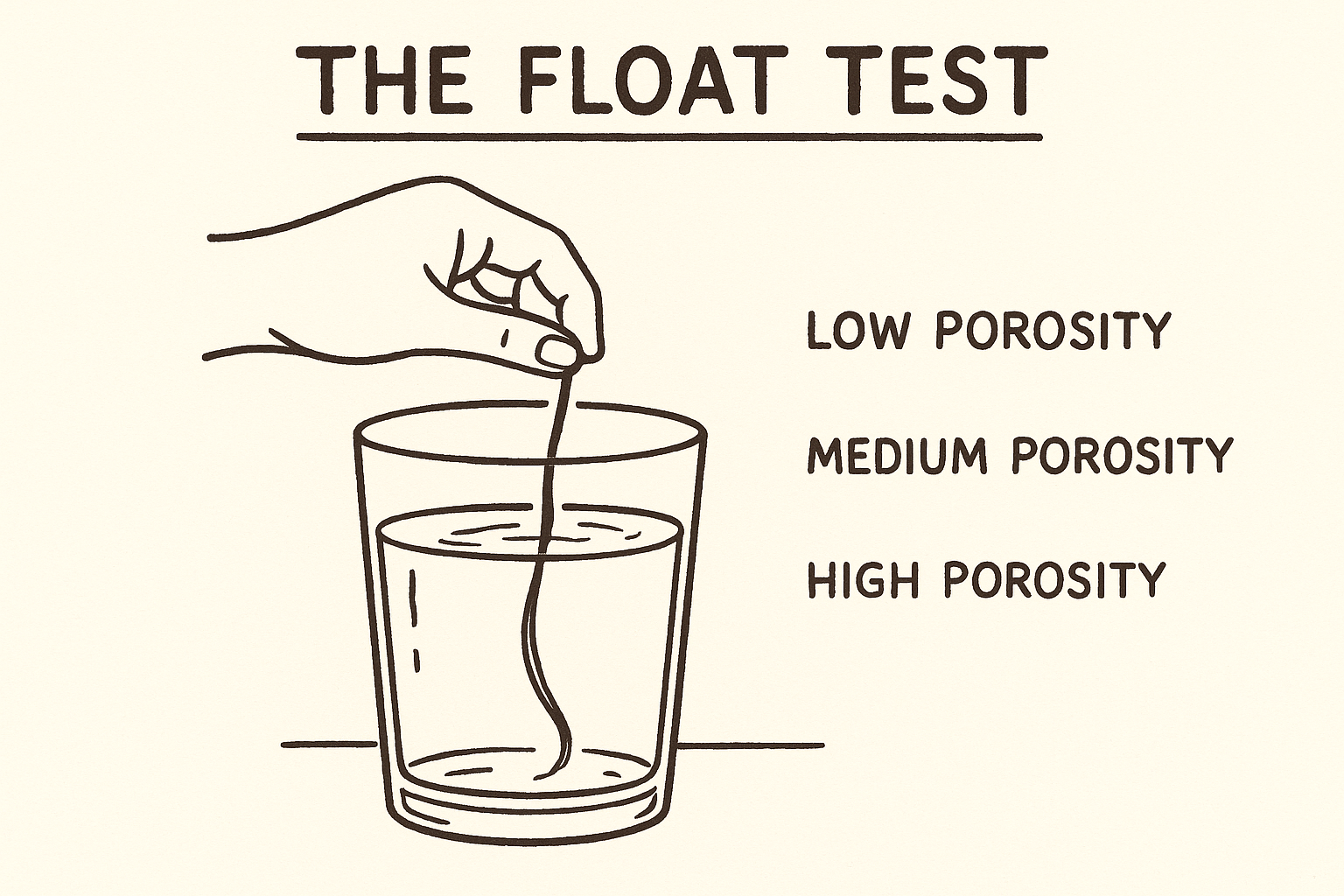
Fill a clear glass with room temperature water and pull a single clean strand from your hairbrush or comb. Drop the strand into the water and watch what happens over the next few minutes. Low porosity hair floats on the surface or sinks very slowly because the tight cuticles repel water. Medium porosity hair sinks gradually and hovers in the middle of the glass. High porosity hair drops to the bottom quickly as water rushes into the damaged cuticle openings.
The slip and slide test
Take a single strand of hair between your thumb and forefinger, then slide your fingers up the shaft from tip to root. Smooth, flat hair that feels like glass indicates low porosity. Hair that feels slightly bumpy but not rough shows medium porosity. Rough, uneven texture means you have high porosity, and you're feeling those raised cuticle scales as your fingers bump over them.
Testing multiple strands from different areas of your head gives you the most accurate picture of your overall porosity.
Checking product absorption speed
Spray a small section of dry hair with water and watch how quickly it absorbs. Low porosity hair makes water bead up and roll off the surface. Medium porosity absorbs water at a normal pace within seconds. High porosity hair soaks up moisture immediately, leaving the strand visibly wet with no beading whatsoever.
Build a routine for your porosity and texture
Once you know what is hair porosity for your hair, you need to adjust your entire routine to match those results. Your porosity type determines which products work, how often you need moisture, and which styling techniques give you the best outcomes. Texture adds another layer to consider, since coily hair and straight hair with the same porosity still need different approaches.
Low porosity routine adjustments
Your sealed cuticles need heat and lightweight products to function properly. Apply conditioner under a hooded dryer or with a heated cap to help ingredients penetrate those tight scales. Avoid heavy oils and butters that sit on your hair without absorbing, and instead use liquid leave-ins with humectants like glycerin. Clarify your hair weekly to remove buildup, since products accumulate quickly on your strand surface. Steam treatments work better than cold deep conditioning sessions because the heat temporarily opens your cuticles.
High porosity protective strategies
Focus on sealing moisture in rather than just adding more products. Layer a water-based leave-in first, then seal with heavier oils or butters to trap that moisture inside your damaged cuticles. Protein treatments strengthen your weakened hair structure and temporarily fill the gaps in your cuticle layer. Use the LOC method (liquid, oil, cream) for styling, and sleep on silk pillowcases to reduce friction damage overnight.
Protein helps rebuild the structure that chemical treatments and heat styling have stripped away.
Medium porosity maintenance
Your balanced hair tolerates experimentation without major consequences. Rotate between moisture and protein treatments based on how your hair feels rather than following a strict schedule. Standard products work fine, and you can switch techniques without worrying about extreme reactions. Focus on preventing damage rather than fixing existing problems.
Next steps for healthier hair
You now understand what is hair porosity and how it controls everything from product absorption to styling results. Your next move involves testing your own hair using the methods we covered, then adjusting your routine to match your specific porosity type. Start with one or two changes instead of overhauling everything at once, and give each adjustment at least two weeks before deciding if it works.
Track how your hair responds to different products and techniques by taking photos or keeping simple notes. Your porosity can shift over time due to chemical treatments, heat damage, or environmental factors, so retest every few months if you notice changes in how your hair behaves.
Ready to simplify your textured hair routine? Scatter is launching in 2026 with styling products designed specifically for textured hair that works with your natural structure. Join our community now for early access and exclusive styling guides.