

Signs Of High Porosity Hair: 10 Telltale Clues + Tests
Your hair drinks up product like it's been wandering the desert for days. It dries faster than you can blink. And no matter what you do, frizz seems to follow you everywhere. Sound familiar? These could be signs of high porosity hair, and understanding them changes everything about how you care for your texture.
High porosity hair has cuticles that are raised or damaged, creating gaps that let moisture rush in and escape just as quickly. For those of us with textured hair, this can make styling feel like an uphill battle. Products disappear into your strands without delivering results, and that definition you worked so hard for fades by lunchtime.
At scatterhair, we're building styling products specifically for textured hair that actually performs, because we get it. But before you can find what works, you need to know what you're working with. This guide breaks down the 10 telltale clues that indicate high porosity, plus simple tests you can do at home. By the end, you'll have a clear picture of your hair's porosity and the knowledge to finally work with it, not against it.
What high porosity hair means
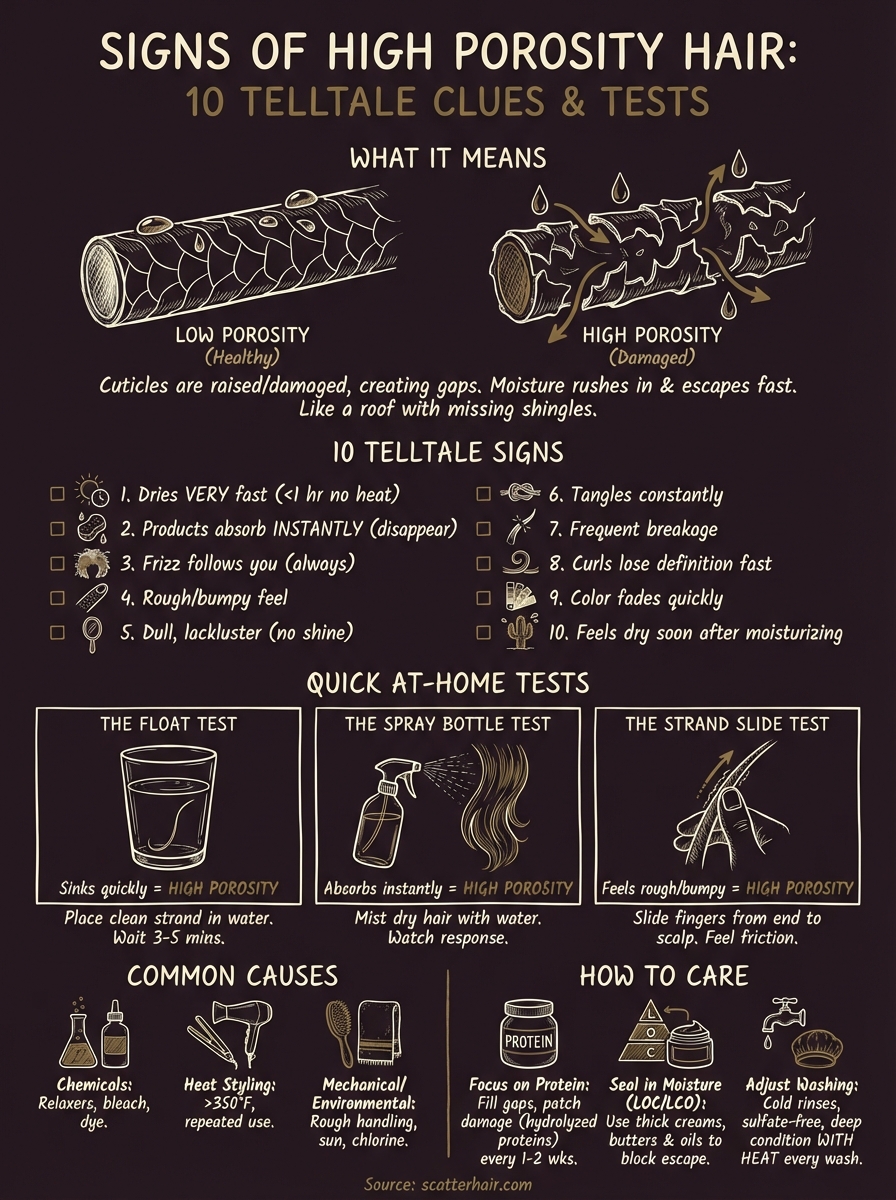
Hair porosity describes how easily moisture passes through your hair's outermost layer, known as the cuticle. Think of your hair strand like a roof covered in shingles. When those shingles lie flat and smooth, water has a hard time getting in or out. But when they're lifted, cracked, or missing entirely, water flows through freely in both directions. High porosity hair has cuticles that stay raised or damaged, creating openings that allow moisture to enter and escape without much resistance.
The structure of your hair cuticle
Your hair cuticle consists of overlapping protective scales that wrap around the inner cortex of each strand. In healthy, low porosity hair, these scales lie flat and tight against the shaft, creating a barrier that controls moisture flow. The cuticle acts like a gatekeeper, determining what gets in and what stays out. When you look at high porosity hair under a microscope, you see gaps, chips, and raised sections where these protective scales no longer align properly. These openings allow water, product, and even environmental pollutants to penetrate the hair shaft rapidly.
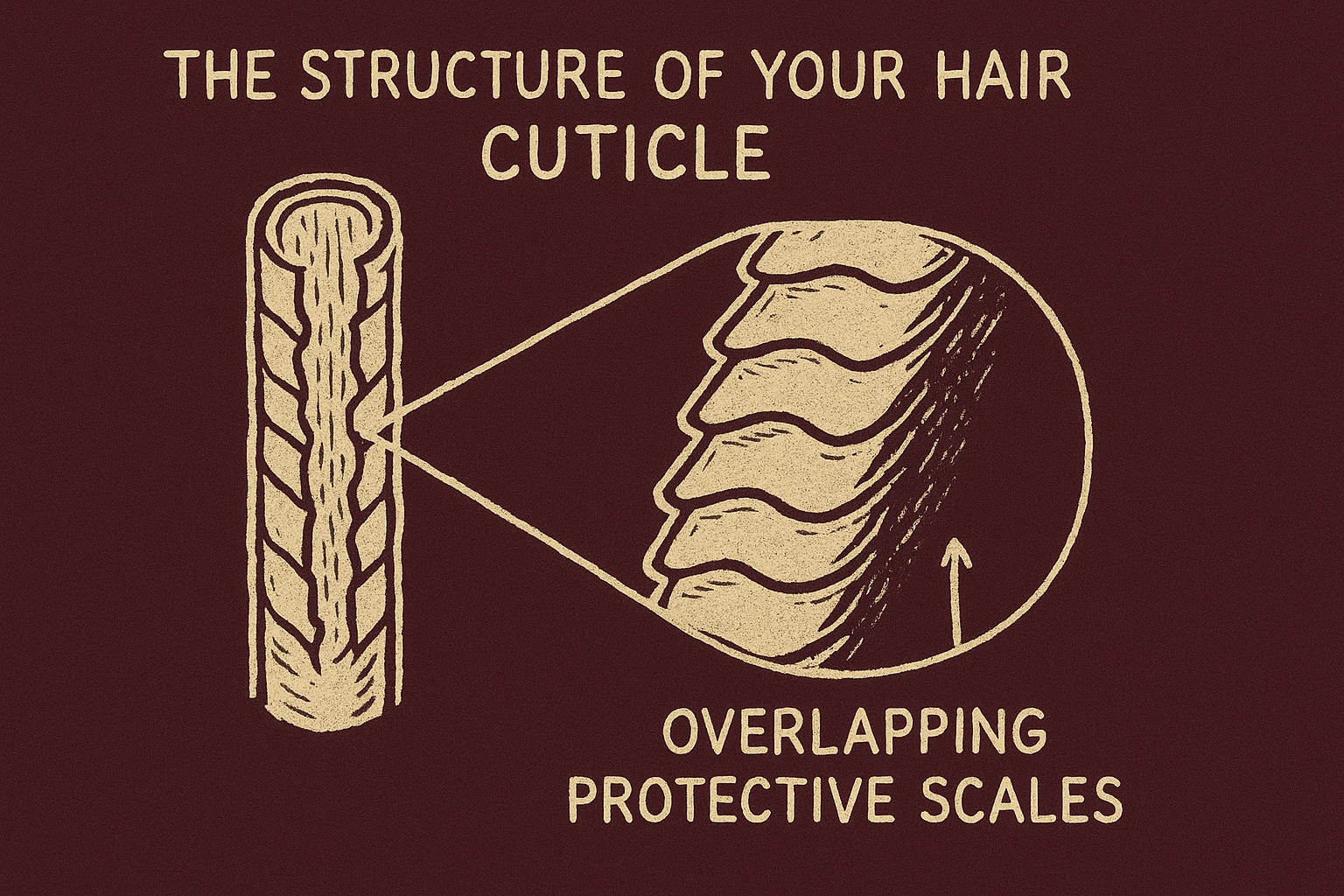
High porosity hair has cuticles that function more like open doors than locked gates, making moisture management your biggest challenge.
Your cuticle's condition directly impacts how your hair looks and behaves on a daily basis. Smooth, closed cuticles reflect light evenly, giving hair shine and a polished appearance. Raised, damaged cuticles scatter light in multiple directions, creating a dull, lackluster finish that no amount of product seems to fix. This structural difference explains why high porosity hair often looks dry even when you've just applied moisturizer.
How porosity levels differ
Low porosity hair has tightly closed cuticles that resist moisture penetration. Products sit on top of the hair instead of absorbing, and it takes forever to get your strands fully wet in the shower. This hair type needs heat or steam to open those stubborn cuticles and let moisture in. Medium porosity hair represents the sweet spot, with cuticles that open and close as needed, maintaining moisture balance naturally.
High porosity hair operates at the opposite extreme. Your cuticles stay open most of the time, meaning moisture rushes in without any resistance. But this easy entry comes with a cost. The same gaps that let moisture in also let it escape just as quickly, leaving your hair perpetually thirsty no matter how much you moisturize. Products absorb almost instantly, disappearing into your strands without leaving much behind.
What creates those gaps
High porosity can occur naturally, particularly in coily and kinky hair textures where the hair shaft has more bends and curves. Each twist and turn in your natural curl pattern creates stress points where cuticles are more likely to lift or separate. But damage is the more common culprit. Chemical processing from relaxers, permanent color, or bleach strips away protective layers and weakens the cuticle structure.
Heat styling tools, rough handling, and environmental factors also contribute to the gradual breakdown of your cuticles. Every time you blow-dry on high heat, brush aggressively, or expose your hair to chlorine or salt water, you chip away at those protective scales. Over time, these repeated assaults transform even naturally low porosity hair into high porosity strands. Understanding these signs of high porosity hair helps you identify the damage before it becomes irreversible and adjust your routine accordingly.
Why porosity matters for textured hair
Understanding your porosity level transforms how you approach every step of your hair routine. For textured hair specifically, porosity determines whether products actually work or just drain your wallet. Coils, curls, and waves already face unique challenges with moisture distribution due to their shape, and high porosity compounds these issues. When you know your porosity, you stop wasting time on techniques and products that were never designed for your hair's needs.
Product performance and waste
High porosity hair absorbs products at lightning speed, which sounds beneficial until you realize your expensive leave-in conditioner disappears without delivering results. You apply what seems like enough product, but within hours your hair feels dry again. This rapid absorption means you burn through bottles faster than friends with low porosity hair, spending significantly more money for less visible improvement. Your styling creams, oils, and moisturizers sink into those gaps in your cuticle, but they escape just as quickly through the same openings. Recognizing the signs of high porosity hair helps you shift to heavier, protein-rich formulas that actually stick around.
Style retention challenges
Your curl definition looks perfect right after styling, then falls apart by midday. High porosity hair struggles to maintain styles because moisture levels fluctuate wildly throughout the day. When humidity hits, your open cuticles absorb environmental moisture like a sponge, causing frizz and expansion that destroys your carefully crafted twist-out or wash-and-go. In dry conditions, moisture escapes through those same gaps, leaving your hair shriveled and undefined. This constant battle with environmental factors makes consistent styling nearly impossible without understanding how to seal and protect your vulnerable cuticles.
Porosity determines whether your textured hair thrives or just survives, making it the foundation of any effective care routine.
Damage prevention
Ignoring porosity while caring for textured hair accelerates damage you might otherwise avoid. When you treat high porosity hair like low porosity hair, applying heat without proper protection or skipping protein treatments, you widen those existing gaps in your cuticle. Each wash, detangling session, and styling attempt becomes an opportunity for more breakage. Your hair weakens progressively because the wrong products and techniques fail to reinforce what your cuticles need most. Understanding porosity lets you intercept this damage cycle before it turns manageable high porosity into severely compromised hair that refuses to retain any length or health.
10 telltale signs of high porosity hair
Your hair tells you everything you need to know about its porosity level if you know what to look for. These signs of high porosity hair show up in how your strands behave during styling, how they feel to the touch, and how they respond to products. You might notice one or two of these characteristics, or your hair might check every box on this list. Either way, recognizing these patterns helps you adjust your routine to work with your hair's reality instead of fighting against it.
Moisture behavior clues
Your hair dries faster than anyone else's after washing, sometimes within 30 minutes to an hour without heat. This quick drying happens because those open cuticles allow water to evaporate rapidly through all those gaps. Products disappear into your strands the moment you apply them, absorbing so quickly that you struggle to distribute them evenly before they vanish. When you spray your hair with water or apply a leave-in, your strands soak it up instantly like a thirsty sponge, but that moisture escapes just as fast. Your hair feels dry again within hours of moisturizing, requiring constant reapplication throughout the day just to maintain basic hydration.
Texture and appearance indicators
Frizz follows you everywhere, regardless of humidity levels or how much anti-frizz product you use. Your hair surface feels rough and bumpy when you run your fingers down the shaft, rather than smooth and sleek. Shine eludes you completely, with your strands looking dull and lackluster even right after conditioning. This happens because raised cuticles scatter light instead of reflecting it evenly. Your hair may also feel straw-like or brittle to the touch, lacking the softness and elasticity that indicates healthy cuticles. Color fades faster than expected if you dye your hair, and your natural shade might appear lighter or more faded at the ends compared to new growth.
Open cuticles create a cascade of visible symptoms that make high porosity hair immediately identifiable once you know what you're looking for.
Structural warning signs
Tangles form constantly, even on freshly detangled hair, because rough cuticles snag and catch on each other. You experience frequent breakage, noticing short broken strands in your hands after detangling or styling. Your curl pattern loses definition rapidly after styling, with well-formed curls falling flat or becoming undefined by afternoon. Strands feel weak and stretchy when wet, sometimes breaking with minimal tension during the detangling process.
Quick at-home tests to confirm porosity
You can stop guessing about your porosity level and get concrete answers using simple tests that require nothing more than items you already have at home. These tests take only a few minutes and provide clear indicators of whether you're dealing with high porosity hair. While these signs of high porosity hair give you strong clues, running these tests removes any remaining doubt and helps you make informed decisions about your hair care routine.
The float test
Fill a clear glass with room temperature water and let it sit for a few minutes until the water becomes completely still. Take a clean strand of hair from your brush or comb, making sure it has no product buildup or oils on it. Gently place the strand on the water's surface and wait three to five minutes without disturbing the glass.
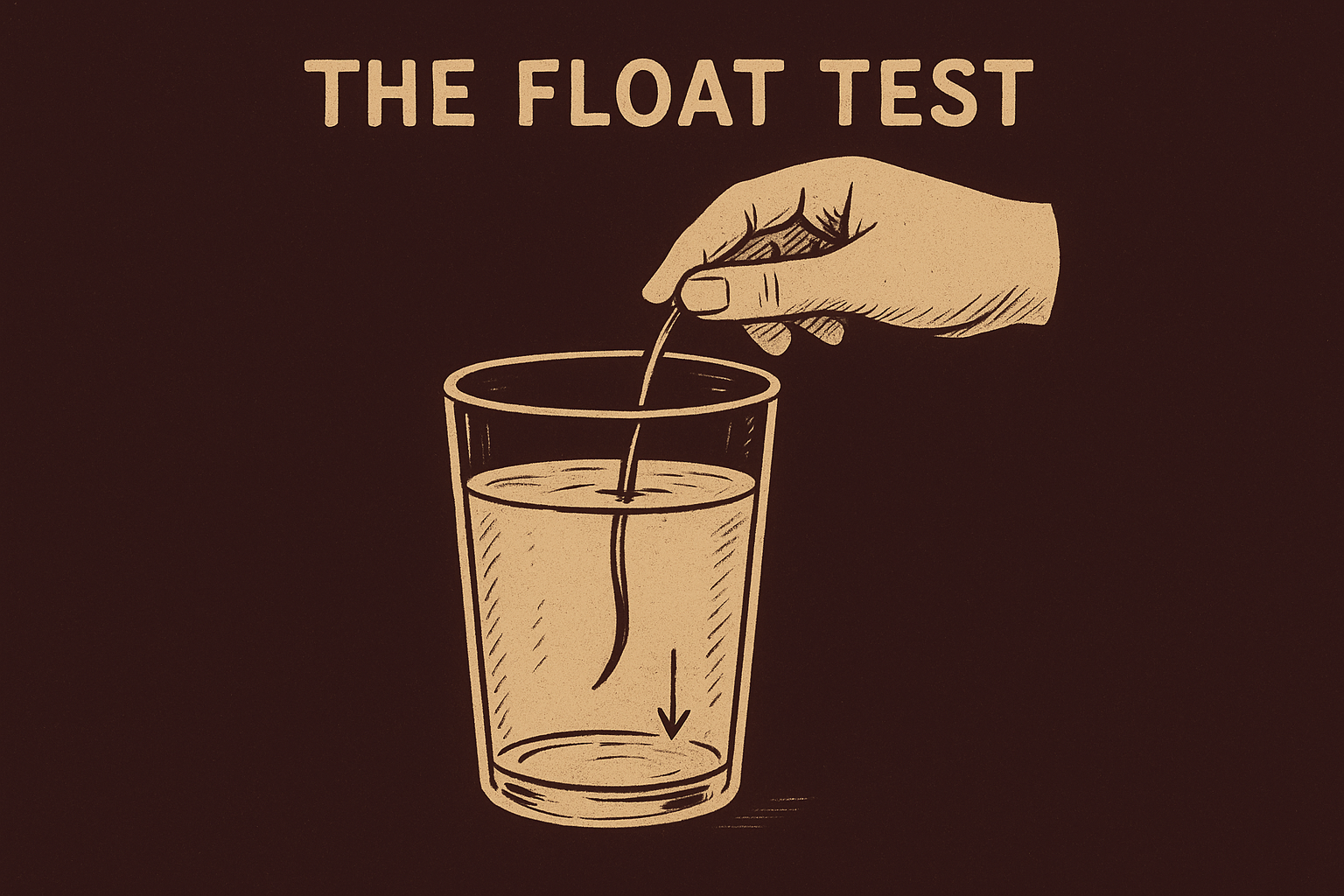
High porosity hair sinks to the bottom quickly, often within the first minute or two. This happens because water rushes through those open cuticles, weighing down the strand immediately. Low porosity hair floats on the surface, resisting water penetration. Medium porosity hair settles somewhere in the middle of the glass. If your strand drops like a stone, you've confirmed high porosity and can adjust your product selection accordingly.
The spray bottle test
Mist a section of clean, dry hair with plain water from a spray bottle and watch what happens in the first 30 seconds. High porosity hair absorbs the water almost instantly, with the mist disappearing into your strands without beading up on the surface. The section looks and feels wet immediately, but that moisture doesn't last long.
The faster water penetrates your hair, the more open your cuticles are and the higher your porosity level.
Low porosity hair shows water beads sitting on top of the strands, taking several minutes to absorb. This test reveals how your cuticles respond to moisture in real time, giving you immediate visual confirmation of your porosity status.
The strand slide test
Take a single strand of hair and hold it taut between your fingers. Run your thumb and forefinger from the end of the strand up toward your scalp, moving against the direction of growth. High porosity hair feels bumpy and rough during this test because your fingers catch on all those raised cuticles. You might feel the strand actually resist your movement, creating friction as your skin drags across the damaged surface.
Smooth, healthy cuticles create minimal friction, letting your fingers glide easily along the shaft. This tactile test helps you feel the physical evidence of cuticle damage that creates high porosity.
Common causes of high porosity hair
Your cuticles don't just wake up one day and decide to stay open. High porosity develops over time through specific actions and exposures that gradually chip away at your hair's protective outer layer. Some people are born with naturally porous hair, particularly those with tightly coiled textures, but most high porosity results from damage you can actually trace back to identifiable causes. Understanding what created your current porosity level helps you avoid making the same mistakes moving forward and prevent further deterioration.
Chemical processing and color treatments
Relaxers, perms, and permanent hair dye work by breaking down the protein bonds in your hair shaft, which means they intentionally damage your cuticle structure to achieve their effects. These chemicals lift and separate cuticle scales to penetrate deep into the cortex, leaving behind gaps and rough patches long after the treatment. Bleach causes even more severe damage by stripping away melanin and protein simultaneously, which creates holes and weak spots throughout your cuticle layer. Each chemical service compounds existing damage, transforming even naturally low porosity hair into highly porous strands over time. The signs of high porosity hair often appear most dramatically in previously relaxed or color-treated sections, where chemical exposure has been most intense.
Heat styling damage
Blow dryers, flat irons, and curling wands apply temperatures that literally cook the protein structure of your cuticles when used repeatedly without proper protection. Heat above 350°F causes immediate cuticle damage, while lower temperatures create gradual deterioration through repeated exposure. Your cuticles bubble, crack, and lift away from the hair shaft under sustained high heat, creating the same porous structure that chemicals produce.
Thermal damage accumulates silently with each styling session until your hair suddenly refuses to hold moisture no matter what you do.
Daily heat styling without heat protectant spray accelerates this breakdown, turning healthy hair into severely compromised strands within months of consistent use.
Mechanical damage and environmental factors
Rough towel drying, aggressive brushing, and tight hairstyles physically tear and lift your cuticles through friction and tension. Cotton pillowcases create nightly abrasion that roughens your cuticle surface over months of sleeping. UV exposure from the sun degrades protein bonds in your hair just like it damages your skin, while chlorine and salt water strip away natural oils that protect cuticles from staying raised. Even hard water minerals build up on your strands, creating additional roughness that prevents cuticles from lying flat.
How to care for high porosity hair
Once you've identified the signs of high porosity hair, you need a care strategy that addresses your cuticles' unique vulnerability. Standard routines designed for normal porosity hair won't work because your strands require methods that both fill the gaps in your cuticles and prevent moisture from escaping. This means rethinking every step from washing to styling, with a focus on rebuilding strength and creating barriers that trap hydration inside your hair shaft.
Focus on protein treatments
Protein fills the holes and gaps in your damaged cuticles, temporarily patching the structural damage that creates high porosity. You need regular protein treatments every one to two weeks to maintain this reinforcement, using products with hydrolyzed proteins that penetrate deep into your hair shaft. Look for ingredients like hydrolyzed wheat protein, silk amino acids, or keratin in your deep conditioners and leave-in treatments. Balance is critical because too much protein makes hair stiff and brittle, while too little leaves those gaps wide open. Pay attention to how your hair responds after each treatment and adjust frequency based on whether your strands feel stronger or more fragile.
Seal in moisture with the right products
Your cuticles need heavier products that create a physical barrier preventing moisture escape. Switch from lightweight lotions to thick creams, butters, and oils that coat your hair shaft rather than just absorbing instantly. The LOC method (liquid, oil, cream) or LCO method works particularly well for high porosity hair because each layer traps the previous one underneath, building up protection against moisture loss. Apply products to soaking wet hair immediately after washing, when your cuticles are most open and receptive. Finish with a oil blend containing castor oil, coconut oil, or shea butter to lock everything in place.
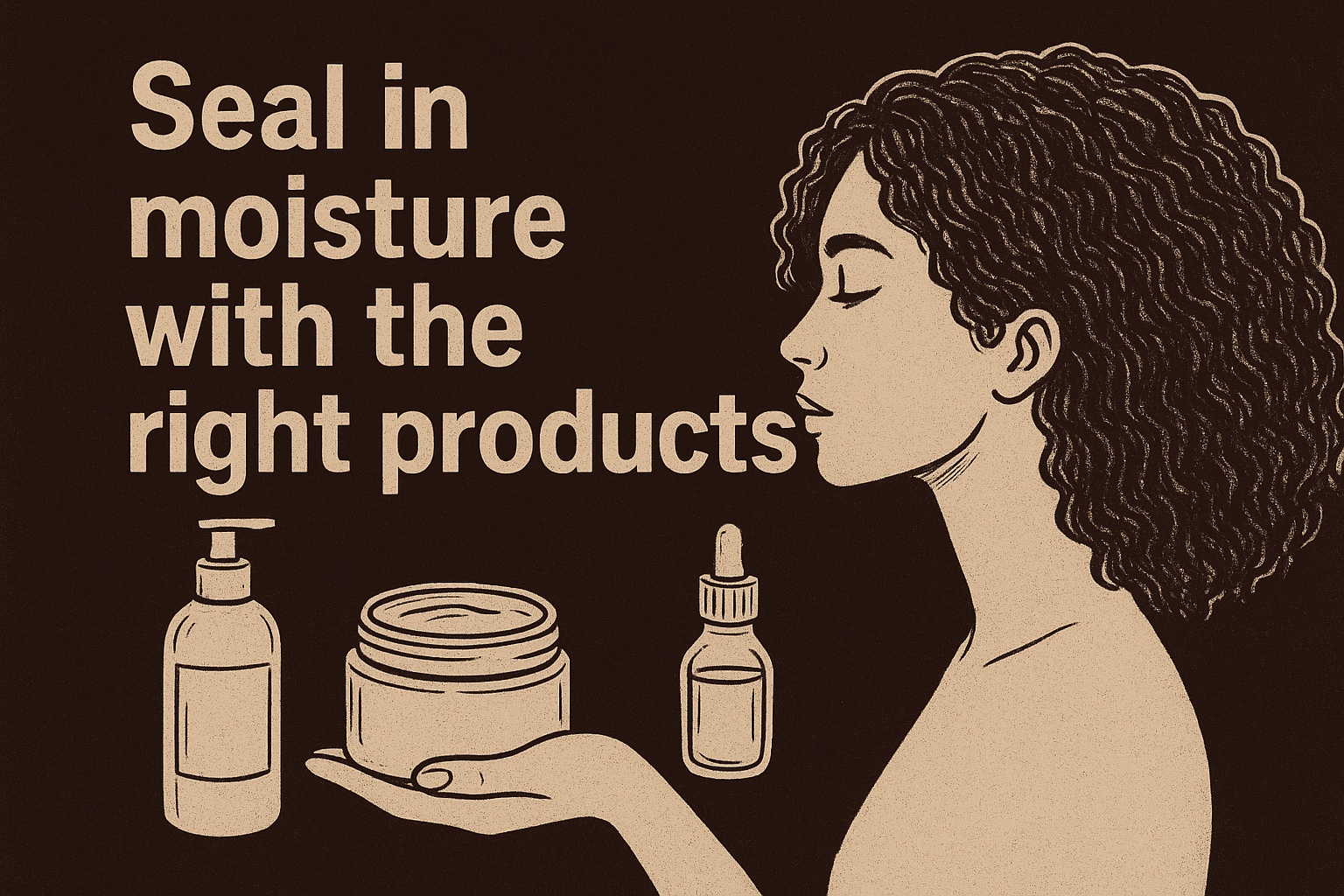
High porosity hair demands products that function as sealants, not just moisturizers, to counteract your cuticles' tendency to release everything you apply.
Adjust your washing routine
Cold water rinses close your cuticles as much as possible after conditioning, helping trap moisture inside before it can evaporate. Reduce wash frequency to once per week or less because every wash cycle opens your cuticles wider and strips away protective sebum. Use sulfate-free shampoos or co-wash products that clean without harsh detergents that further damage vulnerable cuticles. Deep condition with heat every single wash day, using a processing cap or hooded dryer to help products penetrate those gaps more effectively before sealing them shut with cold water.
Your next steps
Recognizing the signs of high porosity hair gives you the power to finally stop fighting your texture and start working with it. You now know what to look for, how to test your porosity at home, and which care strategies actually address your cuticles' specific needs. The difference between struggling daily and achieving consistent results comes down to understanding these fundamentals and applying them to your unique hair reality.
Your routine needs products formulated specifically for high porosity textured hair, designed to seal moisture in and rebuild strength where damage has occurred. At scatterhair, we're developing styling solutions that actually perform for people with textured hair because we understand the challenges you face. While you wait for our 2026 launch, apply what you've learned here about protein treatments, moisture sealing, and protective styling. Your hair will respond when you give it what it needs instead of what marketing tells you to buy.